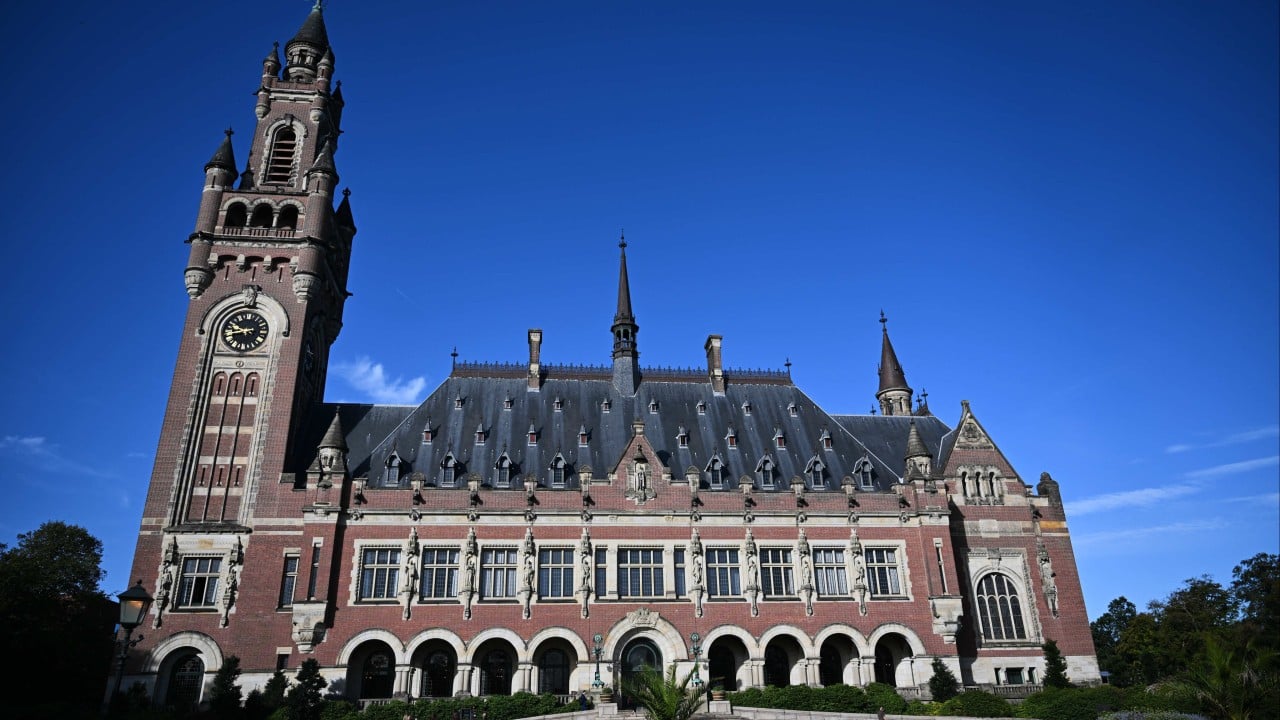
International law is often viewed as a toothless tiger. Nations break treaties, ignore human rights conventions, and face little more than sternly worded letters from the United Nations. But every once in a while, a legal challenge punches right through diplomatic immunity. Nicaragua has taken Berlin to task at the highest international court, arguing that Germany's arms exports make it an active accomplice in the ongoing humanitarian catastrophe in Gaza.
Most people don't realize how international courts actually work. They assume it is like a local criminal trial where police drag suspects away in handcuffs. It is not. The International Court of Justice relies entirely on states choosing to respect its authority. When Nicaragua brought its case, Berlin did not just sit back. They pushed hard to get the entire lawsuit thrown out, claiming the court lacked jurisdiction. Yet the legal battle rumbles on, highlighting a deeply uncomfortable truth about modern foreign policy and military supply chains.
The Core Argument Behind The Lawsuit
At the heart of this legal showdown sits the 1948 Genocide Convention. Nicaragua argues that Germany has breached international law by supplying weapons and military equipment to Israel while knowing full well how those arms are being deployed. It is not just about a simple trade agreement. It is about state accountability.
Think about how global supply chains operate. A country manufactures tank parts, artillery shells, or communications gear. They ship them off to an ally. Job done, right? Not under international humanitarian law. If you supply the tools used to violate fundamental conventions, you share the legal exposure. Nicaragua's legal team has hammered this point home in The Hague, presenting arguments that put Berlin's foreign ministry on the defensive.
Germany's counter-strategy is straightforward. Berlin insists its arms exports undergo rigorous legal checks. They claim every single export license is vetted to ensure compliance with human rights standards. They also argue that Nicaragua's claims have no factual basis and that the court has no business meddling in their bilateral security partnerships.
Why This Case Matters Beyond Berlin and Managua
You might wonder why a Central American nation is challenging a European powerhouse over a Middle Eastern conflict. Geopolitics is rarely about geography anymore. It is about setting global precedents.
If the International Court of Justice entertains or upholds parts of Nicaragua's argument, it changes the rules of engagement for every arms exporter on the planet. Western nations that routinely supply military hardware to allies involved in intense conflicts will face an uphill battle. Suddenly, domestic courts and international bodies could hold governments liable for downstream actions taken by third-party militaries.
Here is what most mainstream reports gloss over. This case exposes the hypocrisy in how international law is applied. Powerful nations often lecture smaller countries on human rights while simultaneously profiting from lucrative defense contracts. When a smaller state like Nicaragua uses the exact legal architecture built by Western powers to challenge those very powers, it creates a fascinating constitutional crisis in international diplomacy.
What Happens Next in International Courts
Legal battles of this magnitude take years. Judges must parse through thousands of pages of briefs, listen to endless oral arguments from high-priced international lawyers, and decide whether they even have the legal standing to issue binding orders.
Berlin wants the case dismissed on technicalities. Nicaragua wants a court-ordered halt to military shipments and a formal acknowledgment of legal breaches. Even if the court issues provisional measures rather than a final verdict, the reputational damage to Germany's self-image as a champion of human rights is already substantial.
Watch how other European capitals react. If Berlin stumbles in this legal arena, expect other governments facing similar domestic pressure over weapons shipments to review their export policies very carefully. International law may move slowly, but the shockwaves from this case are already altering how nations handle military trade.
Nicaragua accuses Germany of legal "violations" in Gaza genocide case
This video provides direct coverage and visual context from the international proceedings regarding Nicaragua's legal challenge against Germany.
http://googleusercontent.com/youtube_content/1