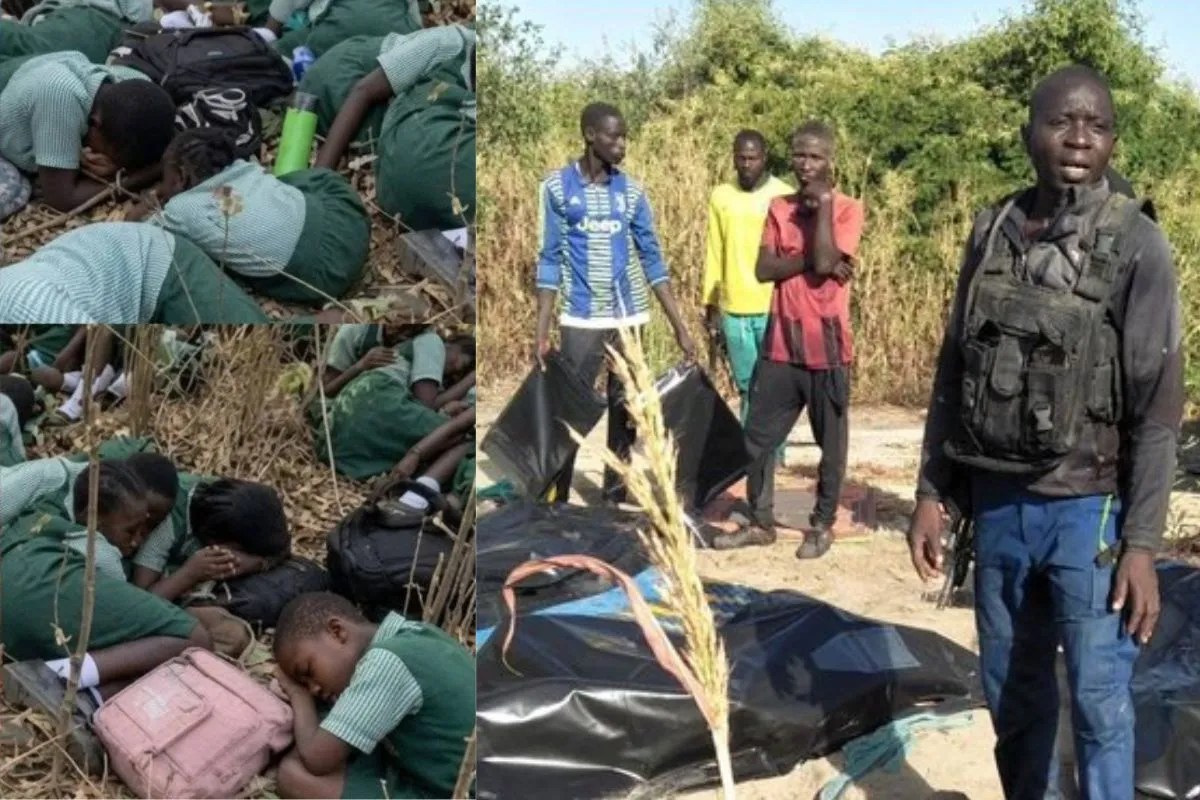
When entire generations vanish before dawn, official reports rarely capture the quiet devastation left behind in the dust. In northeastern Nigeria's Borno state, families aren't just reading about a security collapse—they're living through an endless nightmare where children disappear from classrooms, roads turn into traps, and survival means auctioning off your life's savings just to bring a loved one home.
If you think this is just another distant headline about regional conflict, you're missing the human tragedy unfolding right now. Let's look at what's actually happening on the ground in Borno, why the ransom crisis is spiraling out of control, and why standard political responses are failing.
The Financial Ruin of Ransom Demands
When armed groups snatch a family member in Borno, the nightmare doesn't end with a ransom note. It begins an agonizing race against absolute poverty. Families who’ve spent decades building a modest life find themselves stripped of everything overnight.
Think about Moussa Abdullahi Wakawa's ordeal, documented by Al Jazeera. Finding out that his wife and seven-year-old son had been abducted meant facing an impossible ultimatum. People aren't just borrowing money from friendly neighbors anymore. They're selling cattle, liquidating family land, and watching generational assets vanish in a single transaction.
When you're forced to choose between feeding your remaining children or paying ruthless captors to release your spouse, every economic calculation changes. The kidnapping economy in Nigeria has weaponized parental love, turning everyday households into desperate traders liquidating their entire existence.
Classrooms Under Siege
Education used to be a beacon of hope in conflict-ridden regions. Now, schools have become prime targets. In Borno's Askira-Uba district, out of 113 primary schools, barely half remain operational.
Consider the sheer scale of disruption:
- When attacks hit local institutions, dozens of students vanish into the bush.
- Government records acknowledge dozens of children still unaccounted for after targeted raids.
- In places like Lasa, government school facilities were ambushed while students sat for exams, leaving dozens of children and teachers trapped in captivity.
You can't talk about a future for northeastern Nigeria when going to school requires surviving a military-style ambush. Parents now weigh the value of basic literacy against the very real possibility that their child won't return from the morning bell.
The Numbers Behind the Fear
Statistics often sanitize suffering, but the sheer volume of abductions points to a systemic breakdown. Amnesty International data highlights that hundreds of individuals vanish across Nigeria within just a few months.
Take Laraba Dauda’s story. Her sister was grabbed along the Biu-Buratai road, managing only a brief, tear-soaked phone call from the bushes before silence swallowed her up. Months pass by with zero official updates, zero definitive answers, and a family left suspended in perpetual grief.
When intelligence networks and local security fail to secure major transit routes, ordinary citizens become sitting ducks. The psychological toll of not knowing whether your relative is alive, injured, or hidden in a remote camp destroys communities from the inside out.
Why Current Strategies Fall Short
Deploying security personnel around isolated schools or posting guards along major highways feels like putting a band-aid on a gaping wound. The structural drivers of these mass kidnappings—impunity, porous borders, and a lucrative multi-million-dollar ransom market—require aggressive, systemic dismantling.
If local authorities don't choke off the financial pipelines feeding these criminal networks, families will keep paying the price with their cattle, land, and sanity. Security isn't just about presence; it's about deterrence and recovery speed. Right now, victims are waiting months for breakthroughs that rarely come.
The crisis in Borno demands more than sympathetic statements from distant capitals. It demands an unyielding crackdown on the kidnapping syndicates profiting off human misery. Until local families can send their kids to school or travel down local roads without looking over their shoulders, the shadow of fear will continue to dictate everyday life in northern Nigeria.