The global mountaineering community woke up to the devastating confirmation that legendary Nepali-British climber Nirmal "Nimsdai" Purja lost his life in an avalanche on Pakistan's Broad Peak. He was 43 years old. What started as a late-season pivot to tick off another summit turned into a catastrophe when an unexpected wall of snow swept through the 8,051-metre Karakoram giant, trapping an expedition of ten climbers. Elite Exped, the adventure company Purja co-founded, officially confirmed that neither Purja nor the other members of the climbing team survived the disaster.
If you followed his career, you know Nimsdai wasn't just another commercial guide. He rewrote what humans thought possible at extreme altitudes. His sudden death on the world's 12th-highest mountain forces a harsh, uncomfortable reckoning about risk, ego, and the lethal reality of the death zone.
The Broad Peak Tragedy Unfolds
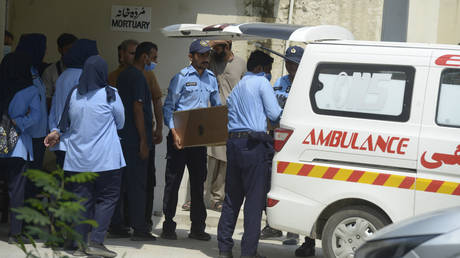
The disaster struck around midday on Thursday, cutting off all communication between the base camp and the elite team pushing between camps two and three. GPS trackers worn by the climbers showed a sudden, catastrophic loss of altitude as the avalanche ripped down the mountain's west ridge.
Bad weather immediately hampered initial rescue efforts. Pakistani military helicopters and veteran local rescue teams scrambled as soon as skies cleared slightly, eventually locating multiple bodies. Alongside Purja, the expedition lost trusted guides and climbing partners, including Pur Bahadur Gurung (Yukta) and Nima Sherpa, as well as international clients like Omani trailblazer Nadhira Al Harthy and American climber Mallory Geis.
Broad Peak is close neighbors with K2 in the Karakoram range. While tourists often underestimate it compared to its brutal neighbor, anyone who has actually stepped foot on its slopes knows its long, exposed ridges and unpredictable weather make it a silent killer.
Beyond Project Possible
To understand why this loss hits the climbing world so hard, you have to look past the headlines and look at his resume. In 2019, Purja completed "Project Possible," summiting all 14 of the world's peaks above 8,000 metres in just six months and six days. He shattered a record that previously took competitors over seven years to achieve. Netflix immortalized the feat in 14 Peaks: Nothing Is Impossible, turning a former British Gurkha and Special Boat Service (SBS) veteran into a household name.
Before he left for Pakistan, Purja revealed his final, staggering goal on social media. He hadn't even planned on climbing Broad Peak originally. He was in the region to tackle Gasherbrum II, but ran the numbers on his historic logbook. If he bagged Broad Peak and later completed Cho Oyu, he would become the first human in history to scale all 14 eight-thousanders twice without supplemental oxygen.
Critics often debated his commercialization of high-altitude peaks or his rapid ascent styles. But nobody could ever question his sheer physical capacity or his tactical survival instincts honed through years of elite military service. When he saw others in trouble on Everest, he routinely gave up his own oxygen bottles to drag strangers off the mountain. He lived by a code where human life always outweighed summit ego.
The Brutal Reality of High Altitude Risk
People sitting at home often wonder why veterans like Purja keep climbing once they have nothing left to prove. The truth is simple. Extreme athletes don't stop breathing the air of the high mountains just because they check boxes. The risk is the environment itself. Climate shifts, warming temperatures, and increasingly volatile weather windows have turned standard Himalayan and Karakoram routes into ticking time bombs.
Avalanches do not care about your Netflix documentary. They don't care how many medals you won in the special forces, or how many speed records you hold. At 7,000 metres, physics dictates the outcome. When a massive snow slab lets go, even the most experienced mountaineer on earth is reduced to a passenger.
Tributes have flooded in from world leaders, fellow adventurers like Bear Grylls, and fans across the globe. Nepal Prime Minister Balendra Shah noted that while physical journeys have their limits, the footprint of true courage stays carved into history.
We are left staring at a massive void in modern mountaineering. Nimsdai spent his entire public life trying to convince everyday people that their own metaphorical mountains were climbable. As the recovery operations wind down in the harsh Karakoram snow, his message remains the final takeaway from a life lived entirely without brakes. Dream bigger, push past your perceived limits, but never forget that the mountain always gets the final say.