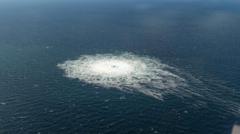
When the Nord Stream pipelines ruptured under the Baltic Sea in September 2022, it felt like the opening salvo of a new, terrifying era of infrastructure warfare. For years, Western intelligence agencies whispered about state actors, high-tech submarines, and deep-sea military operations. Everyone pointed fingers at Russia. Russia pointed fingers back.
But truth has a funny habit of tracking back to the most unexpected places.
German federal prosecutors just completely flipped the script. They officially indicted Serhii Kuznietsov, a Ukrainian national and former soldier, accusing him of masterminding the entire underwater sabotage team. It isn't just a standard property damage charge either. Germany is prosecuting this as a bona fide war crime.
If you think this is just another dry legal update, you're missing the bigger picture. The reality of how this operation went down exposes massive gaps in European security and threatens to fracture the delicate political alliance keeping Ukraine afloat.
How a Rental Yacht Fooled Global Intelligence
For months after the blasts, experts insisted that cutting through heavy steel and concrete under 80 meters of water required an advanced navy. It turns out it actually required a rented 50-foot sailing yacht named Andromeda, some forged paperwork, and a handful of incredibly skilled divers.
German investigators allege that Kuznietsov commanded the operation right from the deck of that yacht. Here is what makes the case against him incredibly tight:
- Explosive Residue: Forensic teams found explicit traces of military-grade explosives on the Andromeda.
- The Paper Trail: Kuznietsov used fake identity documents to charter the vessel out of the German port city of Rostock. Polish border control logs put him right in the area at the exact right time.
- Self-Incrimination: After being arrested while vacationing in Italy and waiting for extradition to Germany, Kuznietsov basically handed prosecutors their winning case. He openly discussed the details of the pipeline attacks during monitored phone calls with his family and friends.
A team of seven people pulled off the most significant act of industrial sabotage in modern history using civilian gear. One of those suspects has already died fighting on the front lines against Russia. The rest are scattered.
The Messy Politics of Allied Sabotage
The timing of this indictment is an absolute nightmare for Berlin and Kyiv.
Ukrainian President Volodymyr Zelenskyy quickly tried to downplay the news, saying it's simply too early to comment on the charges since the specific details aren't fully public yet. Kyiv has always denied knowing anything about a plan to blow up the pipelines.
But intelligence circles are singing a different tune. Whisperings persist that the operation might have been greenlit by Ukraine's former army commander, Valery Zaluzhny, deliberately keeping Zelenskyy in the dark to give the president plausible deniability.
Consider the sheer awkwardness of Germany's position. They are Ukraine's second-largest military backer, supplying tanks, air defense systems, and billions in aid to help Kyiv fight off Russia. At the exact same time, German prosecutors are preparing a massive public trial in Hamburg to convict a Ukrainian soldier of destroying Germany's most critical, multi-billion-dollar energy infrastructure.
It's a bizarre paradox. Germany is funding the military of a nation whose citizens allegedly blew up Germany's primary winter heating lifeline.
What This Means for Europe Right Now
This trial is going to force a lot of uncomfortable conversations to the surface. It proves that critical infrastructure is terrifyingly vulnerable. If a small crew on a rented boat can cripple continental energy networks, nothing is safe.
If you want to track how this unfolds, keep your eyes on the Hanseatic Higher Regional Court in Hamburg this fall. That's where Kuznietsov's trial kicks off. Watch how the German public reacts to the evidence, and watch whether the political opposition uses the trial to demand a pullback of military aid to Ukraine. The fallout from those underwater explosions is far from over.