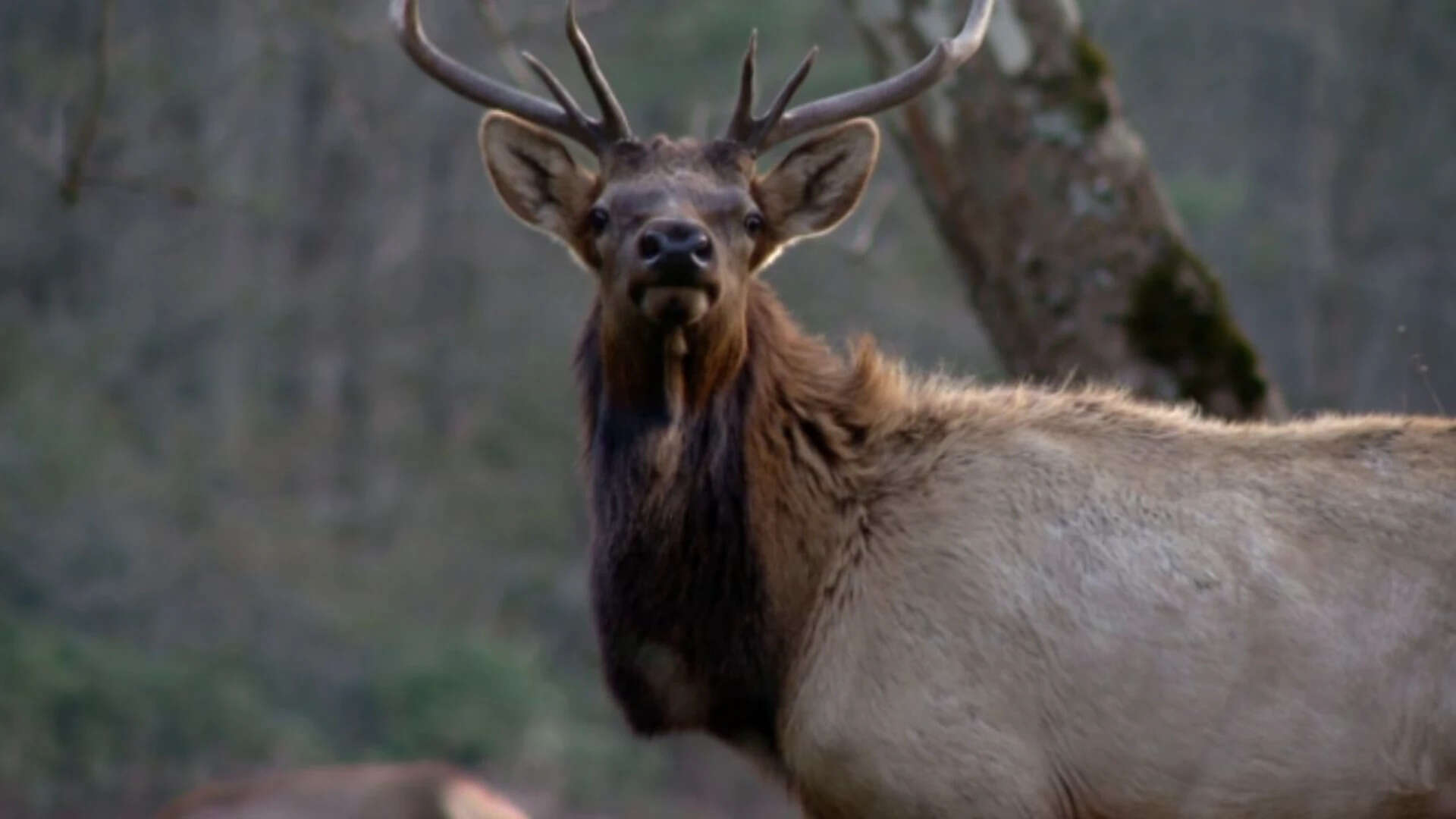
North Carolina is officially opening its first regulated elk hunt in over two hundred years. On July 7, Governor Josh Stein signed House Bill 747 into law, authorizing state wildlife officials to issue two elk hunting permits for the 2027 season.
That might sound like a tiny headline at first glance. Two permits? For an entire state? For another view, check out: this related article.
It's actually a massive milestone. It marks twenty-five years of patient, deliberate conservation work in the western mountains. It shows that an animal once completely wiped off the state's map has finally established a stable, self-sustaining population.
If you're wondering how two hunting tags could possibly benefit a growing wildlife population, or how you can get your hands on one of these extremely rare permits, here's everything you need to know about North Carolina's landmark decision. Further insight on this matter has been provided by NPR.
The Long Road Back to the Great Smoky Mountains
To appreciate why this 2027 hunt matters so much, you have to look at what happened two centuries ago. Eastern elk once roamed across almost the entire eastern half of the United States. They filled the lush valleys and oak-hickory forests of North Carolina long before European settlers arrived.
By 1800, unregulated hunting and rapid habitat clearance cleared them out entirely. The Eastern elk subspecies was eventually driven to complete extinction across North America by the late nineteenth century.
For nearly two hundred years, North Carolina forests remained silent of the distinctive bugle of wild elk.
That changed in 2001. State biologists and wildlife agencies launched an ambitious experimental reintroduction project in the Cataloochee Valley, located inside Great Smoky Mountains National Park. They brought in 52 Manitoban elk—a genetic cousin to the extinct Eastern elk—and released them into the wild across 2001 and 2002.
It wasn't smooth sailing right away. Early on, calves faced heavy predation from black bears and coyotes. Disease and vehicle collisions took a toll too. Biologists spent endless hours tracking radio collars, studying herd movements, and figuring out what these animals needed to survive in modern Appalachian terrain.
Slowly, the herd adapted. They expanded outside the national park boundaries into surrounding game lands and private pastures across Haywood, Jackson, and Swain counties. Today, the population is thriving.
According to Justin McVey, district wildlife biologist with the North Carolina Wildlife Resources Commission (NCWRC), the state's goal for elk management has always been to build a sustainable population that can support a controlled hunt. Reaching this point means decades of hard work paid off.
Breaking Down the Two Permits for 2027
North Carolina is taking an extremely cautious approach with this inaugural season. Wildlife managers aren't trying to reduce the herd size overnight. They want to test the administrative framework, generate dedicated conservation funding, and gather harvest data without putting any stress on the overall herd numbers.
Under House Bill 747, the state will issue exactly two non-transferable elk permits for the 2027 season. Each permit allows the holder to harvest a single elk within designated state zones.
The two permits will be distributed through two completely different channels.
The Auction Permit
The state will award one permit to a recognized non-profit wildlife conservation organization that played an active role in the original elk reintroduction program. This organization will put the tag up for public auction to the highest bidder.
National conservation auctions for rare big-game tags in western states often fetch six-figure bids from wealthy hunters. The law specifies that the selected non-profit can keep up to 25 percent of the auction proceeds to cover administrative costs and fund local habitat projects. The remaining 75 percent goes straight into state conservation funds.
The Public Raffle Permit
The second permit gives everyday hunters a real shot. The NCWRC will host a public raffle for residents and qualifying sportsmen.
Here are the specific rules for the raffle:
- Raffle tickets cost $20 each.
- Individual buyers can purchase up to 30 tickets, capping maximum spending at $500 per person.
- Applicants must hold a valid North Carolina hunting license or qualify for a official license exemption under state law.
- The commission can retain up to $25,000 from raffle proceeds to manage the program.
All remaining revenue generated from both the auction and the raffle will be deposited directly into North Carolina’s Wildlife Resources Fund. That money is strictly earmarked for ongoing elk management, habitat restoration, research, and land acquisition in western North Carolina.
Why Managing Elk Requires Hunting
Some folks hear about wildlife recovery efforts and wonder why the end goal ever involves hunting. It seems paradoxical on the surface. Why spend twenty-five years bringing an animal back just to let someone shoot two of them?
Honestly, this is how North American wildlife conservation works at its core. It's built on what experts call the North American Model of Wildlife Conservation.
Wild animals don't live in a vacuum. Once a large herbivore population reaches a certain density, biological and social carrying capacities come into play. Elk can weigh anywhere from 500 to over 800 pounds. A mature bull eats dozens of pounds of vegetation every single day.
In places like Maggie Valley and surrounding rural communities, elk frequently wander onto private farms, golf courses, and residential gardens. They knock down fences, devour agricultural crops, and occasionally create traffic hazards on mountain roads.
When landowners view wildlife purely as a destructive nuisance, tolerance drops fast. Regulated hunting transforms an animal from a source of conflict into a highly valued wildlife resource.
Beyond social factors, hunting tags raise essential funds. State wildlife agencies rarely receive substantial funding from general tax revenue. They rely almost entirely on hunting and fishing license sales, excise taxes on sporting gear, and specialized permit raffles.
The money raised from these two permits will directly fund winter habitat enhancement, public viewing areas, crop-damage mitigation programs, and biological monitoring. Two animals taken out of a stable herd won't hurt population growth, but the capital raised will benefit the entire species for decades.
Specific Rules for the 2027 Season
If you're lucky enough to win the raffle or take home the auction permit in mid-2027, you won't have free rein over the entire state. The NCWRC has established clear boundaries and strict compliance mandates to keep the hunt organized.
The primary rules established for the inaugural season include:
- Timeline: Applications and permit distributions will take place in July 2027. The official hunting season opens later that fall, in October 2027.
- Boundaries: Permit holders can hunt within designated elk zones in western North Carolina. This covers both public game lands and private property located inside the zone.
- Landowner Permission: Having a state elk tag doesn't grant trespass rights. Hunters who want to hunt on private land must secure written permission from the landowner beforehand.
- Mandatory Reporting: Under House Bill 747, any harvested elk must be formally reported and physical evidence presented directly to NCWRC officials for biological inspection and data collection.
Violating any of these rules carries heavy fines and loss of future hunting privileges. Biologists want precise data on harvest locations, animal health, weight, and antler development to guide future tag allocations.
What Local Communities Stand to Gain
The return of the elk has been a mixed bag for western North Carolina mountain towns, but mostly a huge net positive.
Maggie Valley and Cherokee have turned elk watching into a major seasonal tourist attraction. Thousands of visitors travel to the Cataloochee Valley every autumn just to watch bulls bugle and spar during the annual rut. Local hotels, restaurants, and outdoor outfitters benefit heavily from eco-tourism dollars.
At the same time, local farmers have absorbed real financial hits from herd browsing. Establishing a formal hunt sends a strong message to mountain communities that state officials are actively managing the herd and balancing wildlife needs with local property rights.
Furthermore, conservation groups hope to use a portion of the permit proceeds to work directly with private landowners. By funding targeted fencing projects, sacrifice pastures, and habitat improvements on public game lands, wildlife managers can keep elk off private agricultural crops while maintaining healthy public herds.
Actionable Steps to Get Ready for July 2027
If you want to enter the drawing for North Carolina's first modern elk tag, you have time to get your ducks in a row. Don't wait until the last minute.
Here is what you should do to prepare:
- Verify Your License Status: Make sure your North Carolina hunting license is current or ensure you qualify for a statutory license exemption before ticket sales open in July 2027.
- Budget for Tickets: Decide how many raffle entries you want to buy. Individual tickets are $20, with a hard cap of 30 tickets ($500).
- Scout the Area: If you plan to buy tickets, familiarize yourself with western North Carolina game lands in Haywood, Swain, and Jackson counties. Understanding terrain and public land boundaries gives you a massive head start if your name gets pulled.
- Connect with Local Landowners: If you know mountain property owners inside the designated elk zones, start building relationships now. Securing private land access early can make or break a hunt.
- Keep Track of Official Announcements: Bookmark the official North Carolina Wildlife Resources Commission website and check for application deadlines as summer 2027 approaches.
North Carolina's journey from total extirpation to a carefully managed, huntable elk population is one of the biggest conservation victories the Southeast has seen in decades. Whether you're a local resident hoping for a lucky raffle draw or just a wildlife enthusiast watching from afar, 2027 is set to mark an exciting new chapter for the Great Smoky Mountains.