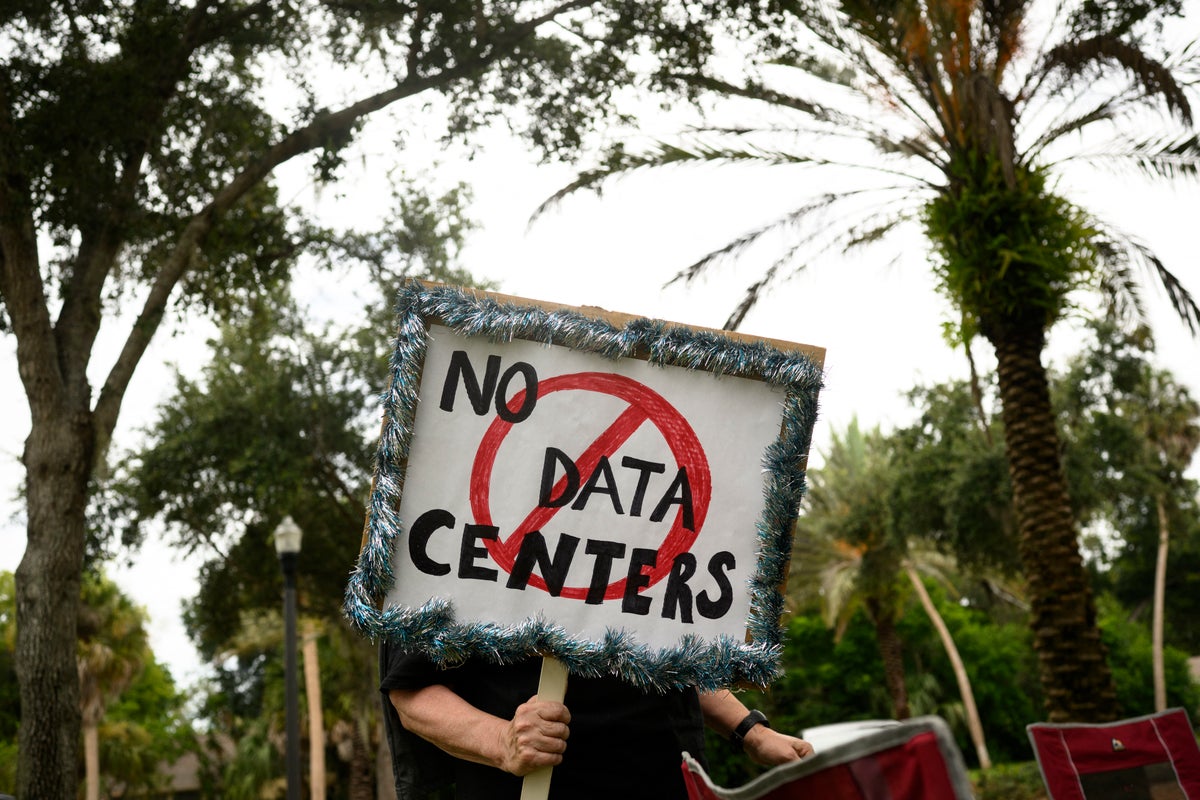
Everybody loves the idea of nuclear energy until it is time to pour the concrete, secure the financing, or deal with the spent fuel. Politicians love standing in front of microphones promising a clean energy renaissance powered by the atom. Tech giants desperate to juice their power-hungry artificial intelligence data centers sign flashy multi-decade power purchase agreements with zero hesitation.
Yet, when you look past the press releases and corporate optimism, a massive canyon separates what governments and corporations claim they will do and what they actually manage to construct. Discover more on a similar subject: this related article.
You can sign a contract for gigawatts of clean electricity all day long. A signed piece of paper does not build a reactor.
The Grand Illusion of Clean Energy Ambition
Global climate summits routinely feature rousing pledges to triple nuclear capacity by 2050. Major economies sign declarations, industry groups release bullish forecasts, and energy executives talk about a coming nuclear gold rush. It sounds incredible on paper. Further reporting by ZDNet explores comparable perspectives on this issue.
Then reality sets in.
Take the recent stumbles in Japan, where utilities attempting to restart idled reactors face deep-seated regulatory scandals, data manipulation reviews, and massive timeline extensions. Even with governments pushing desperately for restarts to power modern digital infrastructure, decades of institutional inertia and compliance failures continue to slow things down.
Ambition is free. Concrete, specialized steel, and certified nuclear engineers are expensive and scarce.
Why Building New Reactors Is Broken
If you want to understand why new nuclear builds consistently run billions over budget and years behind schedule, look at the supply chain. You cannot scale an advanced nuclear fleet if you cannot even secure stable supplies of specialized fuels like high-assay low-enriched uranium.
For years, the global nuclear fuel cycle depended heavily on external suppliers that are now geopolitical liabilities. Domestic enrichment facilities and fuel fabrication plants take years to permit, finance, and construct. When companies like X-energy partner with fuel developers to build out industrial-scale enrichment, it highlights a stark truth: reactor design is the easy part. Building the industrial manufacturing base to support it is where projects go to die.
Furthermore, institutional memory has withered. Entire generations of specialized nuclear construction talent have retired. When a country tries to build a mega-project after a thirty-year hiatus, it discovers that the institutional skill set required to manage complex nuclear builds has evaporated. Workers make mistakes, regulators demand endless re-evaluations, and budgets spiral out of control.
The Data Center Gold Rush Complicates Everything
The explosive growth of artificial intelligence has thrown a massive wrench into power grid planning. Hyperscalers like Amazon, Microsoft, and Google are scrambling for firm, carbon-free power to keep their server farms humming around the clock. Wind and solar are great, but the sun does not always shine and the wind does not always blow.
Nuclear energy offers the holy grail: 24/7 baseload power with zero carbon emissions.
This has created a weird dynamic. Tech companies are throwing money at existing nuclear plants, striking deals to revive mothballed reactors like Pennsylvania's famous units just to secure guaranteed electricity. While these restarts make sense for squeezing extra life out of current assets, they do nothing to solve the long-term deficit of brand-new generating capacity. Buying up existing output is just shuffling deck chairs on the energy transition Titanic. It does not create new capacity at the scale required for a multi-trillion-dollar artificial intelligence buildout.
Closing the Gap
If we are serious about closing the gap between climate ambition and actual steel in the ground, the industry has to stop pretending that enthusiasm is an engineering strategy.
Stop relying on wishful thinking and vague multi-decade targets. If you are tracking energy markets or investing in the future grid, look past the PR statements about small modular reactors and check the actual supply contracts, regulatory milestones, and factory backlogs. Real progress happens in boring factories stamping out standardized components, not in keynote speeches.
Prioritize supply chain security before announcing mega-projects. Build out domestic fuel enrichment, streamline predictable regulatory frameworks without sacrificing safety, and fund technical training programs that actually produce skilled welders and nuclear engineers.
The atom remains one of our most potent tools for a low-carbon future. It is time to stop treating it like a marketing slogan and start treating it like the heavy industrial engineering challenge that it is.