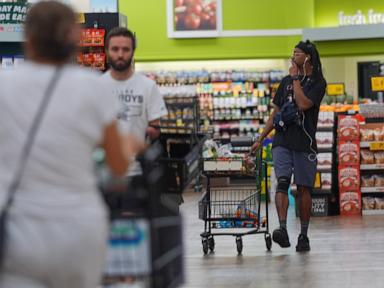
The consumer spending machine is finally starting to sputter. Fresh data from the Commerce Department reveals that U.S. retail sales crawled upward by just 0.2 percent in October. That is a sharp drop from September's 0.8 percent gain.
If you look at the underlying numbers, the picture gets even tighter. Excluding motor vehicle and parts dealers—where sales plunged 1.6 percent—retail sales rose a modest 0.6 percent. Take away gas stations, and the increase sits at a meager 0.1 percent.
High prices are no longer just a talking point on evening news broadcasts. They are actively dictating household behavior. Americans are hitting the brakes right as the holiday shopping season kicks off.
Where the Money Stopped Flowing
You can see the caution clearly across specific retail sectors. Furniture and home furnishings stores took a brutal hit, with sales sliding 2.3 percent. Clothing and accessories stores dropped 0.7 percent. When budgets tighten, upgrading the living room sofa or buying a new fall wardrobe is the first thing people cross off the list.
Meanwhile, online retailers saw a 1.2 percent bump. That shift makes sense. Shoppers aren't stopping spending entirely; they are hunting online for discounts, price comparisons, and coupon codes.
Restaurants posted a tiny 0.2 percent increase. Dining out has become an occasional treat rather than a casual habit for middle-class and moderate-income households. People are choosing to eat at home to protect their bank accounts.
The Credit Card Paradox
Americans are leaning heavily on plastic to bridge the gap, but they aren't completely reckless about it. According to credit reporting agency TransUnion, outstanding credit card balances hit a staggering $1.17 trillion. That represents a 5.1 percent jump compared to the previous year.
Yet, serious credit card delinquency rates have held steady. Experts note that consumers are managing their existing debts reasonably well despite carrying more weight than ever. Active accounts are seeing balances climb at a 9 percent yearly pace, which is the fastest clip recorded since before the pandemic.
People are dipping into savings and leaning on credit cards to cover basics. It is a balancing act that cannot last forever.
How Retailers Are Responding
Major merchants see the writing on the wall. Companies like Target, Walmart, and Kohl's are rolling out aggressive affordability campaigns earlier than usual. Target announced it is pushing more than 8,000 new gifts for the winter holidays, with over half exclusive to the brand and priced at $20 or less. Thousands of items sit below the $5 mark.
Kohl's is expanding its range of lower-priced gift sets across departments. Retailers know that standard pricing won't cut it this season. They have to manufacture artificial urgency through deep discounts to get shoppers to pull out their wallets.
Gas prices offer a minor silver lining. The national average for regular gasoline dipped to $3.78 per gallon, marking a 12 percent drop from the previous month. That relief at the pump frees up a little cash for groceries and holiday gifts.
What This Means for Your Wallet
The October retail report serves as a reality check. Inflation has chipped away at purchasing power for years, and household reserves are running dry.
If you are planning your own holiday budget this year, take a cue from the broader market. Waiting for targeted promotional events and sticking to strict spending limits isn't just smart—it is what the majority of the country is already doing. Shop early, ignore superficial holiday marketing traps, and protect your cash.