Crude oil traders are exhausted. One day a three-hour meeting at the United Nations sparks wild optimism about a diplomatic off-ramp, and prices tumble. The next day sharp rhetoric from Tehran sends Brent right back past $106 a barrel.
If you are trying to make sense of why energy markets are acting like a rollercoaster right now, stop looking at single-day price drops as permanent trends. The market is reacting to every headline coming out of New York and the Persian Gulf, but the structural supply risks haven't vanished just because two delegations sat in a room together. Read more on a similar subject: this related article.
Here is what is actually happening behind the oil market volatility and why you shouldn't trust the temporary price dips.
The Diplomatic Smoke Screen
The recent downward pressure on oil started when whispers of potential talks turned into physical meetings on the sidelines of the UN General Assembly. When President Donald Trump noted that U.S. and Iranian officials held a multi-hour discussion, and reports surfaced that Tehran might consider reopening the critical Strait of Hormuz if maritime blockades ease, traders panicked out of their short positions. Additional journalism by Business Insider delves into similar perspectives on this issue.
Brent crude pulled back from its recent highs, and West Texas Intermediate slid below key moving averages. Wall Street loves a simple narrative. A peace deal equals lower inflation, lower pump prices, and a return to normal crude flows.
Except diplomacy in this region rarely moves in a straight line.
Just as quickly as the peace optimism gripped the trading floor, Iranian President Masoud Pezeshkian took to the UN podium and delivered a sharp critique of Western policy. Hardline warnings about expanding the conflict if attacks resume quickly wiped out the previous sessions' gains. Markets hate uncertainty, and right now, the gap between a staged photo-op and an actual, binding truce is wide enough to swallow a supertanker.
Supply Realities Versus Headline Chasing
Markets are pricing in a peace deal that hasn't actually been signed yet. That is the fundamental mistake driving these price fluctuations.
Look past the diplomatic theater and the physical market tells a more complicated story:
- Middle East crude flows have taken massive hits throughout the year, forcing major institutions like JPMorgan to admit their standard forecasting models are practically useless in mapping the conflict's trajectory.
- Bank of America has openly warned that Brent could rocket past $150 a barrel if infrastructure disruptions persist and supply chains tighten further.
- U.S. commercial crude inventories recently swelled by 3 million barrels, surprising analysts who expected a draw, yet this minor inventory cushion does little to offset the permanent threat hanging over the Strait of Hormuz.
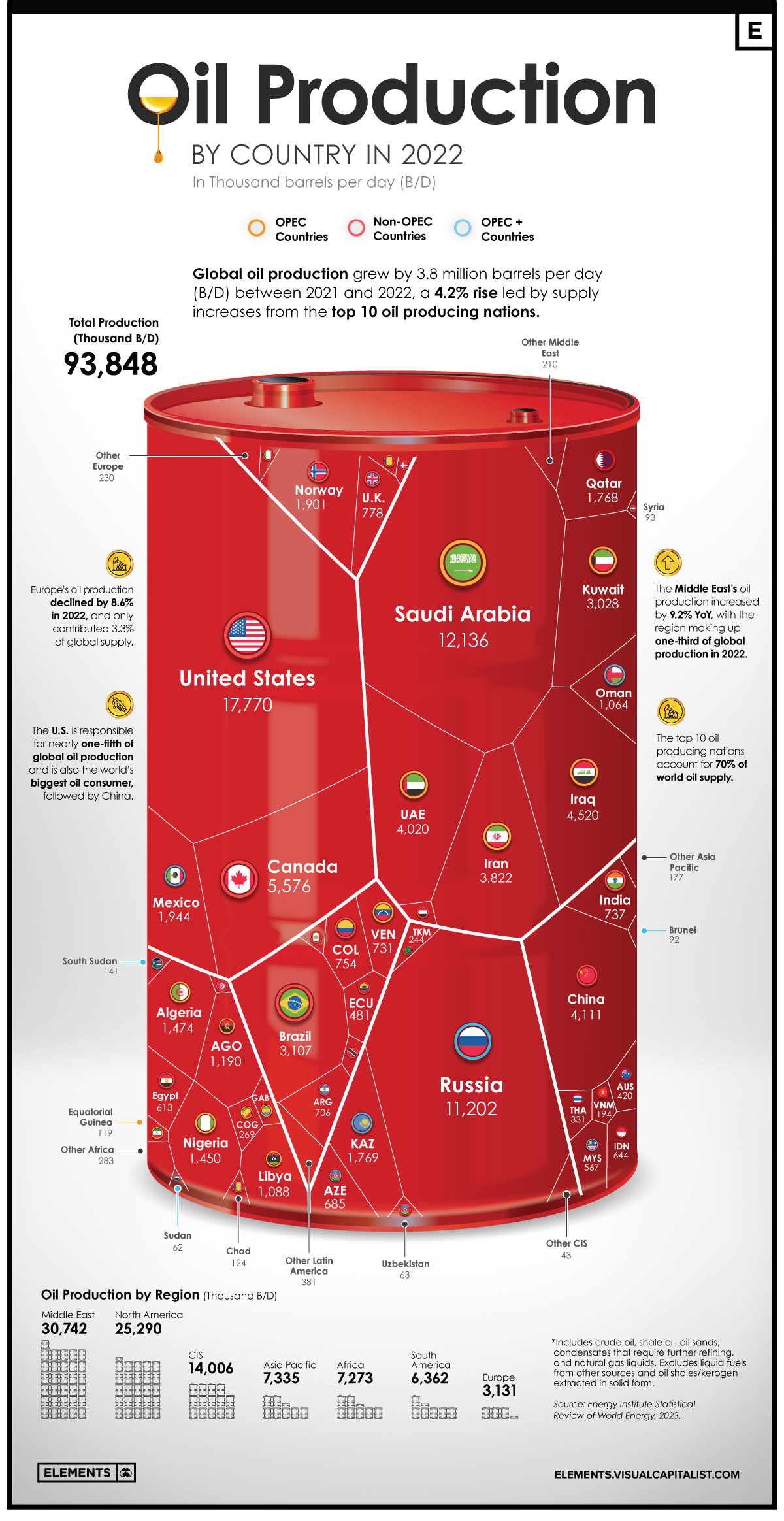
Saudi Arabia has scrambled to keep shipments moving by pushing output through alternative routes like the East-West pipeline, and Persian Gulf producers are sneaking barrels out on tankers with their transponders turned off. These workarounds keep the global economy from grinding to a complete halt, but they are expensive, inefficient bandages on a bleeding supply chain.
What This Means for Your Next Moves
If you run a business exposed to fuel costs, or if you are trying to position a portfolio against runaway inflation, you need to stop reacting to every single-day dip in oil futures.
Volatility is the new baseline. When oil slides 3 or 4 percent because of an unverified rumor about a backchannel meeting, treat it as noise, not a structural shift. The geopolitical risk premium attached to every barrel of crude isn't going away until cargo ships can clear the Strait of Hormuz without military escorts and insurance companies stop charging prohibitive war-risk premiums.
Keep a close eye on physical flow data from analytics firms rather than trusting political soundbites. Watch actual tanker tracking numbers, refinery margins, and export volumes out of the Persian Gulf.
Plan for elevated energy costs, bake buffer room into your operational budgets, and stop betting on a quick diplomatic fix to solve a multi-year structural energy deficit.