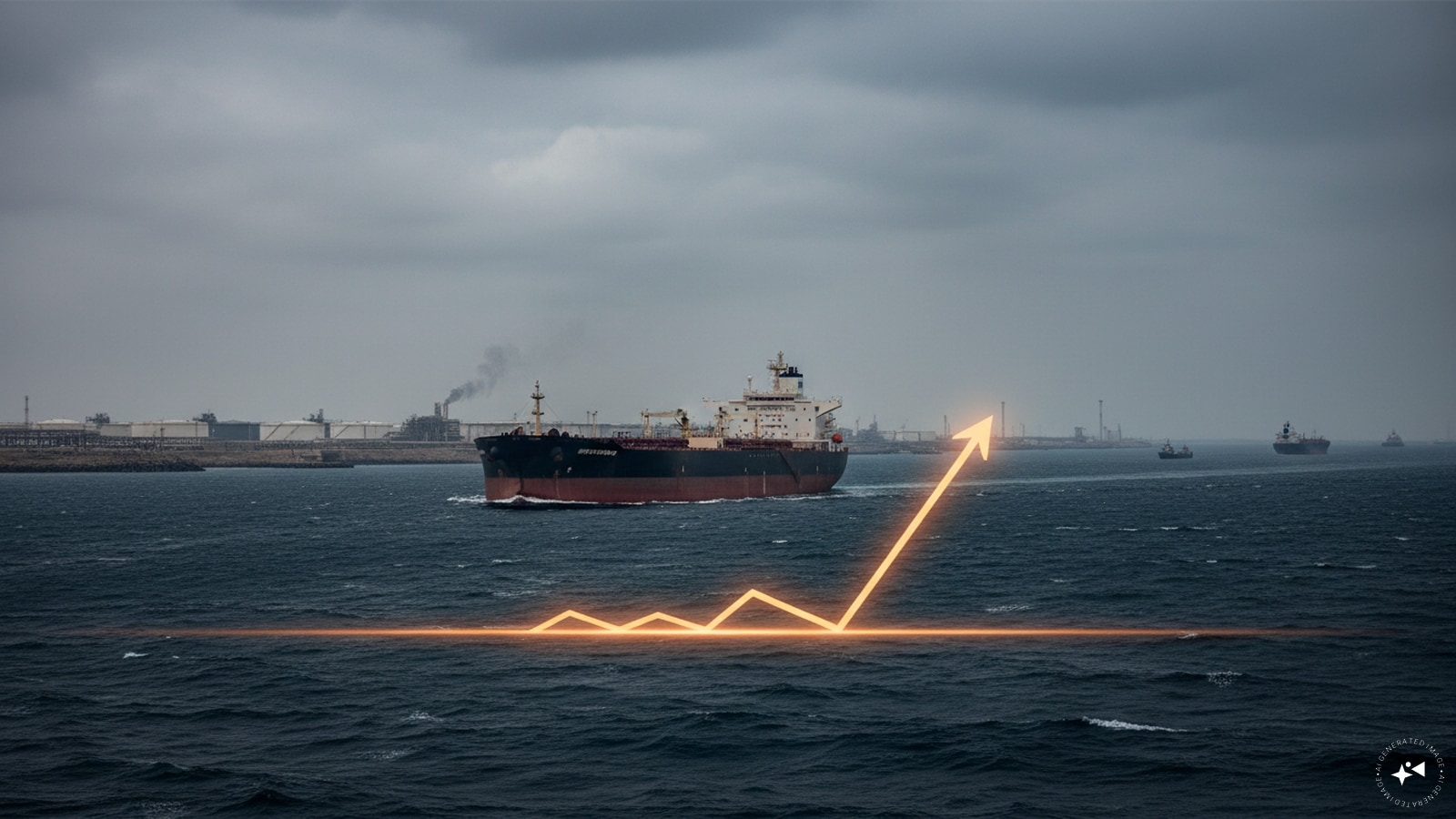
Crude oil isn't just fluctuating on standard market supply reports anymore. It's reacting directly to kinetic warfare hitting energy infrastructure across two major exporting regions at the exact same time. Brent and WTI are holding firm near the $105 mark because traders know that a single drone strike or shipping lane blockade can wipe out millions of barrels of daily output before the opening bell rings.
If you're wondering why pump prices refuse to give consumers a break, look at the map. Refineries in Russia are taking structural hits from long-range drone incursions, while cargo ships navigating the Strait of Hormuz face persistent threats from regional militant groups and rising geopolitical posturing. Markets hate uncertainty. Right now, uncertainty is the only constant.
The Dual Shock Impact on Global Crude
Energy markets usually absorb regional conflicts by pricing in temporary risk premiums. This time feels different. The structural damage inflicted on Russian processing units and export terminals means lost barrels take months to rebuild, not days. At the same time, West Asian trade arteries remain on high alert.
When tanker traffic slows down or reroutes around the African cape instead of cutting through key Middle Eastern chokepoints, shipping costs skyrocket. Insurance premiums for maritime transit surge. That extra cost gets baked straight into every barrel purchased by refiners in Asia and Europe.
Why Inventories Aren't Saving the Day
Commercial stockpiles in major consumer economies are running leaner than historical averages. For months, governments relied on strategic petroleum reserves to smooth out bumps. Those buffers are much thinner now. Refiners can't just dip into massive reserve pools to offset sudden outages caused by physical attacks on production facilities.
When weekly inventory reports flash unexpected draws, algorithmic trading desks react instantly. They push prices right back up toward resistance levels. Traders aren't buying the narrative that output will bounce back quickly. They are pricing in the reality of damaged hardware and nervous freight operators.
What Traders and Consumers Need to Watch Next
Stop listening to optimistic forecasts about production quotas from major cartels alone. Real output matters far less than operational security. Keep your eyes on three specific variables over the coming weeks:
- Refinery downtime reports coming out of western and eastern Russian processing hubs.
- Maritime insurance rates for tankers moving through Middle Eastern trade channels.
- Weekly petroleum inventory prints from major storage hubs like Cushing, Oklahoma.
If attacks escalate and take out more processing capacity, that $105 floor won't hold. Prices will test higher brackets. Plan your operational budgets and energy exposure accordingly, because this volatility is sticking around.