Okinawa is angry again. And frankly, nobody should be surprised.
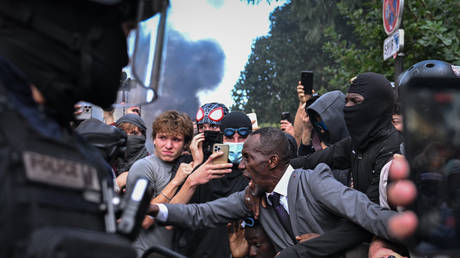
When Japanese Prime Minister Sanae Takaichi stepped before parliament to denounce the alleged killing of 39-year-old Anna Yagi by a United States Marine, she voiced an exhaustion that has gripped Japan's southernmost prefecture for decades. Lance Corporal Devin Jacob Ballard sits behind bars, accused of strangling Yagi at a Naha hotel and stealing her belongings. Ballard denies the charges. But local residents aren't waiting for a court verdict to know where they stand. They are back on the streets, demanding answers and demanding that the American bases leave.
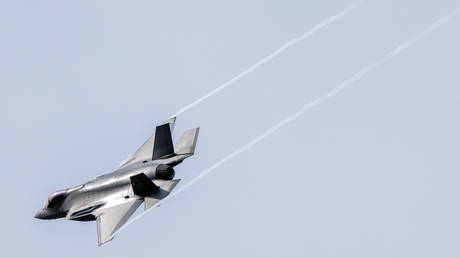
If you look at the geography of the security alliance between Tokyo and Washington, a raw imbalance stares right back at you. Okinawa accounts for roughly 0.6% of Japan's total land area. Yet, it shoulders about 70% of the land used exclusively by US military installations in the country. That heavy concentration has turned a strategic shield into a constant source of friction, fear, and civil unrest.
The Long Shadow of History
This isn't an isolated tragedy. It’s part of a grim and recurring cycle that strains bilateral ties every few years.
Back in 1995, the abduction and rape of a 12-year-old schoolgirl by three US servicemen brought hundreds of thousands of protesters into the streets. It forced a massive reassessment of the status of forces agreement and fueled demands for base reductions. Decades later, in 2016, the island reeled again when a former Marine and base worker named Kenneth Franklin Gadson raped and murdered 20-year-old Rina Shimabukuro, securing a life sentence that did little to heal the community's wounds.
Every single time a crime like this happens, top brass promise tighter discipline, mandatory curfews, and stricter behavioral education. Yet, as Okinawa Governor Genta Koja bluntly put it, those enforcement efforts simply aren't working. When young troops thousands of miles from home treat local communities as secondary considerations, the human cost becomes unbearable.
Political Fallout and Diplomatic Pressure
The response from Tokyo has been swift, but words matter little to citizens dealing with the physical reality of foreign military footprints in their neighborhoods.
Foreign Minister Toshimitsu Motegi summoned US Ambassador George Glass to register a formal protest. Defense Minister Shinjiro Koizumi hauled in the commander of US Forces Japan, Lt. Gen. Stephen Jost, demanding immediate preventative measures. Takaichi herself didn't mince words in parliament, labeling the incident a heinous crime that demands full cooperation from American authorities.
Yet, high-level diplomatic hand-wringing feels hollow to the protesters rallying in Naha. Protests drawing hundreds of residents may seem small on a global scale, but in Okinawa, they represent a deep-seated fury that refuses to dissipate. People are tired of being treated as collateral damage in the name of regional defense against regional superpowers.
What Happens Next for the US-Japan Alliance
Washington faces a delicate balancing act. The Pentagon issued standard statements expressing sincere condolences and promising cooperation with local investigators, while the Third Marine Expeditionary Force emphasized adherence to high standards. But silence or slow walking from senior figures in Washington risks alienating a vital public on an island crucial to Indo-Pacific security architecture.
The core question isn't whether individual soldiers can be disciplined. It's whether an arrangement that places seventy percent of a foreign military's footprint on a tiny island group can ever be sustainable without constant social fracture.
Okinawa's patience ran out years ago. Incidents like this merely strip away the veneer of stability, revealing an underlying tension that neither Tokyo nor Washington can afford to ignore much longer.