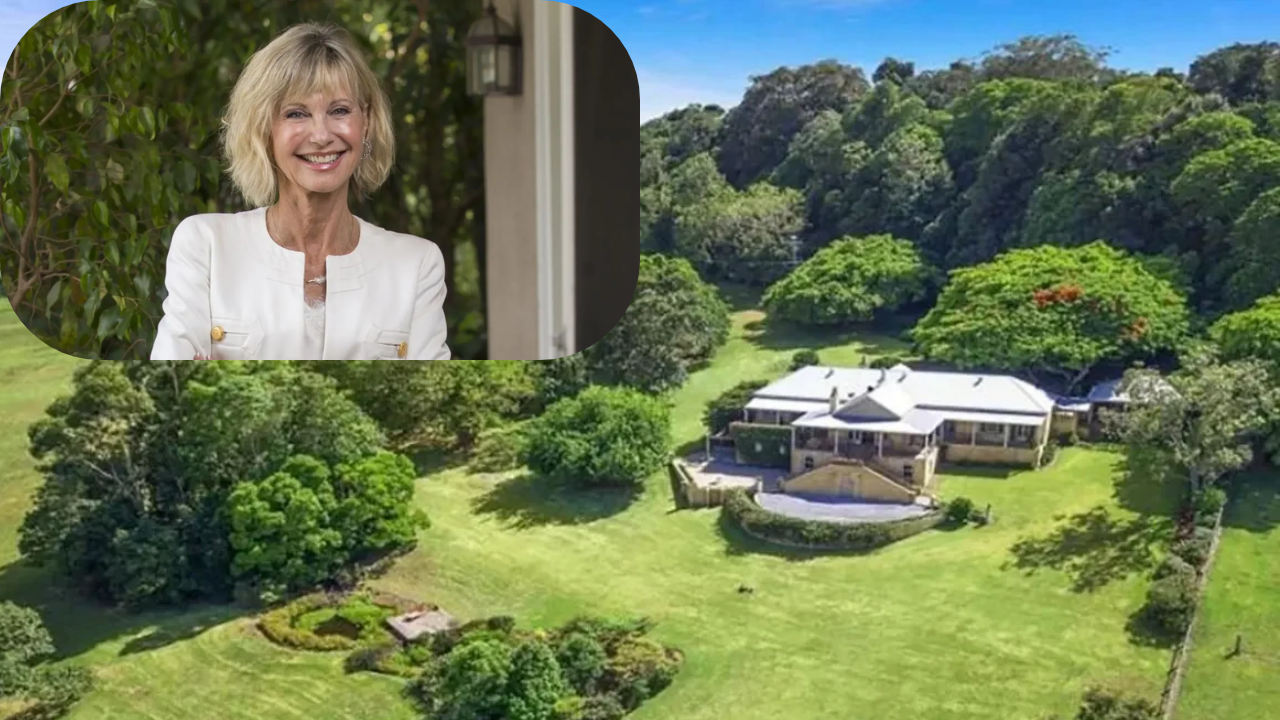
Most celebrities buy sprawling rural properties simply to hide from the public eye. They build high gates, install security systems, and treat the surrounding land as a private luxury backdrop. Olivia Newton-John took a completely different path when she picked up an initial parcel of land near Ballina in New South Wales back in 1981.
Instead of turning her new investment into a fenced-off celebrity fortress, she spent decades transforming the landscape into a protected ecological sanctuary. Property records show she originally secured the core acreage for $622,000, slowly expanding the footprint over the next thirty-eight years until it spanned roughly 187 acres in the Dalwood region.
Planting Roots and Rewilding the Land
The core of the Dalwood estate wasn't about luxury architecture at first. It was about restoration. Newton-John rolled up her sleeves and committed to a massive environmental project, personally planting thousands of native trees to rebuild a devastated ecosystem.
Working alongside nature rather than against it, she turned the property into a thriving habitat for local wildlife. The land bordered the Victoria Park Nature Reserve, giving migrating animals and local species an uninterrupted safe corridor. She rebuilt the main French country and Italian-inspired homestead years later in the early 2000s, keeping the aesthetic earthy, warm, and entirely integrated with the surrounding greenery.
Buying rural land and letting it revert to nature sounds simple on paper, but maintaining a wildlife corridor requires constant pest management, weed control, and botanical stewardship. Newton-John treated the property as a living project, proving that private landowners can actively reverse habitat loss if they care enough to invest the time.
Why She Let Go of Her Australian Sanctuary
After nearly four decades of holding the property, the beloved entertainer listed the sprawling sanctuary, eventually selling it for $4.6 million. Fans often wondered why someone so deeply connected to the Australian landscape would walk away from her personal heaven on earth.
The decision tied directly into her life's shifting mission. Following her initial breast cancer diagnosis in 1992 and subsequent health battles, her focus shifted heavily toward global health advocacy, wellness research, and funding plant-medicine initiatives through her foundation. Maintaining a massive agricultural and ecological estate thousands of miles away while waging a public health war required redirecting her resources.
Her real estate moves weren't about chasing profits. They were calculated steps to fuel her philanthropic vision. Even after parting ways with the Dalwood property, her footprint in the region remained strong through her co-ownership of the nearby Gaia Retreat & Spa in the Byron Bay hinterland, a holistic sanctuary she helped establish in 2005.
What Property Owners Can Learn From the Dalwood Estate
Transforming a commercial or run-down farm into an eco-friendly wildlife haven is a blueprint anyone with rural acreage can follow, provided they have the patience.
- Prioritize Native Flora: Avoid planting ornamental or invasive foreign species. Planting native trees ensures local pollinators and wildlife actually return to the area.
- Create Safe Corridors: If your land borders public parks or state reserves, design your fencing and layout to allow animals to pass through safely.
- Match Land Use to Your Life Stage: Assets should serve your current purpose. When priorities change, liquidating real estate to fund passions—whether medical research or creative ventures—makes logical sense.
The Dalwood estate stands as a rare example of celebrity real estate done right. It wasn't flipped for a quick market gain. It was healed, nurtured, and handed over to a new custodian with its natural soul intact.


