A single stray construction shovel in New Jersey just paralyzed travel across the entire American Northeast.
When the Federal Aviation Administration slapped sudden ground stops on major air hubs like John F. Kennedy, LaGuardia, and regional spots like Teterboro, the root cause wasn't a cyberattack or severe weather. It was a physical fiber-optic cable. A digging crew working on a local site sliced clean through the primary communications line feeding the Philadelphia Terminal Radar Approach Control, taking backup systems down right along with it.
If you've spent any time tracking modern infrastructure, you already know how fragile these systems are. But watching major airports grind to a halt because of a localized trenching accident is a stark reminder of just how close the entire U.S. aviation network sits to total operational gridlock.
The Domino Effect on Northeast Air Traffic
The timing couldn't have been worse. Hundreds of world leaders were pouring into New York City for the annual United Nations General Assembly, transforming already congested airspace into a high-stakes bottleneck.
When the primary communications link severed, controllers lost reliable radar feeds and direct voice channels. Safety protocols leave zero margin for error, meaning the FAA had no choice. They had to slam the brakes on departures.
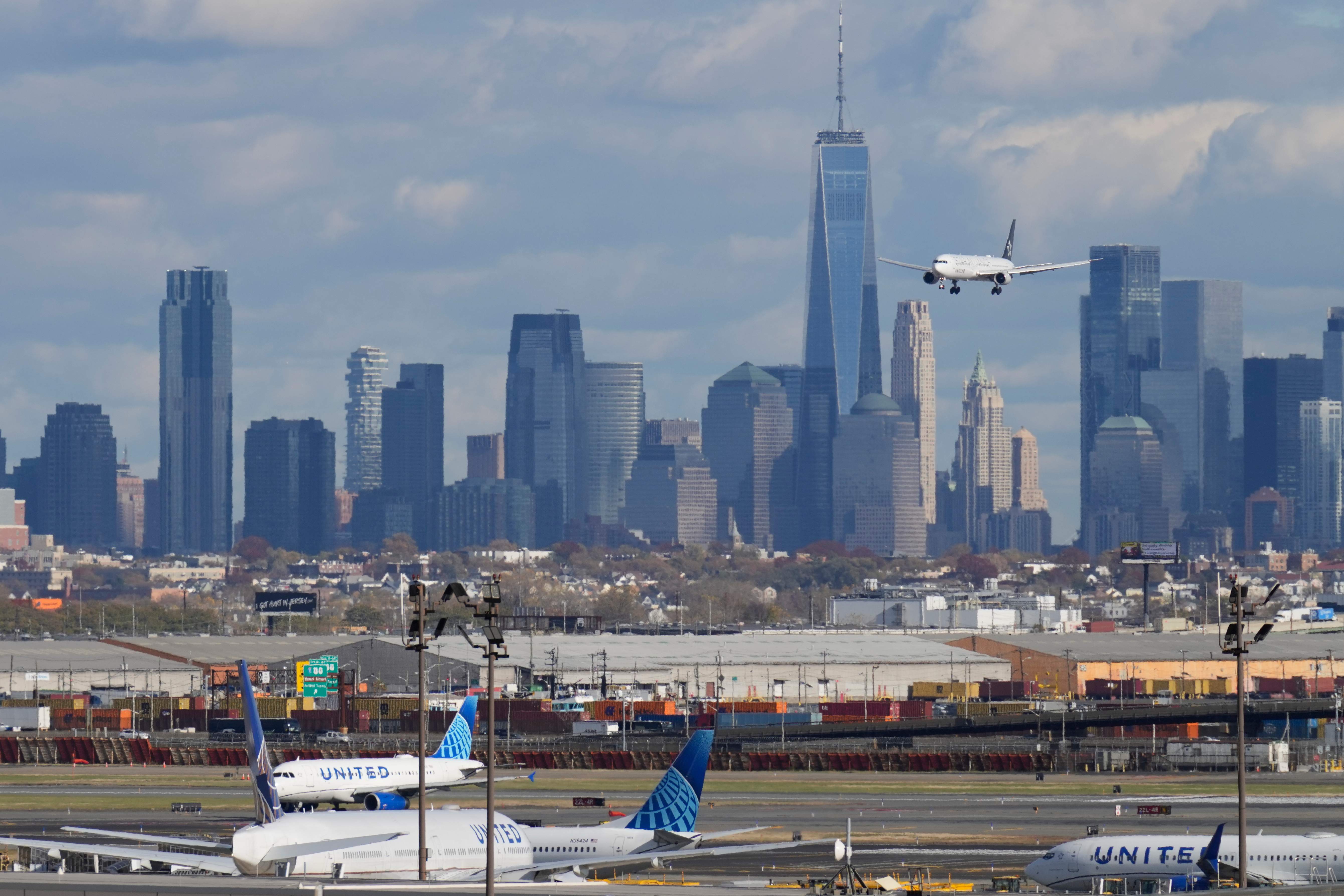
Flight-tracking data showed immediate chaos. More than six hundred flights suffered massive delays across Newark Liberty International and Philadelphia International. Newark, a massive hub for United Airlines, watched average delays balloon past one hundred minutes. Flights diverted across neighboring states, burning expensive fuel and ruining passenger schedules over a mistake made by a backhoe operator miles away.
Why Backup Systems Keep Failing
You might wonder why a billion-dollar aviation network doesn't have a bulletproof redundancy plan. The short answer is that redundancy only works if the backup path doesn't share the same physical vulnerability.
Too often, primary and secondary data cables run through the exact same utility corridors, bridges, or highway overpasses. When a construction crew clips a conduit, they often slice through both the main line and the supposed fail-safe at the same time.
This isn't an isolated incident. Facilities guiding traffic in and out of major Northeast hubs have suffered recurring technical dropouts over the last few years. Radar displays blink out, frequencies drop, and controllers are left scrambling to maintain safe separation manually or through degraded backup feeds.
Congress recently approved billions to modernize air traffic control infrastructure and hire fresh controllers. Yet, upgrading software and hiring staff won't fix physical vulnerabilities buried underground. Until telecom providers and transport agencies mandate genuinely independent, physically separated routing for critical aviation data, a rogue contractor with an excavator remains a bigger threat to national airspace than most foreign adversaries.
Check your carrier app before heading to the terminal if you're flying through the Northeast corridor today. Expect rolling delays even after the FAA clears ground stops, because aircraft and crews are hopelessly out of position.