Land deals usually end with someone cashing out. Subdivisions creep in, open fields vanish beneath asphalt, and generational history gets paved over for strip malls. But every once in a while, a family looks at a pile of money and decides to pass on it.
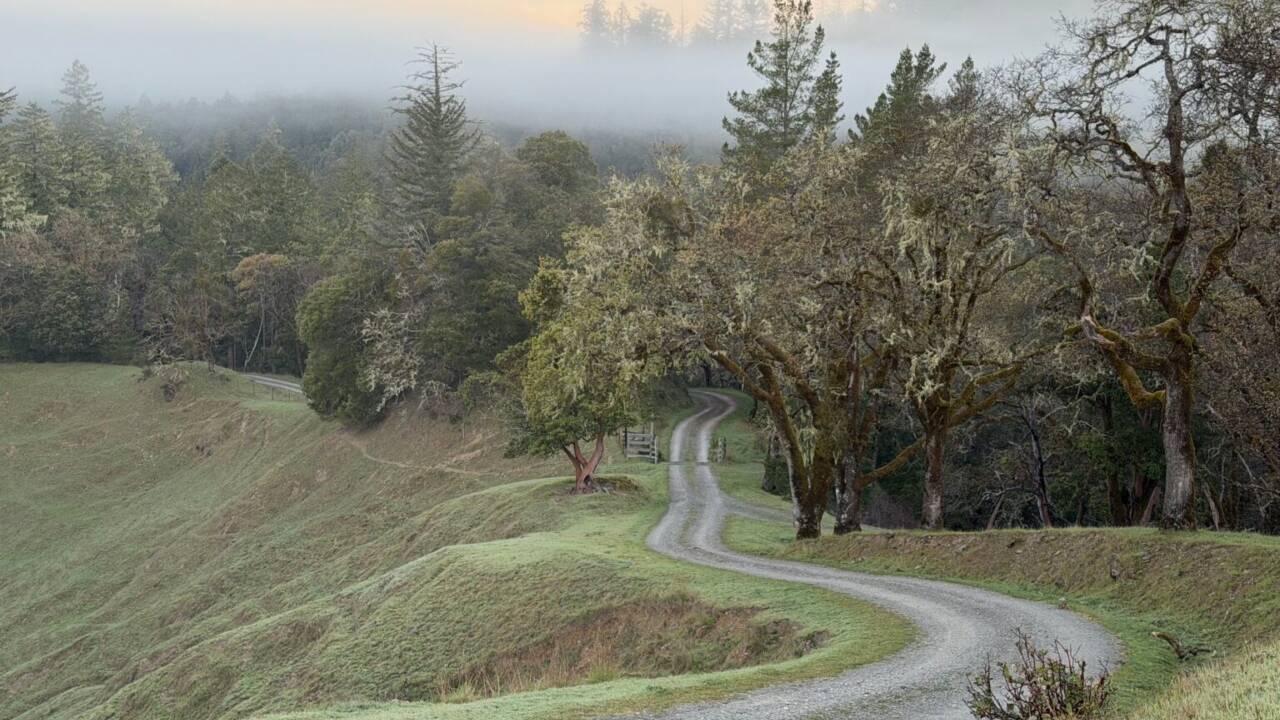
That is what happened across 6,625 acres of rugged California wilderness known as Kinsey Ranch. After more than a century of private ownership, this massive working cattle ranch in Benbow, Humboldt County, is officially locked away from future real estate development. The story of how the land survived over a hundred years of economic pressure comes down to sheer stubbornness, multi-generational stewardship, and a dying brother's final push.
A Century of Working the Land
The history of Kinsey Ranch started simply enough back in 1914. Charles and Alice Kinsey bought the property, sinking roots into a sprawling landscape defined by timbered hillsides and rushing waterways. Over the decades, the family didn't treat the acreage as an investment portfolio waiting to be liquidated. They ran it as an authentic working cattle ranch.
Today, more than 4,500 acres of the property are dedicated to cow-calf grazing operations. The rest consists of sustainably managed forestland and vital river ecosystems. More than five miles of the East Branch of the South Fork Eel River snake through the property, accompanied by over ten miles of smaller creeks.
These waterways aren't just scenic. They serve as critical migration and spawning habitat for endangered salmon. If bulldozers and luxury housing developments had moved in, the delicate balance of that watershed would have collapsed.
The Battle to Protect Kinsey Ranch
Protecting thousands of acres isn't a sentimental afternoon project. It requires navigating complex legal frameworks, state agencies, and land trusts. The Northcoast Regional Land Trust stepped in to finalize a conservation easement, working alongside partners like the California Department of Conservation and the Strategic Growth Council.
An easement doesn't strip the family of ownership. The Kinsey descendants still own the land, and the cattle still graze the open grasslands. Timber management continues as it always has.
What changes permanently is the legal deed. The agreement strips away the right to subdivide or develop the property. Even if future generations decide to sell the ranch to outside parties, the conservation restrictions remain stitched to the title forever. Developers can look all they want, but they cannot build.
David Johnson's Final Vision
Every landmark conservation effort usually has one person refusing to let the idea die. For Kinsey Ranch, that person was David Johnson.
As a grandson of Charles and Alice Kinsey, David spent his life tied to the soil of Humboldt County. He watched nearby areas slowly succumb to modern sprawl. Before he passed away in 2024, his singular obsession was securing a permanent safety net for the ranch. He didn't live to see the ink dry on the final agreement, but his family carried the torch across the finish line.
His sister, Marjorie Johnson Yates, put it bluntly when speaking about the family's choice. She noted that without the protection funding, keeping the property intact would become financially impossible for younger generations. Property taxes and market pressures eventually break most family holdings. By securing the easement, the family took the temptation of lucrative development off the table entirely.
Building a Protected Corridor
The Kinsey Ranch deal didn't happen in a vacuum. It sits alongside other recent local wins, including the nearby Wagner Ranch and Sproul Creek conservation easements.
Conservationists look at these tracts not as isolated islands, but as puzzle pieces. Piecing these large parcels together creates a continuous wildlife corridor across southern Humboldt County. Protecting 6,625 acres in one block secures a sanctuary for regional wildlife populations that need room to move without running into fences, roads, and suburban backyards.
When the Northcoast Regional Land Trust honors the Kinsey and Johnson families at their annual community celebration, they aren't just celebrating a piece of real estate. They are acknowledging a rare blueprint for how private landowners and conservation groups can lock arms to keep working lands productive, wild, and entirely out of reach of the bulldozer.