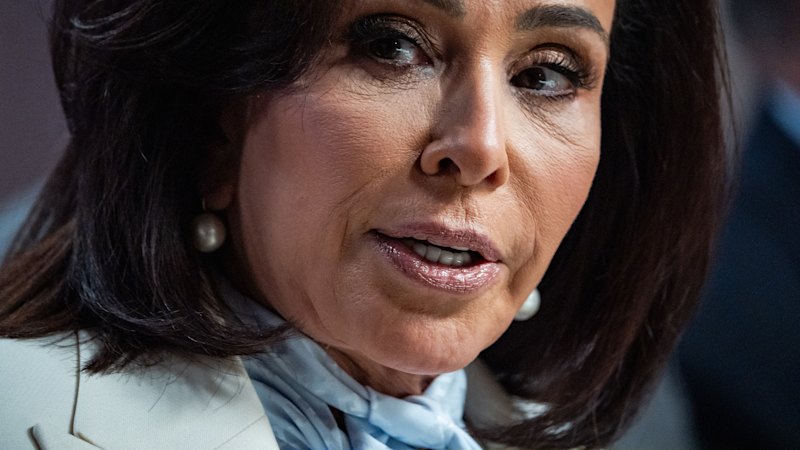
Power struggles inside modern political circles rarely end quietly. Behind closed doors, loyalty gets tested, tested again, and occasionally pushed past its absolute breaking point. When a prominent conservative loyalist recently faced a career-ending purge, the resulting clash revealed everything about how internal factions operate when pressure reaches a boiling point.
Most observers miss the messy reality of political survival. They assume jobs are lost or saved based purely on public approval ratings or grand ideological speeches. That is rarely how it works. Survival usually comes down to hard-nosed leverage, late-night phone calls, and the willingness to stare down internal critics until someone blinks.
The Anatomy of a Modern Political Crisis
When leadership tiers fracture, the collateral damage usually hits the most vocal defenders first. True believers often assume their unwavering public stance acts as armor. Instead, it frequently makes them targets for pragmatic operators who want to lower the temperature or pivot toward a different strategy.
Let us look at how these dynamics actually play out behind the scenes.
- The initial pushback usually comes from institutional veterans who view ideological rigidity as a liability.
- The targeted official digs in, mobilizing external allies and media networks to raise the political cost of an ouster.
- A tense standoff ensues, forcing leadership to calculate whether firing the loyalist causes more damage than keeping them on board.
In this specific recent showdown, the internal math shifted rapidly. What looked like a swift and quiet dismissal turned into a prolonged standoff because the individual refused to go quietly into the night. She weaponized her base of support, making it clear that any attempt to push her out would trigger an open civil war within the ranks.
Why Loyalty Is a Double-Edged Sword in Washington
Unquestioning allegiance sounds noble on paper. In practice, it traps people. If you tie your entire professional identity to a single leader or movement, you lose the institutional insulation that protects traditional bureaucrats. You are only as secure as the current mood of the room.
When the pressure mounted, the standard playbook called for an immediate resignation to protect the broader brand. The calculation changed because the target understood something crucial: modern political movements reward fighters who refuse to yield. By turning an administrative firing squad into a public loyalty test, she flipped the leverage entirely.
Leadership hates nothing more than self-inflicted drama right before an election cycle or a major legislative push. The cost of replacing her suddenly outweighed the benefits of appeasing her internal critics.
The Broader Lesson for Political Insiders
If you are watching these machinations from the outside, do not buy the sanitized press releases. Real political survival is gritty and transactional.
- Never surrender preemptively. Showing weakness invites opponents to finish the job faster.
- Make your departure too expensive. If firing you creates a massive public relations headache for the bosses, they will suddenly find a way to compromise.
- Keep your alliances active. When the knife comes out, you need voices outside the immediate ecosystem willing to defend your record.
The showdown that preserved her position wasn't won through polite boardroom negotiations. It was won by demonstrating that the alternative—an ugly, public rupture—was far too high a price for leadership to pay. Politics remains a game of pure leverage, and the ones who survive are those who know how to hold their ground when everyone else runs for the exits.