Retirement isn't always about quiet mornings or endless golf courses. Sometimes, it starts with a grocery bag and a massive pile of frustration.
When Jill Mather hung up her apron after decades of burning through brutal 80-hour workweeks in the restaurant business, she wanted simple things. She wanted peace. She wanted travel. Then, 2020 threw a wrench into those plans. Cabin fever set in fast, and she decided she needed to move her feet.
She stepped out for a four-mile morning walk through her San Fernando neighbourhood. The fresh air felt great, but the scenery was a mess. Cans, plastic bottles, and wrappers littered every block. Instead of just complaining about it, she did something radical. The next morning, she brought a bag.
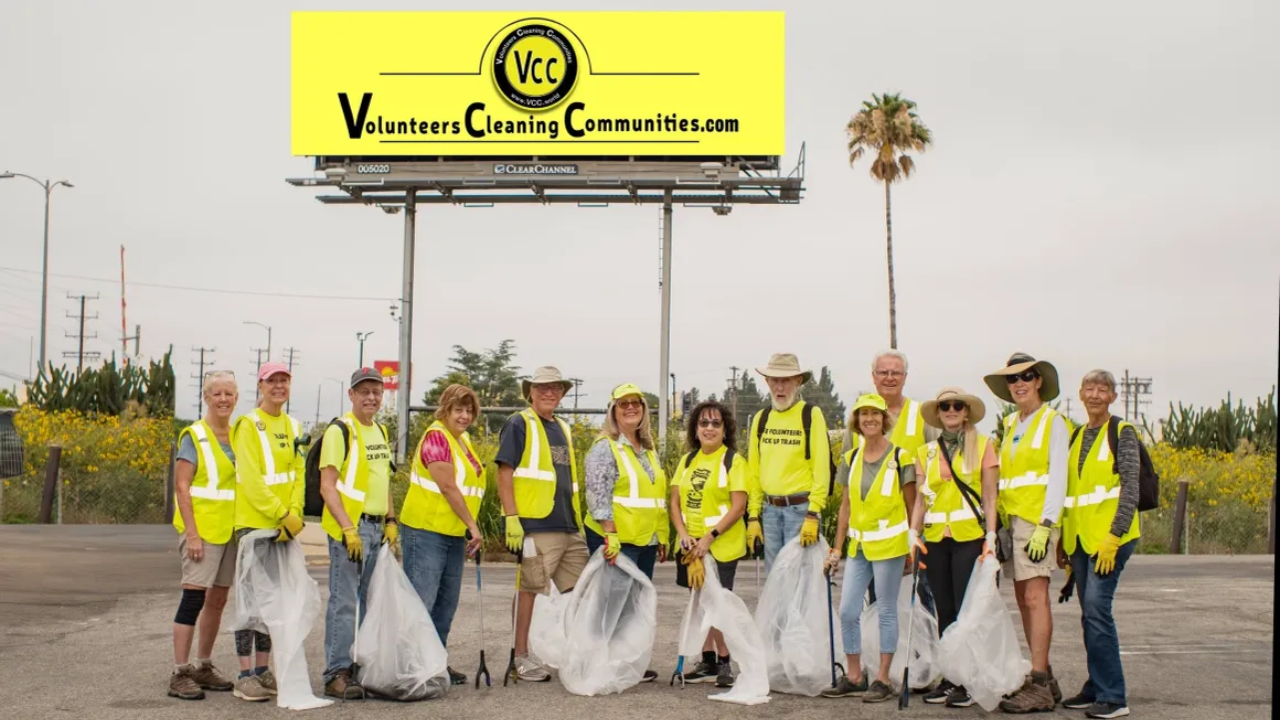
That single, simple action snowballed into something wild. Today, her grassroots creation—Volunteers Cleaning Communities—has hauled away roughly 750,000 pounds of garbage across California valleys.
The Power of a Single Grocery Bag
Most people see trash on the sidewalk and walk right past it. We assume someone else will deal with it, or we think the city has it covered. Jill realized quickly that municipal crews can't be everywhere.
On day two of her new cleaning routine, neighbours noticed. They shouted words of encouragement. That positive energy gave her an idea. She hopped on the Nextdoor app, dropped a casual invite telling people where she'd be with a coffee shop meetup spot at 8 AM, and waited to see what would happen.
She expected maybe one or two curious souls. Instead, a dozen people showed up.
They cleaned a local park together, grabbed coffee afterward, and immediately asked the obvious question: When can we do this again?
Scaling a Local Walk Into a Valley-Wide Force
What started as a solo habit turned into a structured routine. Jill and a rotating crew began meeting regularly for two-hour stretches of walking and scrubbing. They targeted streets, local parks, and even stretches of State Route 118.
They didn't wait for grants or corporate backing. The group funded their gear by turning in the recyclables they pulled off the streets. Every aluminum can and plastic bottle went toward buying heavy-duty garbage bags, safety vests, and backpacks.
As pandemic restrictions faded, the numbers exploded. Over 100 people started showing up every single week.
Building More Than Just a Clean Neighborhood
You can't sustain a volunteer group on trash alone. Burnout kills community projects faster than funding shortages. Jill understood this instinctively.
She kept morale high by layering fun into the hard labor. Every three months featured a game night. Every month brought a birthday celebration. The group stopped being a random cleanup crew and turned into an actual family. Bonds formed organically. Friendships deepened, and community ties grew tight. Some members even found love, leading to weddings born out of morning garbage bags.
Emilie Koster, a former UCLA volunteer who joined after pandemic layoffs, put it plainly: it is infinitely easier to tackle heavy community problems when you surround yourself with like-minded people who refuse to stay passive.
Why Grassroots Action Wins
Big environmental summits and complex policy debates matter, but they don't clean your local park this Tuesday morning. Jill Mather's story proves a straightforward truth. Change doesn't require permission. It requires a pair of comfortable shoes, a bag, and the willingness to take the first step.
That 750,000-pound milestone didn't happen because of a massive corporate mandate. It happened one discarded bottle at a time.
Grab a bag on your next walk. You might just start a movement.