Sixteen months. One thousand and forty-two job applications. Zero offers.
If you're blind from birth and trying to break into the UK workforce, that is the brutal reality you might face. Most people would throw their hands up in absolute defeat after the first hundred rejections. Automated resume screening filters weed you out before a human ever reads your name. Employers panic about accommodations they don't understand.
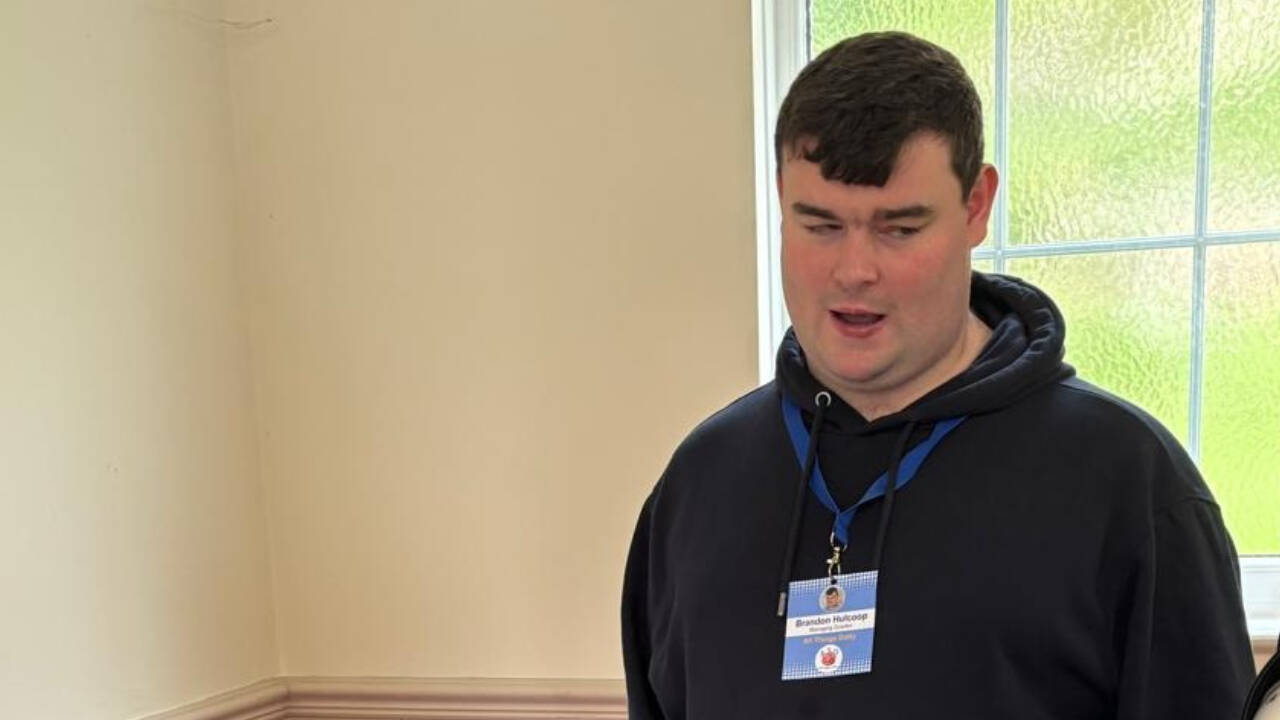
Brandon Hulcoop didn't quit. When the traditional job market slammed every door in his face, the twenty-three-year-old built his own house.
Today, his accessibility enterprise, All Things Dotty, is changing how everyday items work for visually impaired people. He just bagged the prestigious King's Trust Young Achiever Award at the Pride of Britain Awards and even shook hands with King Charles. His story exposes the deep cracks in modern hiring practices and proves why self-reliance beats waiting for corporate charity every single time.
The Reality of Job Hunting While Blind
Let's talk about what happens when you send out over a thousand CVs and hear nothing back except automated silence.
The corporate world loves to talk about diversity and inclusion on glossy corporate websites. Job portals ask you to voluntarily disclose disability status, promising equal consideration. But behind the curtain, hiring managers often default to risk aversion. They worry about insurance liabilities, screen reader software compatibility, and office logistics.
Brandon experienced this systemic failure firsthand. For over a year, he applied for everything he was qualified for. Month after month passed with rejections piling up in his inbox. It drains your confidence. It makes you question your worth.
Instead of internalizing that rejection, he realized the hiring pipeline itself was completely broken. If companies weren't going to hire him, he had to create value on his own terms.
Building a Business Out of Sheer Spite and Necessity
Turning frustration into a commercial enterprise sounds great on a motivational poster, but doing it at twenty-three with zero capital requires grit.
Brandon turned to The King's Trust Enterprise program for guidance. That bootstrap mentoring helped him pivot from job seeker to founder. He launched All Things Dotty to fix gaps in the market that most able-bodied product designers never even notice.
What does his business actually do? It manufactures and curates tactile everyday items that bridge the gap between sighted and visually impaired households. Think about things you take for granted:
- Braille-formatted board games and card games that families can play together without anyone feeling left out.
- Custom tactile greeting cards and coloring books.
- Tactile menus for restaurants looking to genuinely welcome visually impaired diners rather than treating them as an afterthought.
He isn't just selling products. He is designing autonomy.
Advocacy Beyond the Balance Sheet
Starting a company wasn't enough for Brandon. He noticed that systemic barriers extended far beyond retail goods, so he expanded his mission.
He founded the UK Sight Loss Collective. This body acts as a direct bridge between public bodies, government offices, and real people dealing with sight loss. When policies are drafted in a vacuum by bureaucrats who have never navigated a city street with a white cane, communities suffer. The collective gives those communities a megaphone.
On top of running a business and lobbying for systemic policy change, Brandon keeps his schedule packed with grassroots community work:
- He provides free Braille tutoring to individuals on low incomes.
- He mentors younger disabled folks trying to break into hostile job markets.
- He visits schools to talk about disability inclusion, dismantling prejudices before they take root in kids' minds.
- He serves as an official ambassador for Devon in Sight, a regional sight loss charity.
Why This Recognition Matters Now
Winning the King's Trust Young Achiever Award at the Pride of Britain Awards isn't just about collecting a shiny trophy. It puts real weight behind grassroots entrepreneurship.
When Brandon met King Charles in London ahead of the awards ceremony, it highlighted a broader cultural shift. People are tired of hearing corporate soundbites about accessibility. They want to see tangible products built by people who actually understand the problem.
The numbers tell the story. Thousands of young people face long-term unemployment because traditional recruitment systems cannot process non-traditional candidates. Brandon's success proves that the smartest move you can make when the system rejects you is to build an alternative right beside it.
Stop waiting for permission to change your industry. Take a hard look at where you're being locked out, and build the door yourself.