Hitting a deer or an elk on a dark highway is a terrifying experience that ruins vehicles and ends lives. For decades, drivers just accepted roadkill and shattered windshields as an unfortunate fact of traveling through the American West. But states like Oregon and Utah got tired of waiting for accidents to happen and decided to engineer a permanent fix.
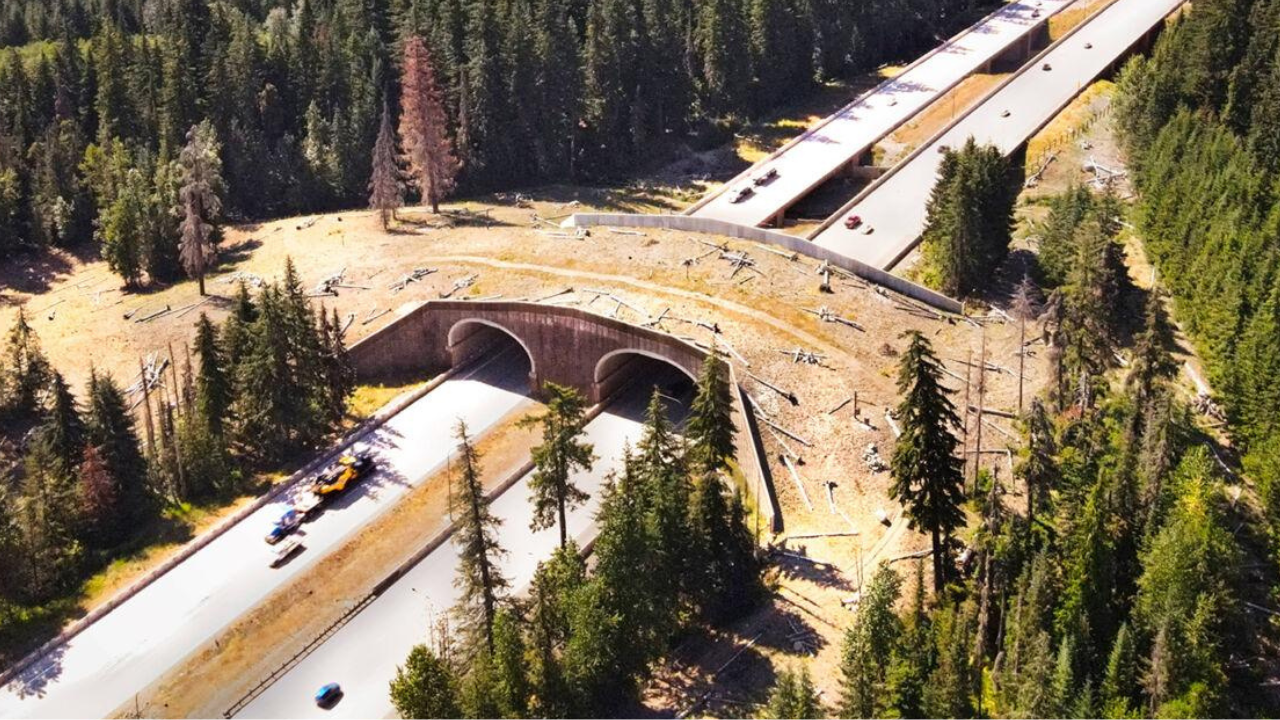
Together, these two states have built more than 130 wildlife crossings, including overpasses, underpasses, and culverts that let animals bypass busy traffic zones entirely. These aren't just random tunnels thrown under dirt roads. They are carefully planned structures paired with high fencing that actually guide migrating herds where they need to go.
The Real Numbers Behind Highway Collisions
If you've ever wondered why transportation departments suddenly care about mule deer and elk, look at the sheer scale of the problem. According to data tracked by The Pew Charitable Trusts and the US Department of Transportation, more than one million wildlife-vehicle collisions happen across the United States every single year.
Those crashes translate to roughly 26,000 injuries and more than 200 human fatalities annually. Financially speaking, the damage is staggering. Vehicle repairs, medical bills, and insurance claims cost the US economy over $10 billion every year. Large mammals like elk and moose don't just bounce off bumpers; they act like literal brick walls, often flipping cars and causing catastrophic injuries.
When you look at those statistics, building an overpass starts looking remarkably cheap. Studies compiled by the Federal Highway Administration show that combining wildlife crossings with directional fencing can reduce collisions involving deer and elk by 80% to over 90%. A single well-placed crossing can prevent an estimated 1,400 wildlife-vehicle collisions over its working lifespan.
How Utah and Oregon Are Funding the Future
Building heavy infrastructure isn't cheap, but both states figured out how to secure reliable funding streams instead of relying on temporary budget scraps.
Utah has been playing the long game for a very long time. Back in 1975, the Utah Department of Transportation installed one of the nation's earliest wildlife bridges on Interstate 15 near Beaver. Since then, the state has quietly built more than 50 crossings. Recently, Utah stepped up its commitment by approving legislation to create a dedicated wildlife crossing fund receiving $2 million annually to build out future hot spots.
Oregon took a creative route to solve its funding puzzle. Lawmakers approved a measure adjusting the state's lodging tax starting in 2027, earmarking a portion of those tourism-driven dollars directly for conservation programs, habitat restoration, and wildlife crossing infrastructure. That dedicated revenue stream generates roughly $2 million every year specifically for corridor projects.
They aren't alone, either. Recent legislative sessions in Idaho and Virginia show that other states are finally copying this blueprint. Bipartisan support is surging because lawmakers from both sides of the aisle realize that saving human lives and protecting local wildlife is a complete win-win.
Beyond Road Safety: Fixing Fragmented Habitats
Roads carve concrete scars across ancient migration routes. When highways cut through natural landscapes, they isolate animal populations, trap herds away from seasonal food sources, and throttle genetic diversity.
Trail cameras deployed near these crossings capture thousands of successful journeys. Mule deer, black bears, mountain lions, bobcats, and tiny critters all use these bridges and culverts. They don't need a user manual to figure them out. Once the native plants take root on top of an overpass, it looks and feels like natural terrain.
If you live in or travel through regions prone to heavy wildlife movement, pay close attention to roadside fencing and warning signs. They mark the exact zones where engineers are trying to keep you safe. Support local funding measures when they appear on your ballot, because safer roads benefit everyone sharing the highway.