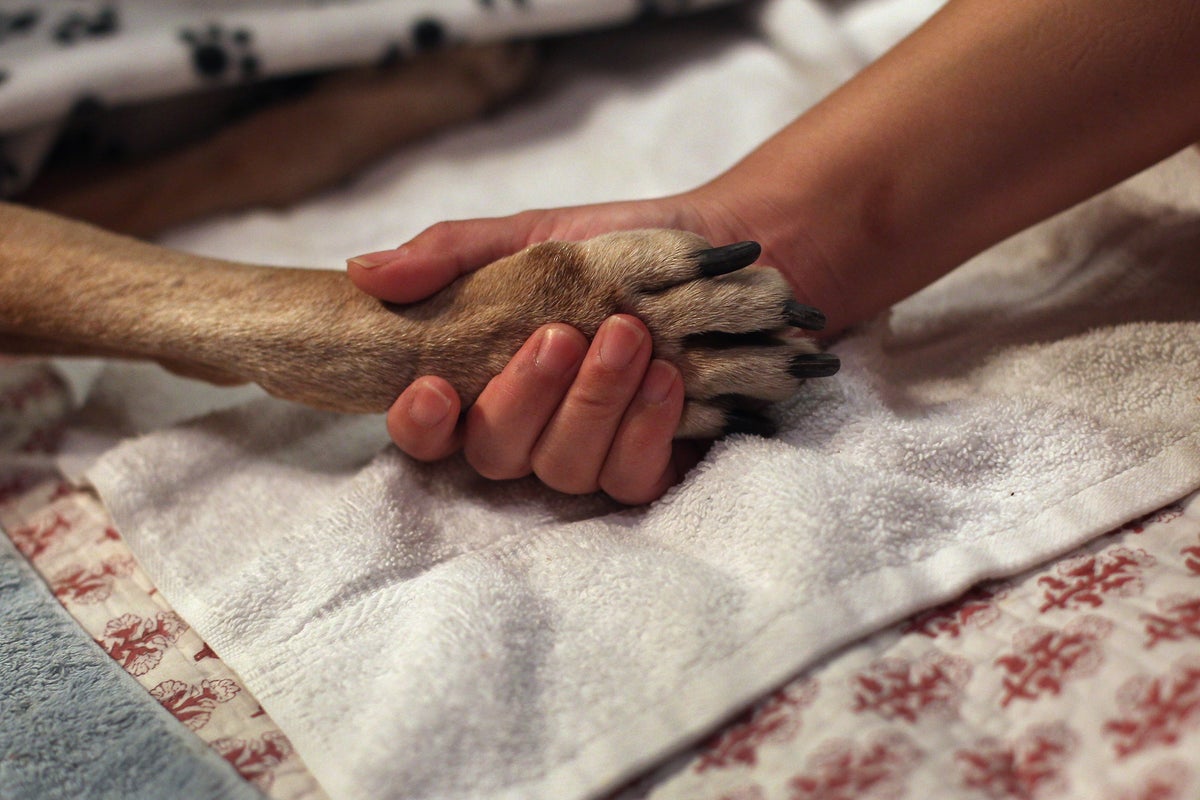
Technology fails when we trust it blindly. An Oregon veterinarian is now finding out the hard way, filing a lawsuit against an artificial intelligence company after a misdiagnosis allegedly led to the tragic death of an 11-year-old dog.
When algorithms enter the examination room, the stakes change instantly. This case isn't just about a single tragic loss. It exposes a massive, unregulated frontier in veterinary medicine where software companies make bold claims, and living animals pay the price.
What Actually Happened in the Oregon Lawsuit
Details emerge from legal filings showing that the veterinarian relied on automated diagnostic tools to evaluate a cancer tumor. Instead of catching the illness early, the system allegedly failed completely.
Worse yet, the lawsuit claims that the company behind the software, Zoetis, altered its original report after the fact. According to the complaint, a company representative later admitted in a phone call that similar misidentifications had already happened to other clients.
Let that sink in. Software developers deploy diagnostic products into veterinary clinics, watch them misdiagnose patients, and apparently keep quiet until a lawsuit forces their hand.
The Wild West of Veterinary Software
We regulate human medical devices heavily. The Food and Drug Administration scrutinizes software that diagnoses human diseases, requiring clinical trials and proof of safety.
Animal health care operates under entirely different rules. Companies can market diagnostic algorithms to veterinarians with a fraction of the oversight. Vets face immense pressure to stay efficient, seeing dozens of patients a day. Turning to software for quick analysis feels like a smart shortcut.
Except these algorithms aren't infallible. Machine learning models rely on pattern recognition from limited datasets. If a tumor looks slightly outside the norm, the software guesses. And unlike a human pathologist who says "I am not sure, let's run another test," an algorithm spits out an answer with absolute digital confidence.
Why Vets and Pet Owners Are Vulnerable
You walk into an animal hospital expecting science and empathy. You trust that the tools your vet uses have been rigorously tested.
Veterinarians are trapped in a difficult spot. Corporate consolidators buy up independent clinics, demanding higher profit margins and faster appointment turnover. Tools that promise rapid diagnostic results look irresistible.
Veterinary medicine is changing fast, but marketing hype routinely outpaces clinical reality. Software companies pitch their products as cutting-edge assistants, but when things go wrong, liability shifts entirely back to the practitioner holding the scalpel.
The Bigger Picture of Tech Accountability
We have seen this script before in other industries. Autonomous driving software blames the human driver for not taking over quickly enough. Financial algorithms blame market volatility for flash crashes. Now, diagnostic software companies will likely argue that their product is merely a "decision support tool," putting the final blame back on the veterinarian who trusted it.
That defense shouldn't fly. If a company alters diagnostic reports after a failure and admits to a pattern of silent errors, you are looking at corporate negligence, not a simple software glitch.
Pet owners deserve transparency. If an algorithm assists in your dog's cancer screening, you have a right to know its error rate. You have a right to know whether the vet made the call or if a black-box program made it for them.
Practical Steps for Pet Owners
Don't panic, but start asking harder questions at your next vet visit.
- Ask your veterinarian how they verify diagnostic test results, especially for complex conditions like tumors or biopsies.
- Inquire whether third-party software or artificial intelligence played a role in reading lab work or imaging scans.
- Always request second opinions from human veterinary pathologists for high-stakes diagnoses like cancer.
Technology belongs in medicine, but it should never replace critical thinking. Demand transparency from your veterinary care providers, and never assume software is right just because it runs on a screen.
How AI is changing veterinary medicine and diagnostics
This video provides an overview of how automated tools and legal challenges surrounding machine learning are currently impacting professional practices.
http://googleusercontent.com/youtube_content/1