Trade wars are expensive, messy, and loud. Canada's latest answer to border pressures is a fresh chunk of cash aimed squarely at domestic supply chains.
Ottawa just rolled out a $100-million freight rebate program. The goal? Getting Canadian manufacturers to stop buying American or foreign steel and start buying local instead.
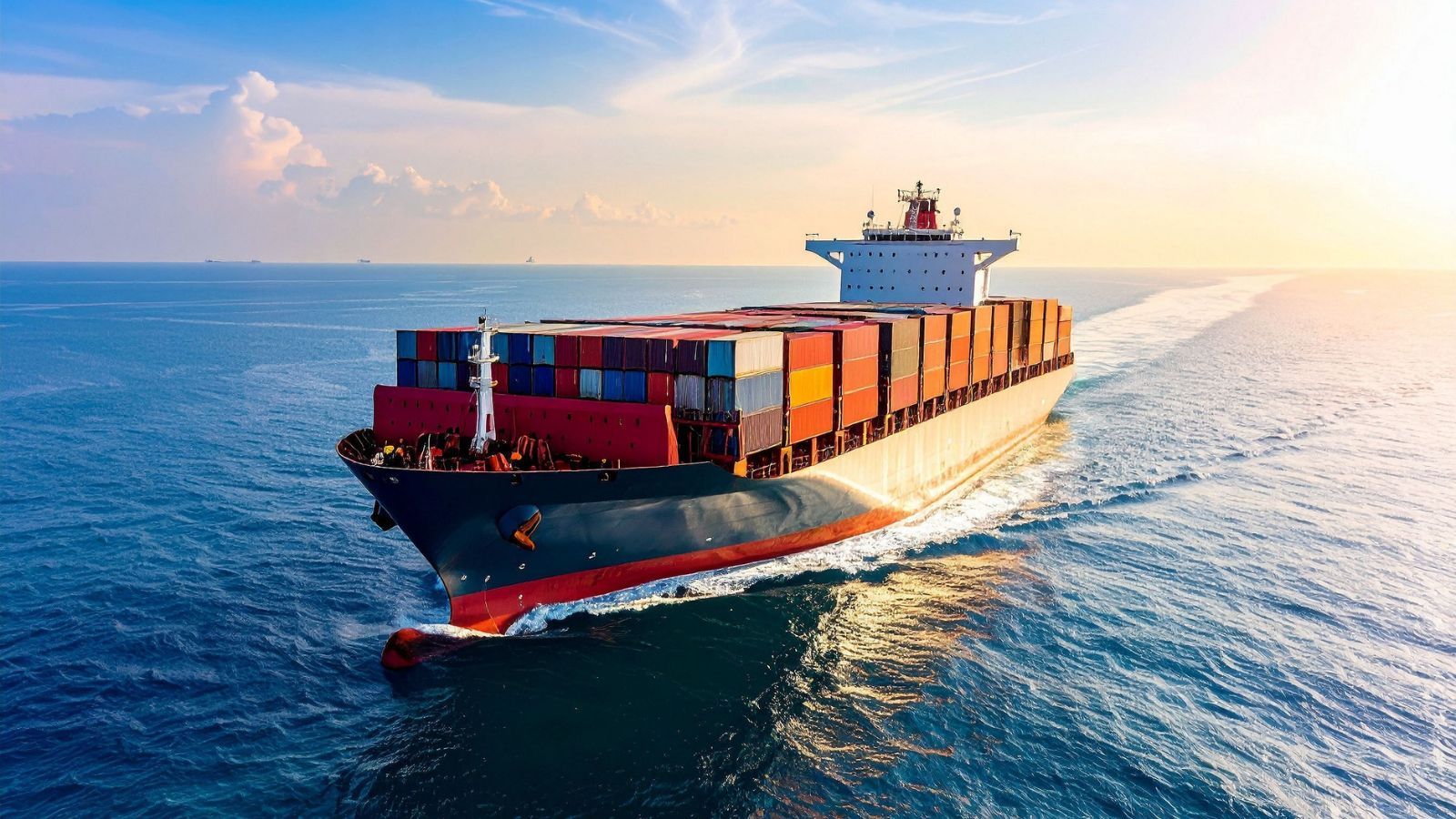
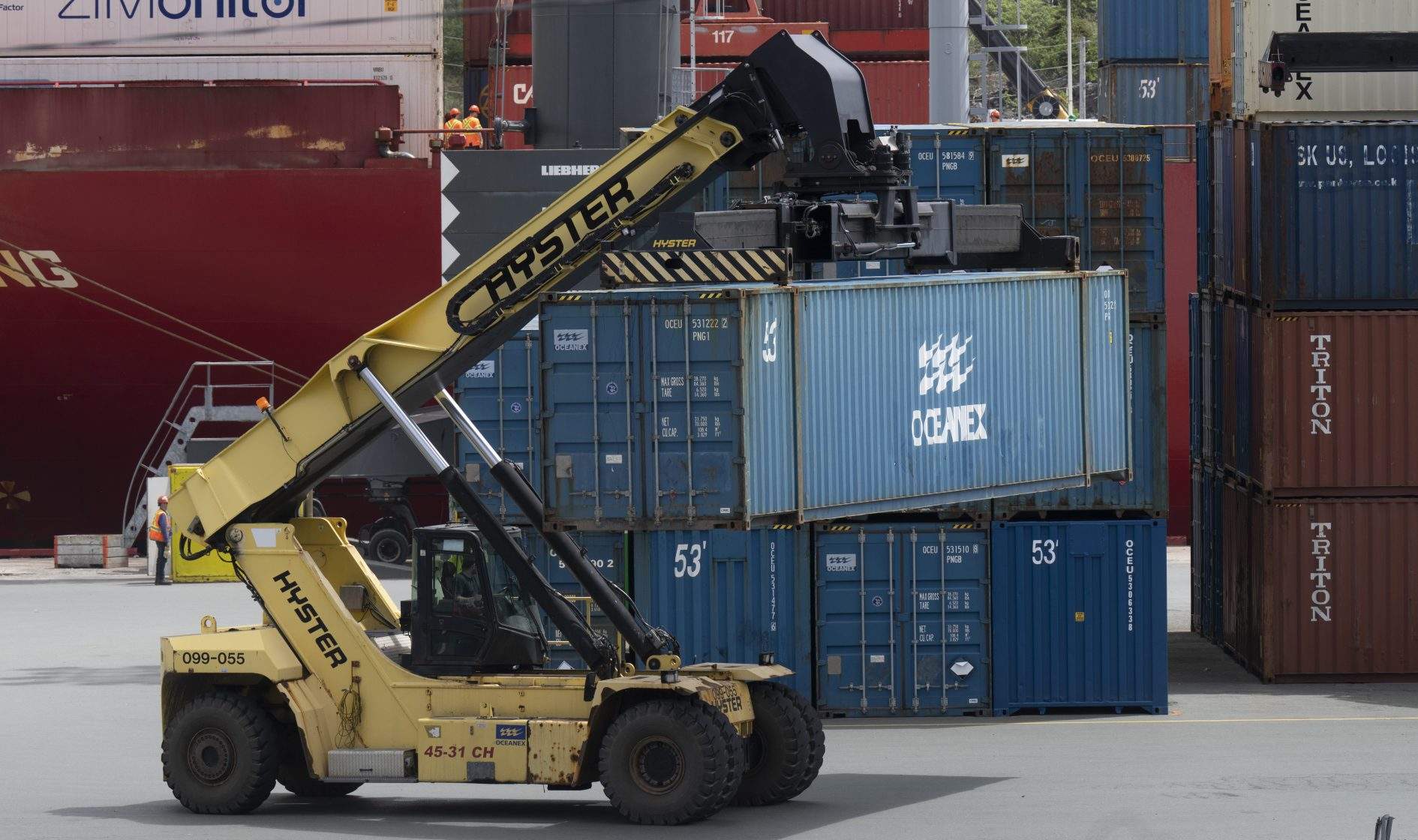
Transportation Minister Steven MacKinnon announced the program to cover half of the shipping costs for eligible domestic steel sent by rail or marine freight across provincial and territorial borders. If you run a manufacturing plant that relies on heavy metal, this program tries to offset the brutal cost of moving freight across a massive country.
How the Steel Shipping Rebate Works
Moving goods across Canada hurts your bottom line. Long distances, high fuel prices, and limited rail corridors mean domestic freight often costs more than importing from nearby U.S. states.
The new federal relief initiative attempts to fix that math. Here are the core mechanics of how the funding operates:
- Fifty percent coverage: The federal government covers half of eligible freight costs for moving Canadian-origin steel.
- Transport modes: The rebate applies specifically to rail and marine shipping. Truck transport is currently left off this list, which has already sparked questions from industry operators.
- Strict origin rules: Only products manufactured or sourced locally within Canada qualify, and they must have a domestic destination.
- Timeline constraints: Applications opened immediately, but the fund runs only for a year or until the $100 million pool drains completely.
If you want a piece of this funding, you need to move fast. Programs with fixed funding pools usually drain way quicker than anticipated once medium and large manufacturers flood the portal.
The Real Problem With Interprovincial Trade
Let's be honest. Shipping steel from Ontario to Western Canada often feels harder than shipping it across the border from an American mill.
Internal trade barriers inside Canada have choked domestic commerce for decades. While Ottawa's new freight subsidy acts as a helpful bandage, it doesn't solve the structural transit gridlock plaguing rail lines and port authorities. Manufacturers frequently complain about equipment shortages and delayed rail schedules.
When a trade war forces a country to look inward, supply chains groan under the pressure. Canadian steel producers have capacity, but connecting that capacity to distant domestic buyers requires reliable logistics. Paying half the freight bill helps, but only if the trains actually show up on time.
What This Means for Forestry and Other Sectors
Steel is just the guinea pig. Ottawa's recent announcement came with a heavy hint that similar support packages are heading toward the forestry sector.
Forestry companies have absorbed heavy blows from shifting global trade patterns and relentless U.S. duties. If the federal government expands these freight rebates to lumber and paper, expect a massive scramble for administrative bandwidth.
Your Next Steps
Don't wait around for your competitors to figure this out. If your operations rely on Canadian steel and cross-provincial rail or marine freight, pull your shipping manifests from the last two quarters immediately.
Talk to your logistics coordinator today. Verify whether your current suppliers meet the strict "Canadian in origin" standard required by the portal. Submit your claims early before the hundred million runs dry.