Voters didn't just send a message in last week’s midterms. They blew up the board.
Democrats swept control of both the House of Representatives and the Senate, securing their largest majorities since 2008. If you're wondering what broke the camel's back for millions of Americans, look no further than grocery bills, gasoline prices, and a foreign conflict most people never wanted in the first place.
A fresh Reuters/Ipsos poll reveals that 71% of Americans want the newly elected Democratic Congress to pass legislation putting an immediate stop to the U.S. conflict with Iran. That isn't just a partisan split. It's a cross-party landslide, with 93% of Democrats and a staggering 51% of Republicans saying enough is enough.
The Economic Breaking Point
Let's be honest about why this war became radioactive so fast. Wars cost money, but this one started hitting kitchen tables within weeks.
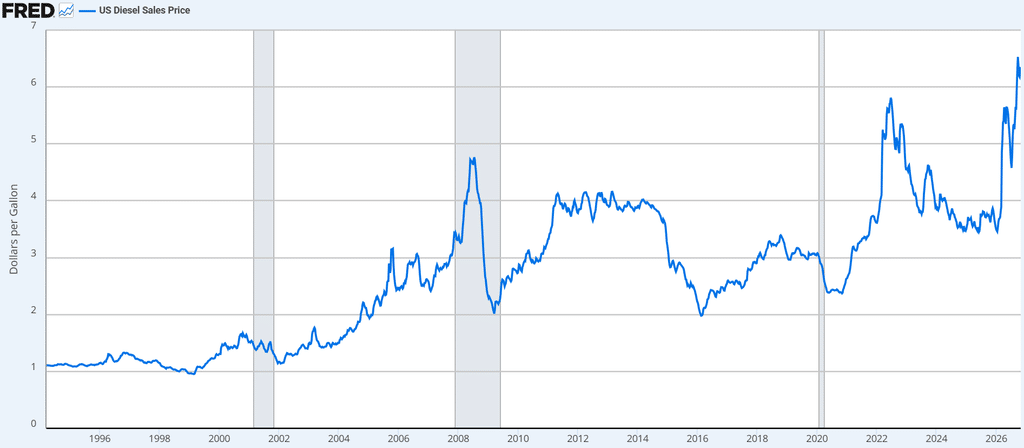
When the conflict kicked off alongside Israel back in February, oil shipments through the Strait of Hormuz faced immediate disruptions. Gas prices didn't just creep up—they spiked by roughly 45% compared to pre-war baselines, pushing pump prices past $4.33 per gallon in many parts of the country.
Add in the broad import tariffs slapped on goods by the Trump administration, and you have a recipe for compounding inflation. Households were squeezed from every direction. Nearly nine in ten voters pointed to the cost of living as the absolute deciding factor in their midterm choices.
President Donald Trump defended the military action as a non-negotiable step to stop Iran from getting a nuclear weapon. But the public math simply stopped working out. Polling data shows that the vast majority of citizens concluded the price tag—both in taxpayer dollars and everyday inflation—far outweighed any stated strategic gain.
A Bipartisan Demand for Change
Politicians in Washington love to talk about deep polarization, but public fatigue over foreign entanglements cuts right through party lines.
When over half of self-identified Republicans join more than nine out of ten Democrats on the exact same policy position, you are looking at a rare moment of national consensus. People are tired of watching trillions of dollars vanish into overseas conflicts while their own purchasing power shrinks.
Party leaders on the Democratic side have already signaled that they plan to test their new majorities by forcing legislative votes to cut off funding for the Iran campaign. They're also eyeing efforts to roll back import tariffs, which 62% of poll respondents said they strongly support repealing.
Of course, passing bills through a divided Washington is never a clean walk in the park. Even with majorities in both chambers, Democrats face a complex legislative battlefield. Veto threats, procedural hurdles, and fierce pushback from loyalist lawmakers mean that ending the conflict won't happen overnight.
What Happens When the New Congress Swears In
The clock is ticking toward January 3, when the newly minted Congress officially takes power.
Voters made it clear that they expect immediate action on domestic economic relief and a rollback of policies that drove up household expenses. If lawmakers fail to address public anger over the cost of living and the ongoing conflict in the Middle East, the political blowback won't take long to surface.
The political landscape has fundamentally shifted. Leaders who ignore what seven out of ten citizens are demanding do so at their own peril.