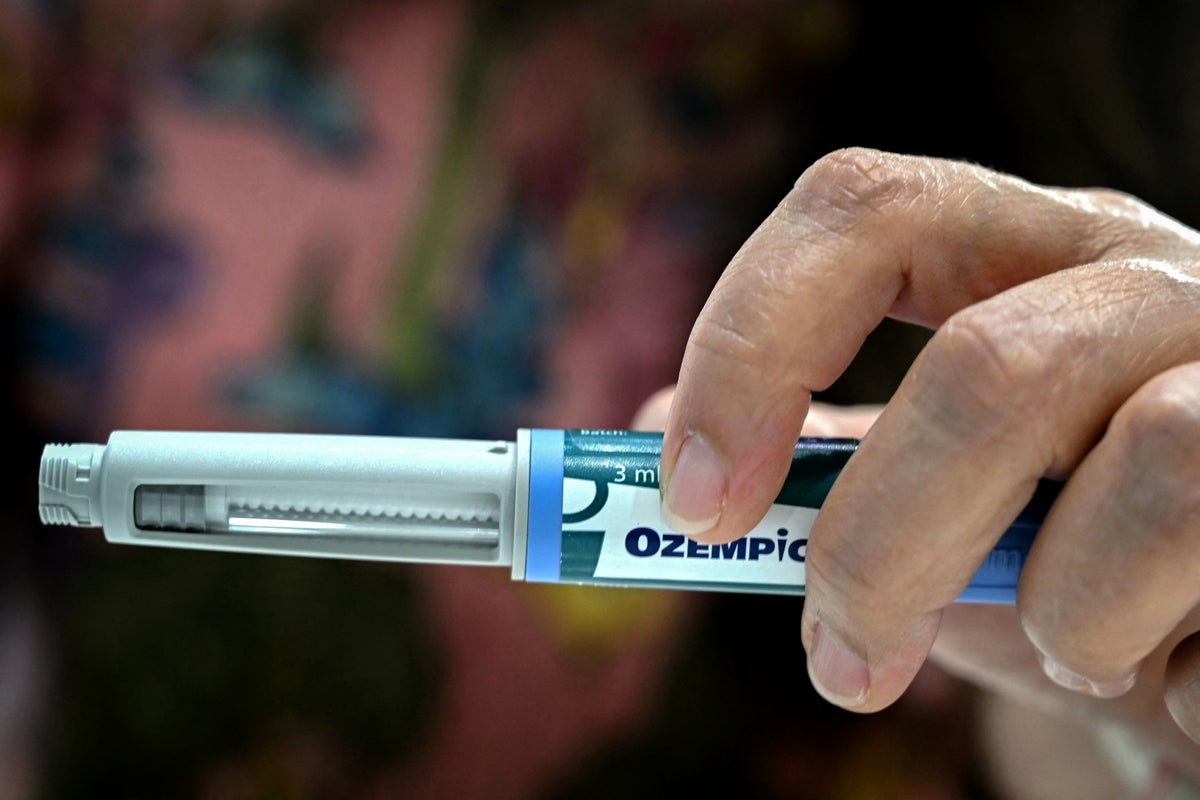
Millions of people take Ozempic to manage diabetes or lose weight, but a strange theory is making the rounds: could a weekly injection actually help lower violent crime rates? It sounds absurd. A diabetes drug altering criminal behavior? Yet criminologists are looking closely at new data, and the answers are more complicated than simple headlines suggest.
Let's clear the air immediately. Ozempic doesn't magically turn hardened criminals into saints. What recent research does show is a fascinating connection between GLP-1 medications and the way human brains handle impulsivity.
The Science Behind the Impulse
A study published in the journal Criminology by researchers at Rutgers University turned heads across both the medical and legal fields. They analyzed survey data involving thousands of U.S. adults, focusing closely on a subset of over 800 individuals who had used GLP-1 receptor agonists.
The results were striking. For most people, high impulsivity and heavy alcohol use serve as reliable predictors for violent behavior like fights or assaults. But among current users of medications like Ozempic and Wegovy, that connection weakened dramatically.
Specifically, the link between being impulsive and committing violent acts was roughly 62% weaker in current drug users compared to former users.
Why would a weight-loss drug change a person's temper? It comes down to how these medications interact with the brain. We already know that GLP-1 receptor agonists quiet down "food noise" and blunt cravings for alcohol and other substances. They target reward pathways and dopamine regulation.
Researchers describe the effect as similar to cognitive behavioral therapy. The drug doesn't necessarily erase a person's underlying impulsive personality traits. Instead, it appears to slow down the dangerous leap from an idle thought to a rash action. It gives the brain enough breathing room to pause.
Separating Correlation From Causation
It is easy to look at broad trends and draw wild conclusions. Crime rates fluctuate due to a thousand different economic and social factors. Poverty, local policing strategies, employment rates, and community structures all play massive roles in criminal activity. Attributing a nationwide shift in violent crime entirely to a blockbuster pharmaceutical is sloppy science.
The researchers themselves are quick to pump the brakes. The study was observational, meaning it points out associations rather than absolute cause and effect. People who take Ozempic might differ from the general population in other lifestyle aspects that investigators haven't fully measured yet.
Furthermore, while the drop in the impulse-to-violence link was strong, other factors like alcohol moderation showed mixed consistency across different sensitivity checks. Science requires replication, longitudinal tracking, and controlled clinical trials before we can state that a weekly pen injection prevents assault.
What This Means Moving Forward
We are standing at the intersection of metabolism and neurology. For decades, medicine treated mental health, addiction, and physical metabolism as entirely separate categories. We now know the gut-brain axis controls far more than our appetite.
If these drugs successfully quiet reward-seeking behaviors and lower substance dependence, the ripple effects will touch fields far beyond endocrinology. Criminologists and public health officials will have to pay attention to how pharmacological interventions alter societal behavior on a macro scale.
Don't expect courts to start handing out prescriptions instead of probation anytime soon. Crime remains a complex sociological crisis rooted in human environment and systemic inequality. Pills cannot replace social infrastructure.
Yet, as millions continue using these treatments, tracking these behavioral side effects remains critical. Watch the upcoming clinical data closely. The future of crime prevention might come from an unexpected shelf in the pharmacy.