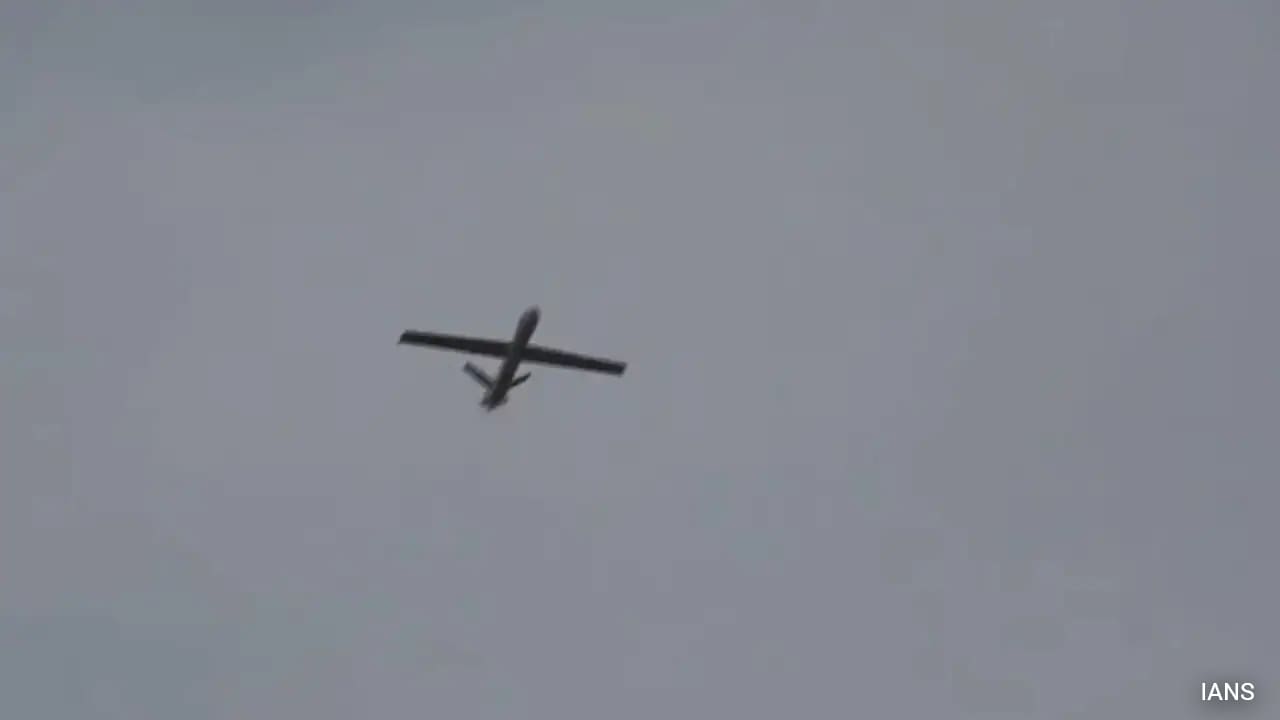
The border between Pakistan and Afghanistan is officially on fire. If you thought the region was heading toward a quiet status quo under Taliban rule, the sudden outbreak of full-scale cross-border military strikes has shattered that illusion completely. When reports broke with titles screaming Afghanistan Carries Out Airstrikes In Pakistan Amid Rising Tensions, people were shocked. It turns out the reality on the ground is a chaotic mix of Pakistani air campaigns inside Afghanistan and aggressive, heavy-artillery retaliations by Afghan Taliban forces targeting Pakistani military posts.
This isn't just another brief border skirmish. This is a dangerous shift in South Asian security.
The Breaking Point on the Durand Line
For decades, the Durand Line has been a messy, disputed boundary. Pakistan considers it a permanent international border, but Kabul has never recognized it. When the Taliban swept back into power in 2021, Islamabad expected a friendly neighbor that would help clamp down on anti-Pakistan militants. Instead, they got the exact opposite.
The immediate trigger for the current warfare stems from a massive surge in terror attacks inside Pakistan. Groups like the Tehrik-i-Taliban Pakistan (TTP) have been launching deadly raids into Pakistan’s frontier provinces from safe havens across the border. Pakistan’s patience finally snapped. The Pakistani military launched a series of intense air operations, code-named Operation Ghazab lil Haq, striking deep into Afghan provinces like Khost, Kunar, and Paktika.
Kabul didn't take this sitting down. Instead of cowering, the Afghan Taliban deployed heavy weaponry, launching retaliatory artillery barrages and direct assaults on Pakistani border positions. They claimed to have killed and captured dozens of Pakistani troops in early border clashes. The media noise around Afghanistan carrying out airstrikes or major counter-offensives highlights a terrifying truth. The two nations are essentially locked in an open war.
What the Mainstream Media Leaves Out
Most news articles give you the basic body count and move on. They don't look at the deeper mechanics of why this explosion happened now.
First, look at the staggering internal pressure inside Islamabad. Pakistan’s leadership is dealing with an economic mess and political instability. Facing public rage over rising terror attacks, the military had to draw a hard line. Defence Minister Khawaja Asif warned weeks ago that cross-border operations were coming if Kabul didn't restrain the TTP. The Taliban ignored the warning. They view the TTP as ideological brothers, not chess pieces to be traded away.
Second, the human cost is vastly underreported or buried under propaganda. Independent reports from the United Nations Assistance Mission in Afghanistan (UNAMA) reveal a grim picture. Hundreds of civilians have been caught in the crossfire of these Pakistani air raids. Entire villages have been leveled in places like Kunar, with reports indicating that young children make up a heartbreaking portion of the casualties. This collateral damage is radicalizing locals and giving the Afghan Taliban all the political fuel they need to keep fighting.
Why This Regional Crisis Matters to You
You might think a border war in Central Asia doesn't affect your daily life. You'd be wrong. When two nuclear-adjacent regions destabilize, the shockwaves travel fast.
- Global Security Disruption: A collapsing relationship between these two states creates a massive vacuum. With Pakistan focused on its western border, groups like ISIS-K and the TTP get more room to breathe, plan, and export global terror.
- Refugee Pressures: The UN Refugee Agency (UNHCR) estimates that well over 100,000 Afghan civilians have already been displaced by the fighting. This puts immense pressure on humanitarian corridors and neighboring nations.
- The Indian Angle: Neighbors are watching closely. New Delhi has already used the United Nations platform to criticize the civilian toll of Pakistan's military actions, complicating regional diplomacy.
How to Track This Situation Going Forward
Don't rely on state-sponsored press releases from either Islamabad or Kabul. Both sides are playing a massive information warfare game, inflating enemy casualties while hiding their own losses.
If you want to understand where this conflict goes next, watch the border trade terminals like Torkham and Chaman. When those supply lines shut down completely, it means a fresh round of escalation is imminent. Watch the diplomatic movements of regional heavyweights like China, which has massive economic investments in Pakistan and wants stability above all else. Keep an eye on independent satellite imagery analysts on social media. They show the actual damage to military installations, cutting right through the official lies.

:max_bytes(150000):strip_icc()/opera-garnier--paris--france--europe-173294974-5a2d8e5b4e4f7d0037eef37d.jpg)