Geopolitics rarely stays neat. Islamabad just learned this the hard way. Pakistan is caught in a high-stakes diplomatic trap, scrambling to patch things up with Riyadh after stepping back from direct military involvement against Yemen's Houthi rebels.
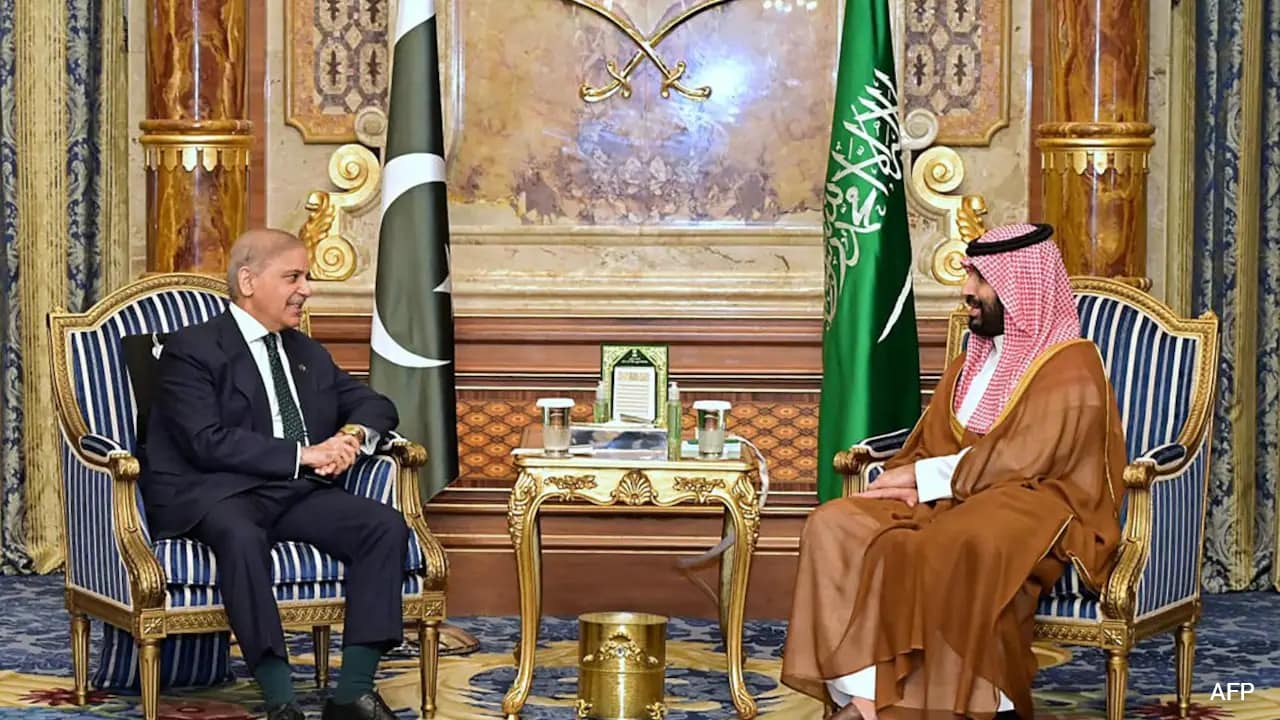
You cannot easily balance two rival regional heavyweights. Pakistan has tried for years. Prime Minister Shehbaz Sharif recently placed an urgent phone call to Saudi Crown Prince Mohammed bin Salman. The goal? Clear the air, soothe hurt egos, and undo the diplomatic damage caused when Islamabad hesitated to join a fight triggered by drone and missile attacks on Saudi oil infrastructure.
The High Cost of Backtracking
The trouble started when a projectile strike shut down Saudi Arabia's crucial East-West pipeline. This pipeline bypasses the volatile Strait of Hormuz, making it a critical asset for the Kingdom's oil exports. When the attack happened, Riyadh expected immediate solidarity from its allies under newly minted mutual defence frameworks.
Pakistan balked. Officials in Islamabad clarified that the recently signed trilateral pact involving Saudi Arabia, Turkey, and Pakistan did not automatically translate to launching offensive military operations against the Houthis. That hesitation infuriated Riyadh.
Pakistan faces an impossible calculation. On one hand, the cash-strapped nation depends heavily on Saudi financial bailouts, oil credits, and massive investments to keep its struggling economy afloat. On the other hand, Pakistan shares a long border region and deep historical ties with Iran, Tehran's proxy network includes the very same Houthis targeting Saudi assets.
Walking a Diplomatic Tightrope
If Pakistani troops engage the Houthis, Islamabad risks severe blowback from Iran. Tehran could retaliate by choking shipping lanes or stirring up domestic security trouble inside Pakistan. If Pakistan refuses to fight, Riyadh might pull the plug on vital economic lifelines.
Prime Minister Sharif, along with Army Chief Field Marshal Asim Munir, is working overtime to convince the Saudi leadership that Islamabad remains a steadfast ally. During their recent communications, Sharif offered full solidarity, condemning the strikes on civilian and economic targets. Words alone might not fix the underlying tension.
Riyadh needs security guarantees, not just diplomatic statements. Islamabad wants economic survival without getting dragged into an unwinnable quagmire in the Arabian Peninsula.
What Comes Next for Islamabad
The immediate crisis involves phone calls and hurried press statements. The long-term reality is much harsher. Pakistan has to decide whether its defence pacts are genuine security commitments or merely financial transactions meant to secure loans.
Expect more behind-the-scenes diplomatic maneuvering. Islamabad will likely keep offering mediation services between Riyadh and Tehran while dodging direct combat orders. Whether Saudi Arabia accepts this middle ground remains the ultimate question.
Keep a close eye on upcoming financial packages from the Gulf. They will tell you everything you need to know about whether Islamabad's damage control actually worked.