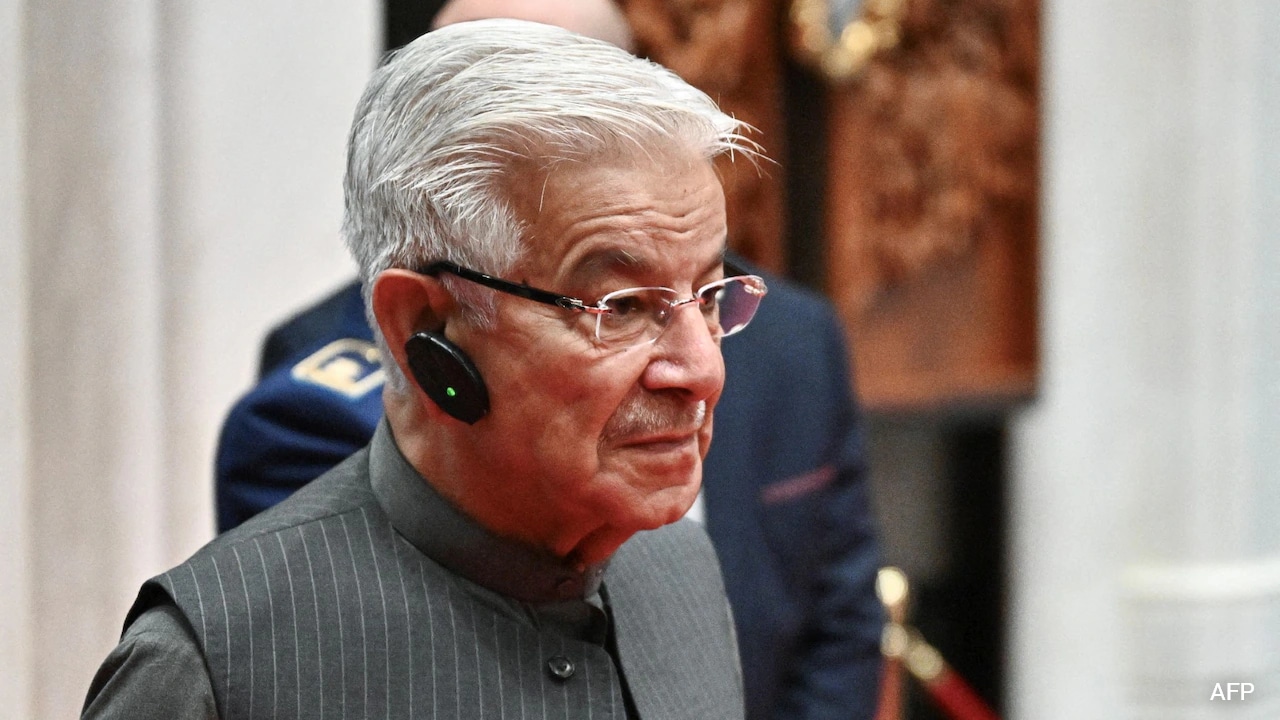
Geopolitics rarely operates on pure sentiment. It runs on survival, geography, and shifting alliances. When Pakistani Defense Minister Khawaja Muhammad Asif recently stood in Rome and declared that Islamabad would defend Saudi Arabia against Iran-backed Houthi rebels by "whatever means available," he wasn't just talking about diplomatic backing. He signaled a major recalibration of Middle Eastern defense lines.
The statement follows the creation of the Mecca Joint Defense Agreement signed on August 7, binding Saudi Arabia, Turkey, and Pakistan into a mutual security pact. Under this tri-nation framework, an attack on one is treated as an attack on all three. Now, as missile and drone strikes target Saudi infrastructure and the strategic Bab el-Mandeb Strait faces constant disruptions, this alliance is moving quickly from paper to active posture. Learn more on a similar issue: this related article.
Inside the Mecca Joint Defense Agreement
You can't understand Pakistan's heavy commitment without looking at the architecture of the new pact. For decades, Islamabad has walked a tightrope in Middle Eastern politics. It maintains deep, traditional defense ties with Riyadh while sharing a long, sensitive border and complex economic relations with Iran.
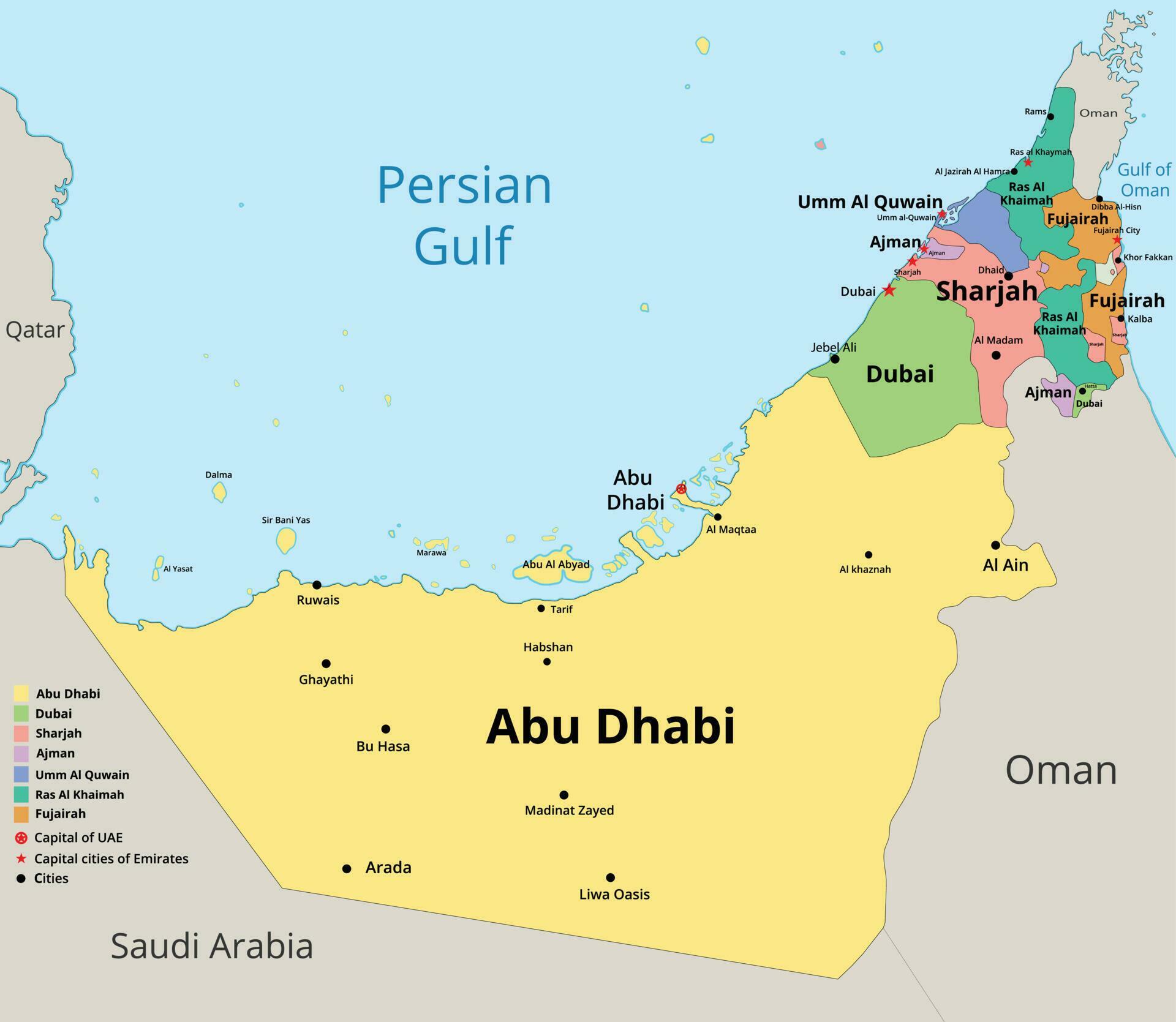
Yet, the escalation of Houthi attacks along Yemen's Red Sea coast forced a hard pivot. The rebels captured the port city of Mokha and crucial islands, directly threatening global maritime trade routes where roughly twelve percent of world commerce passes daily. Additional reporting by The Washington Post delves into similar views on the subject.
When the army chiefs of Pakistan, Turkey, and Saudi Arabia convened in Riyadh, they weren't planning a symbolic parade. They were building a command structure. A permanent secretariat is currently taking shape to coordinate military responses, testing the readiness of oil-rich Saudi wealth, Turkish drone and military technology, and Pakistan's vast conventional military experience.
The Proxy Dilemma and Regional Blowback
One of the most revealing aspects of Asif's recent statements is his assessment of Iran's control over its regional network. While Tehran denies directing every Houthi operation, military analysts have long pointed to extensive Iranian arms supplies.
However, Asif introduced a sharper observation. He suggested that some of these militias and proxies have effectively gone rogue, operating with dangerous independence while still utilizing Iranian-supplied hardware. That makes deterrence unpredictable. When you cannot rely on central command structures to rein in armed groups, traditional containment fails.
Saudi oil facilities and critical religious sites have repeatedly absorbed drone attacks, creating an intolerable security deficit for Riyadh. Existing Western-led security guarantees have proven inconsistent or slow to respond to the shifting threat matrix. That vacuum opened the door for Islamabad and Ankara to step in with a more localized, resolute defense umbrella.
What Pakistan Actually Brings to the Table
Critics often question what a financially strained Pakistan offers a wealthy Gulf kingdom. The answer is simple: raw military capability, combat-tested institutional expertise, and strategic depth.
Pakistan possesses one of the largest standing armies in the Muslim world, alongside elite special forces and deep logistical networks. While defense officials have carefully avoided discussing nuclear dimensions in relation to the Mecca pact, Islamabad's conventional deterrence and professional military cadre provide a heavy stabilizing weight that Riyadh has desperately sought.
At the same time, this entanglement carries domestic and regional risks. Iran views the pact with deep suspicion, warning that paper agreements with external powers will not bring long-term security. Pakistan's leadership knows that moving too aggressively could ignite sectarian tensions at home or permanently damage diplomatic channels with Tehran.
The Diplomatic Track Behind the Posturing
Military force is only one gear in this machinery. Even as Asif drew a hard line in Rome—stating explicitly that any enemy of Saudi Arabia is an enemy of Pakistan—Islamabad continues to keep back-channel negotiations alive.
Earlier this year, Pakistan hosted rare direct talks between Iranian and American officials in Islamabad, seeking an interim diplomatic breakthrough. Those efforts stalled after regional hostilities flared back up, but Pakistani diplomats have not abandoned the negotiation table.
The strategy is dual-tracked. On one side, military deterrence aims to raise the cost of Houthi aggression against Saudi infrastructure. On the other side, regional actors are quietly searching for an off-ramp before the Red Sea corridor becomes entirely untenable for global supply chains.
The stakes are far too high for empty rhetoric. Watch the operational output of the new tri-nation secretariat over the coming months to see if this alliance actually deters further escalation or drags South Asia deeper into the Gulf's unending proxy wars.