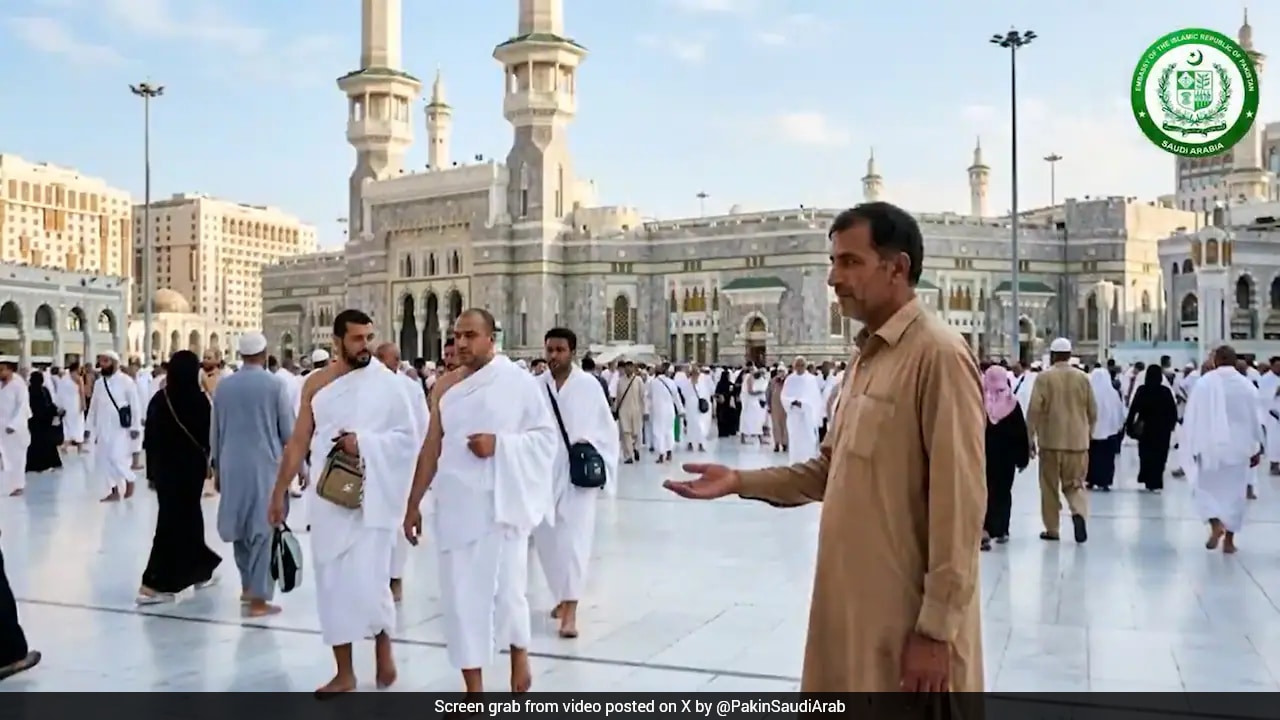
Pilgrimage is supposed to be an exercise in spiritual cleansing, humility, and devotion. But for some travellers leaving Pakistan, it has turned into an organized hustle.
The Pakistani embassy in Saudi Arabia recently issued a blunt, no-nonsense advisory warning citizens traveling for Hajj and Umrah against begging. Let's be honest: the fact that a government has to explicitly tell adults on a holy journey not to beg on foreign streets tells you everything you need to know about how bad the situation has gotten.
Saudi authorities have instituted a zero-tolerance policy toward panhandling. If you think you can slip past the rules or use a religious visa as a cover for illegal street soliciting, you are walking straight into a prison cell.
The Reality Behind the Crackdown
For years, law enforcement agencies have watched a disturbing trend unfold. Organized crime syndicates exploit standard pilgrimage and visit visas to traffic individuals into the Kingdom purely for begging.
Reports from international monitors and local authorities highlight an uncomfortable truth: a massive share of foreign nationals arrested for street begging abroad originate from Pakistan. When thousands of genuine believers scrape together their life savings to visit Makkah and Madinah, they find their national reputation hijacked by organized networks of scammers.
Saudi Arabia isn't playing games with security and public order anymore. The Kingdom's interior ministry has made it clear that anyone caught violating visa terms or engaging in illegal street activities faces immediate arrest, heavy fines, and rapid deportation.
To drill the message home, diplomatic missions have taken aggressive steps, even releasing digital awareness campaigns featuring simulated arrests to show citizens what awaits them if they break local laws.
Why Visas Are Getting Harder to Get
Actions have consequences, and ordinary citizens always pay the price for the actions of criminals. Because thousands abuse religious pathways to enter the Gulf states illegally, diplomatic friction grows.
If you are a legitimate traveler trying to book a spiritual journey, you've likely noticed tighter restrictions, longer verification checks, and increased scrutiny on visa approvals. Governments are choking off the supply lines of illegal operators, but the collateral damage affects everyone else.
Pakistani officials have promised strict action against travel agencies facilitating these fake pilgrimage rings. Law enforcement agencies are tracking down human traffickers who promise vulnerable people a cheap ticket to Saudi Arabia under the guise of ziarat (ziyarat), only to abandon them on the streets to beg.
Protecting Your Journey
If you are packing your bags for Hajj or Umrah, you need to protect yourself, your documents, and your country's reputation.
- Respect the terms of your visa: Never overstay, and never engage in unauthorized work or commercial soliciting.
- Avoid unofficial agents: Book through certified operators registered with official religious ministries to avoid getting caught up in trafficking networks.
- Keep your documents secure: Never hand over your passport to unverified local fixers or guides once you arrive in the Kingdom.
The days of treating sacred pilgrimages as a loophole for illegal migration or panhandling are over. Saudi authorities are watching closely, and the penalties are severe enough to ruin your life. Travel legally, respect local laws, and leave the hustle at home.