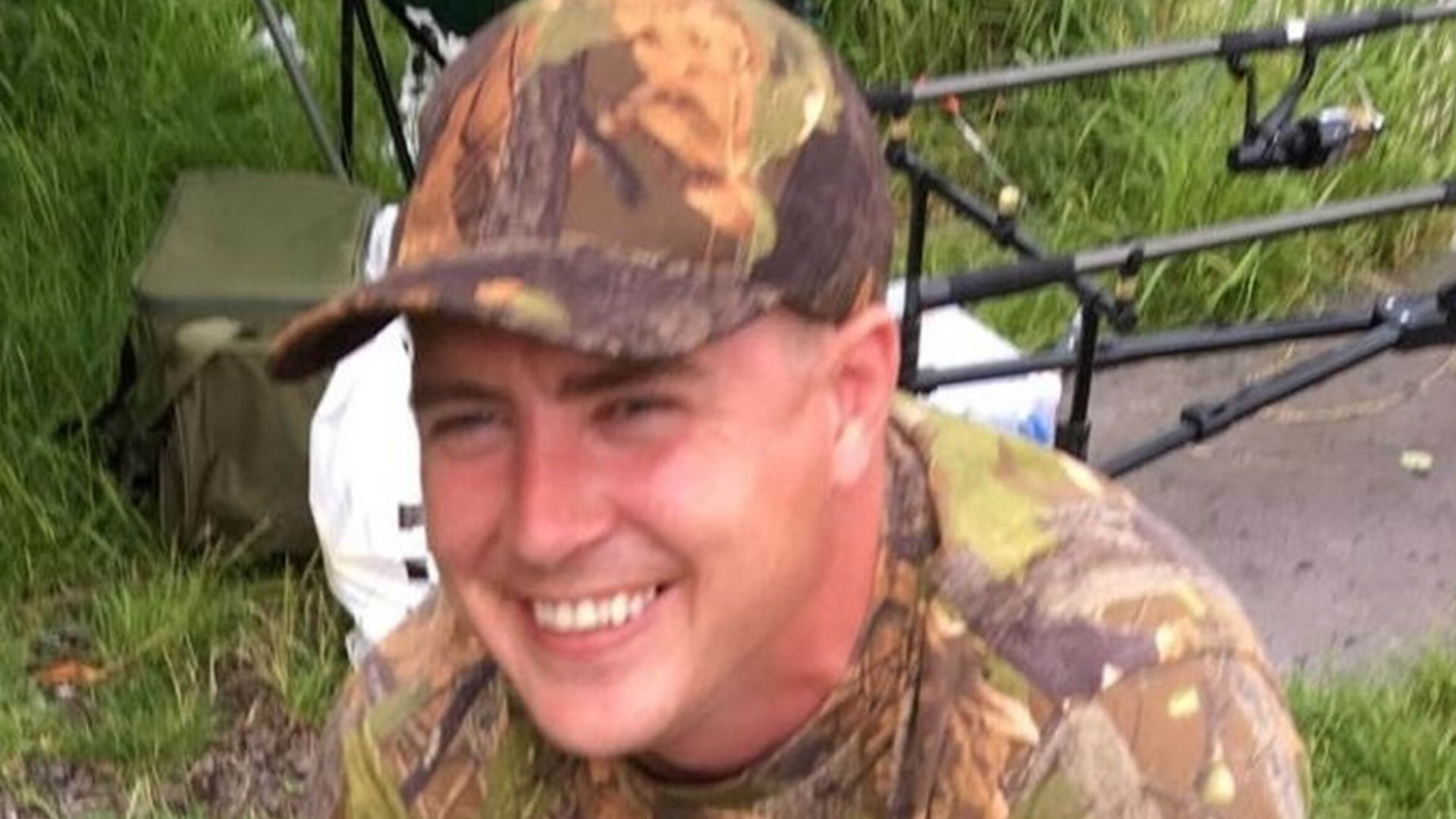
Panicking rarely leads to smart choices. When 61-year-old Steven Wales found a dead man in his bathtub, his immediate reaction wasn't to call emergency services. Instead, he dragged the body out, stuffed it into a wheelie bin, and tried to hide it behind a row of derelict houses.
It is a grim sequence of events that highlights the desperate lengths people go to when they are desperate to avoid returning to prison. Wales was already on licence. His criminal record spanned decades, featuring 32 previous convictions across 64 offenses, including a prior manslaughter charge. Fear of revocation trumped basic human decency. Recently making waves recently: Why Charles And Camilla Are Heading To Antigua And Barbuda This Autumn.
The Anatomy of a Cover-Up
The timeline of the incident in Everton, Liverpool, lays bare a chaotic reality. Paul Smith, a 40-year-old father of five who had recently fallen into a destructive drug lifestyle, ended up at Wales’s home on Coniston Street. Toxicology reports later showed Smith had consumed a potent mix of heroin, a large amount of cocaine, and sedatives.
Wales claimed he left the property and returned to find Smith dead in the bath with a hypodermic needle nearby. Rather than facing authorities immediately, Wales panicked. He managed to move the body—a feat that later drew immense skepticism from the bench given Wales's age and chronic obstructive pulmonary disease (COPD). Further insights into this topic are explored by Associated Press.
He packed Smith into a wheelie bin, dragged it to an overgrown garden, and threw old furniture and plants over it to mask the container.
The Arson Connection and Suspicion
The grim discovery of Smith's body on July 22, 2025, wasn't an isolated tragedy. It tied directly into a horrifying criminal case that shook Merseyside. Smith was suspected of being involved in a targeted arson attack just a week earlier.
That attack destroyed the home of 83-year-old Sheila Jackson and her 77-year-old partner, Eric Greener. The elderly couple suffered fatal burns and smoke inhalation. Other perpetrators behind that fire conspiracy received massive sentences, including a life term with a minimum of 25 years for the mastermind.
Because Smith died before facing justice for his role in the fire, his sudden passing left a vacuum of accountability. Judge Neil Flewitt expressed deep skepticism during the sentencing at Liverpool Crown Court, noting that Wales's version of events raised more questions than answers. The court questioned how a man with serious breathing difficulties single-handedly transported a corpse out of a flat and into an outdoor bin.
The Legal Aftermath and Sentence
Wales eventually dialed 999 to claim a man had overdosed. He led police straight to the concealed wheelie bin. He pleaded guilty to preventing a lawful and decent burial.
At Liverpool Crown Court, Judge Flewitt handed Wales a sentence of two years and four months. A letter written by Wales was read aloud, containing expressions of remorse and an apology to the victim's family. The family, however, rejected his narrative entirely. Speaking through statements and courtroom outbursts, they labeled him a coward who continues to protect his own skin rather than offering closure.
Cover-ups rarely succeed, and they almost always extend the suffering of those left behind. If you are ever facing a crisis, hiding the evidence only guarantees a harsher reckoning. Prioritize transparency, make the call, and face the consequences before panic dictates your entire future.