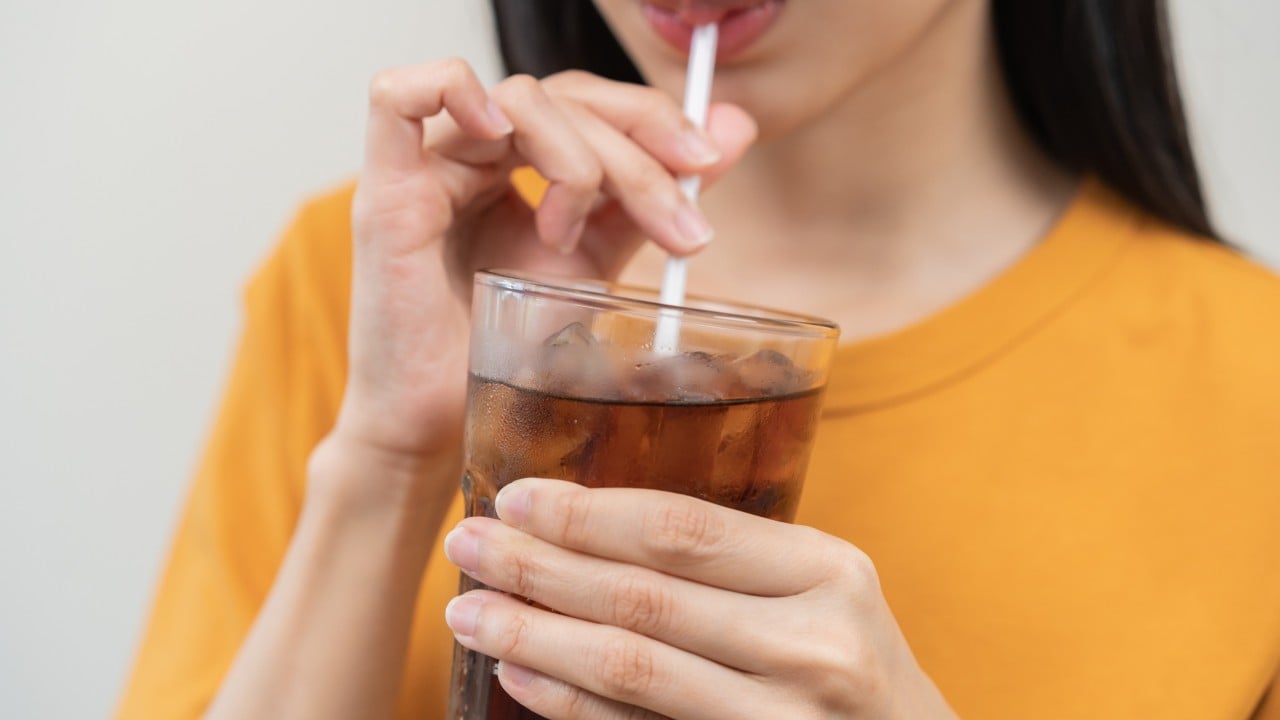
You take a sip of iced coffee, and within five minutes, your straw turns into wet mush. We have all lived through the frustration of paper straws. They fall apart in liquids, taste like cardboard, and somehow manage to ruin an entire drink. But the war on plastic gave us no choice. Governments and corporations forced the shift, telling us it was a small price to pay to save the planet.
It turns out we were sold a false promise.
Recent data reveals a messy reality that corporate greenwashing tried to hide. A government-commissioned study from South Korea looked at the entire life cycle of various straw types, comparing traditional plastic to paper and bio-based alternatives. The results shocked environmental advocates. Paper straws didn't just perform poorly in day-to-use utility; they generated higher life-cycle emissions and scored significantly worse across multiple environmental impact categories.
The Hidden Cost of Going Green
We love simple fixes. Banning plastic straws feels like a tangible win against pollution. Yet, life-cycle assessments tell a completely different story. When researchers evaluated production processes, raw material extraction, and disposal methods across 16 distinct categories, paper came out looking far worse than expected.
Take manufacturing emissions and chemical processing. Paper straws require intensive industrial processing, logging, and chemical treatments to hold liquids together. The study found that paper variants recorded over double the acidification impact of conventional plastic straws. Acidification damages ecosystems by increasing environmental acidity. Worse still, the metrics tracking carcinogenic impact showed paper scoring more than six times higher than traditional plastic options.
Then there is the recycling myth. Most consumers assume paper goes straight into the recycling bin with zero issues. In practice, sorting facilities cannot process them. Straws are simply too small for automated optical sorters to catch. They slip through the cracks, end up in landfills, or contaminate paper baling due to the water-resistant glues and coatings holding them together.
The Trap of Bio-Based Plastics
When paper failed to impress consumers, industries pivoted toward plant-based plastics and bio-polyethylene (bio-PE) variants. Sounds brilliant on paper, right? Sugarcane and corn derivatives replacing fossil fuels.
Except bio-PE is chemically identical to conventional polyethylene. It does not biodegrade. It behaves exactly like standard plastic in landfills and natural ecosystems. In fact, manufacturing bio-based alternatives often carries an even steeper carbon footprint during the agricultural and refining phases. The South Korean findings showed bio-produced plastic variants scoring dramatically worse in toxicological and carcinogenic impact metrics than standard petroleum-based counterparts.
We are trading one set of environmental problems for another while convincing ourselves we are making ethical choices.
Why Public Sentiment Is Reaching a Breaking Point
Consumer pushback is growing louder. In the same South Korean research report, public surveys revealed that over 87 percent of respondents preferred conventional plastic straws when given a choice. People are tired of paying more for products that degrade in their hands while offering dubious ecological benefits.
Over 54 percent of surveyed consumers voiced support for a simpler, more logical policy: stop handing out disposable straws entirely unless a customer explicitly asks for one. Less than 20 percent opposed that restriction.
This points to a deeper truth about modern sustainability initiatives. Convenience culture demands single-use items, and corporations try to salve our collective guilt by swapping the material while keeping the consumption model intact. Changing the material does not fix a throwaway culture.
What Actually Works Moving Forward
If swapping plastic for paper or bio-plastics is an eco-trap, what should we do? The answer requires a shift away from material substitution toward genuine reduction.
- Ditch the straw entirely: Unless you require one for accessibility reasons, drink straight from the cup. Most beverages do not require a plastic or paper tube.
- Implement request-only policies: Cafes and restaurants should stop automatically tossing straws into bags or cups. Make customers ask for them.
- Prioritize true reusability: If you need a straw for mobility or medical reasons, carry a stainless steel or silicone alternative and wash it.
Stop falling for corporate greenwashing disguised as regulatory progress. Real environmental action is about consuming less, not swapping one disposable hazard for another.