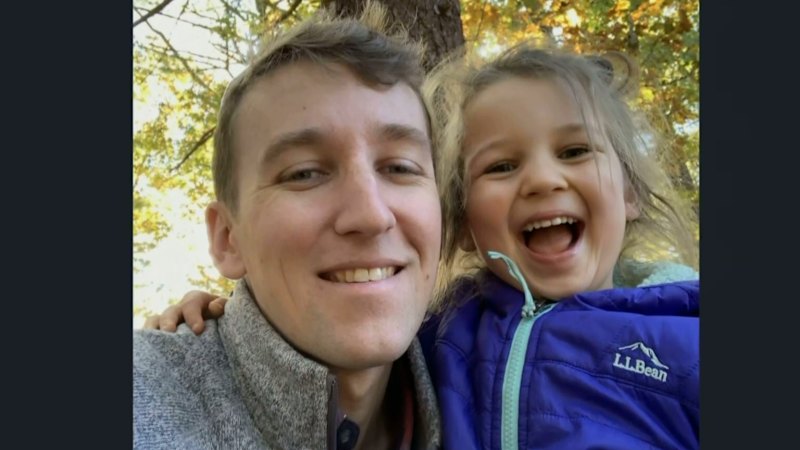
Grief doesn't follow a neat timeline, and public outrage rarely cares about the truth. When a Plymouth state court jury deadlocked 11 to one and forced a mistrial in the high-profile Lindsay Clancy murder case, it left behind a fractured legal landscape. Months later, Patrick Clancy stepped in front of the cameras for his first televised interview on CBS News' 60 Minutes.
If you've followed the headlines regarding the tragic deaths of Cora, Dawson, and Callan Clancy in Duxbury, Massachusetts, you know the trial exposed deep societal anxieties around postpartum psychosis. But you might not know what Patrick Clancy endured away from the courtroom lights. He's facing down internet trolls, defending his children's legacy, and explaining why he chose forgiveness over unending bitterness.
The Weight of the Stand and the 911 Call
Testifying in a murder trial is harrowing for anyone. For Patrick Clancy, it meant reliving the absolute worst day of his life while the entire nation watched.
During the trial's second day, prosecutors prepared to play the harrowing 911 call Patrick made after discovering his kids in the family's basement. Knowing what audio was coming, he stepped back into a holding room.
"I started having this massive traumatic panic attack," Patrick told 60 Minutes. His heart raced, medical personnel placed him in an ambulance, and they offered him medication. He refused the drugs because he wanted to return, finish his testimony, and put that chapter of the trial behind him.
That kind of mental fortitude under fire separates a genuine survivor from the caricatures painted by online commentators. He lived through the nightmare, took the stand as a primary prosecution witness, and bore the brutal cross-examination without flinching.
Confronting the Internet Conspiracies
Social media toxicities didn't spare a grieving father. Ever since the 2023 tragedy, self-appointed internet sleuths and content creators have floated wild conspiracy theories. Some corners of the web baselessly claimed Patrick bore responsibility or failed to protect his family.
This vitriol forced Patrick and his legal team to push back hard. His attorney warned that defamation campaigns and fabricated stories would face legal consequences.
On television, Patrick addressed the noise directly. He noted that these online falsehoods damage his children's memory and distract from the real crisis at hand: severe perinatal mental health.
"It is a huge distraction from what really matters here... and it's done real harm to real people, myself included," he said. When strangers online weaponize grief for clicks, they obscure the systemic healthcare failures that actual mothers and families face every single day.
Why Patrick Clancy Chose Forgiveness
Perhaps the most polarizing aspect of Patrick's public stance is his decision to forgive his ex-wife. Eleven jurors believed Lindsay Clancy suffered from postpartum psychosis so severe she lacked criminal responsibility, while a single holdout prevented an acquittal.
Tabloids rushed to label her a monster. Patrick rejected those flat narratives.
"I saw headlines that said, 'Killer mom and baby murderer monster, and none of them were accurate," he stated. "I believe that it was her mental illness that caused that."
Forgiveness didn't come easy, but it became a survival mechanism. He realized that holding onto raw, unyielding hatred would destroy him from the inside out. By separating the person he knew from the psychotic break engineered by a catastrophic mental collapse, he carved out a path to keep moving forward. He has since relocated to New York and remarried, trying to build a semblance of a normal life alongside his wife, Rachel Danis.
What Happens Next in the Legal Aftermath
With a mistrial officially entered on the docket after a 12-person jury deadlocked over 38 hours of deliberations, Plymouth prosecutors face a tough choice. They must decide whether to put the community, the families, and the legal system through an exhausting retrial.
Patrick made his preference clear through court filings and public statements: reliving the nightmare via another trial brings agonizing pain with no closure in sight. Yet, prosecutors hold the cards on whether to roll the dice a second time.
As the September 29 court hearing approaches in Plymouth Superior Court to map out next steps, pay attention to the systemic issues rather than the internet noise. Support maternal mental health initiatives, recognize the signs of postpartum distress before it reaches a boiling point, and remember the human cost behind the digital headlines.