Real ownership hits differently than advisory roles. For more than a hundred years, Maine's Penobscot Nation watched corporate timber harvesters control massive swaths of their ancestral homelands. That dynamic shifted when a massive land transfer handed 11,297 acres back to the tribe, marking the opening salvo of an ambitious conservation project designed to restore over 30,000 acres along the East Branch of the Penobscot River.
If you have been following Indigenous land sovereignty issues in New England, you know how rare outright ownership returns are. Too often, tribes get invited to sit on advisory boards while outside entities make the final calls. This project changes the playbook.
What the Wáhsehtəkʷ Land Return Actually Means
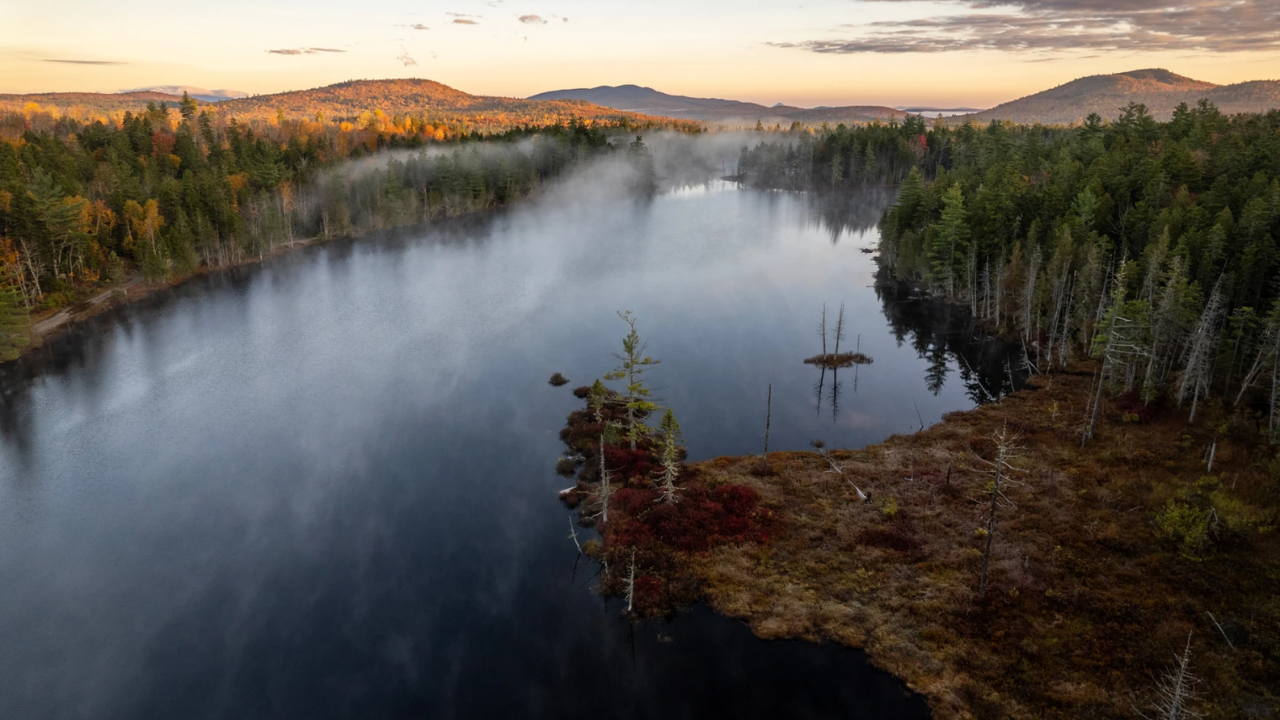
The recent transfer covers an immense stretch of Maine forest sitting near the base of Katahdin. We are talking about an area roughly the size of Portland, featuring roughly 15 miles of cold-water streams and hundreds of acres of wetlands.
The Trust for Public Land worked closely with the Nation to pull this off. Back in 2023, they kicked off a $32.5 million fundraising campaign. They have secured $20.7 million so far, which was enough to close the deal on this first major phase. Raising the remaining $12 million will determine how fast the final phases cross the finish line.
When tribes control the title, the daily reality of land management changes instantly. Chuck Loring, the Penobscot Nation's natural resources director, notes that ownership unlocks genuine economic opportunities and autonomous resource management.
Beyond Conservation: Ecology and Access
Strip away the corporate framing, and you find a massive win for local wildlife and tribal members alike. The returned acreage supports vital populations of Atlantic salmon, brook trout, and moose. Penobscot scientists and land stewards are already mapping out active monitoring programs.
Instead of waiting for state agencies to track ecological health, tribal biologists are taking charge of bat populations, tick tracking, and stream restoration. It is hands-on stewardship built on generations of generational knowledge.
There is also a massive logistical puzzle piece attached to this deal: southern access to the Katahdin Woods and Waters National Monument. Right now, getting into the monument from the south is a headache. A potential access road through the newly returned territory could open up the region, boosting local businesses in Millinocket and making the park far more accessible.
The Bigger Wabanaki Picture
This isn't happening in a vacuum. The Penobscot project is part of Tributary Land Returns, a broader coalition involving Maine's four federally recognized Wabanaki tribes and several conservation groups.
Historically, Wabanaki Nations hold roughly one percent of their ancestral lands in Maine. That statistic highlights why these grassroots conservation purchases matter so much. When private timber land hits the market, having well-funded coalitions ready to buy and transfer the deeds directly to tribal governance creates a working blueprint for environmental justice.
You don't fix a century of displacement overnight. But moving eleven thousand acres back into tribal hands proves that persistent organizing and targeted funding work. The remaining phases of the campaign will test whether donors and lawmakers can finish what they started.