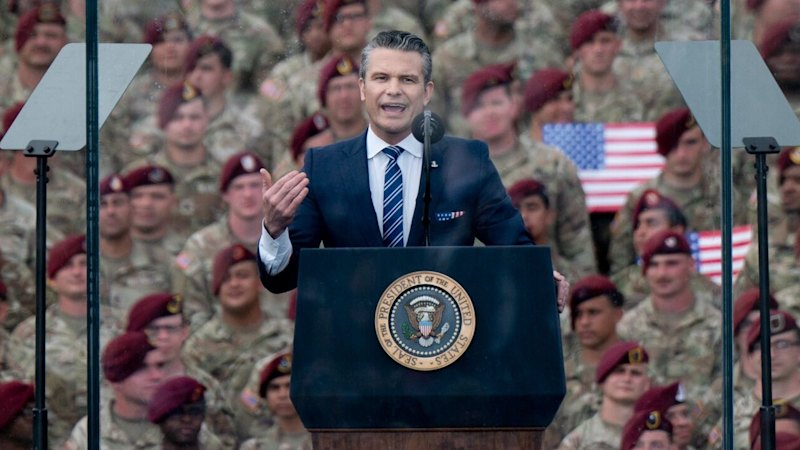
The United States Army is currently running on fumes at the very top, and almost nobody outside the defense establishment is paying attention. When Defense Secretary Pete Hegseth cleaned house, he didn't just trim bureaucratic fat. He created a vacuum at the highest levels of ground command right as global conflicts are accelerating.
If you look at the numbers, the reality is stark. The number of four-star generals in the Army has dropped from ten down to five since early 2025. Key command slots sit vacant or are being filled by temporary caretakers. Meanwhile, missile defense systems face severe pressure overseas, and the Pentagon keeps cutting senior leadership without leaving clear successors.
You have to wonder what the long-term strategy actually is here. Let's break down what is happening behind closed doors and why this leadership crisis matters more than you think.
The Cost of the Top Brass Purge
Hegseth came into office with a mandate to reshape the military, starting with a directed twenty percent reduction in four-star positions across the board. Proponents argued that the Pentagon had grown too top-heavy, packed with desk-bound flag officers while combat units cried out for resources. Cutting bloated headquarters sounds great on a campaign flyer. Doing it during an active, high-stakes military engagement is entirely different.
The turning point came when Army Chief of Staff General Randy George was ousted during a brief phone call. George's removal wasn't an isolated incident. Several senior officers viewed as potential successors were pushed out right alongside him.
When you get rid of institutional knowledge overnight, institutional memory vanishes. The people left holding the clipboard are often forced to juggle multiple interim roles without Senate confirmation or deep experience in those specific commands.
Why Modern Ground Combat Doesn't Wait for Interim Commanders
Critics of traditional military structures often point out that modern technology reduces the need for massive command layers. Drones, artificial intelligence, and automated targeting systems mean smaller units can project immense lethality. That sounds neat in a white paper, but war isn't fought by spreadsheets.
Ground warfare requires institutional stability, logistics, and rapid procurement cycles. Consider the strain on air defense units. Patriot missile batteries and similar interceptor networks are working overtime in active theaters. The command overseeing these critical assets has experienced constant turnover.
When leadership is unstable:
- Procurement programs for next-generation combat vehicles slow down.
- Inter-service coordination breaks down under pressure.
- Strategic long-term planning gets sidelined for daily crisis management.
You cannot run the world's most complex land force like a rotating startup. Troops on the ground depend on predictable leadership to ensure ammunition supplies, maintenance schedules, and tactical rotations function correctly. Right now, that predictability is gone.
The Danger of Politicizing the Chain of Command
Beyond empty offices, a deeper cultural friction is developing within the ranks. Lawmakers on both sides of the aisle have raised flags about the growing divide between civilian leadership at the Pentagon and career military professionals. When senior commanders are dismissed abruptly without public explanation, the remaining officers get the message.
Independent military advice is supposed to serve as a check on political impulses. If generals fear that offering a candid, unvarnished assessment will cost them their stars, they stop speaking truth to power. They start hedging. That self-censorship is toxic for national defense.
We are watching a systemic thinning of experience at the worst possible moment. With strategic competition intensifying and active regional wars burning through munitions and resources, the Army needs experienced commanders who know how to scale forces rapidly.
Instead, the service is bogged down in confirmation gridlock, internal friction, and institutional exhaustion. Rebuilding trust and stability inside the Pentagon won't happen overnight, and the clock is already ticking.