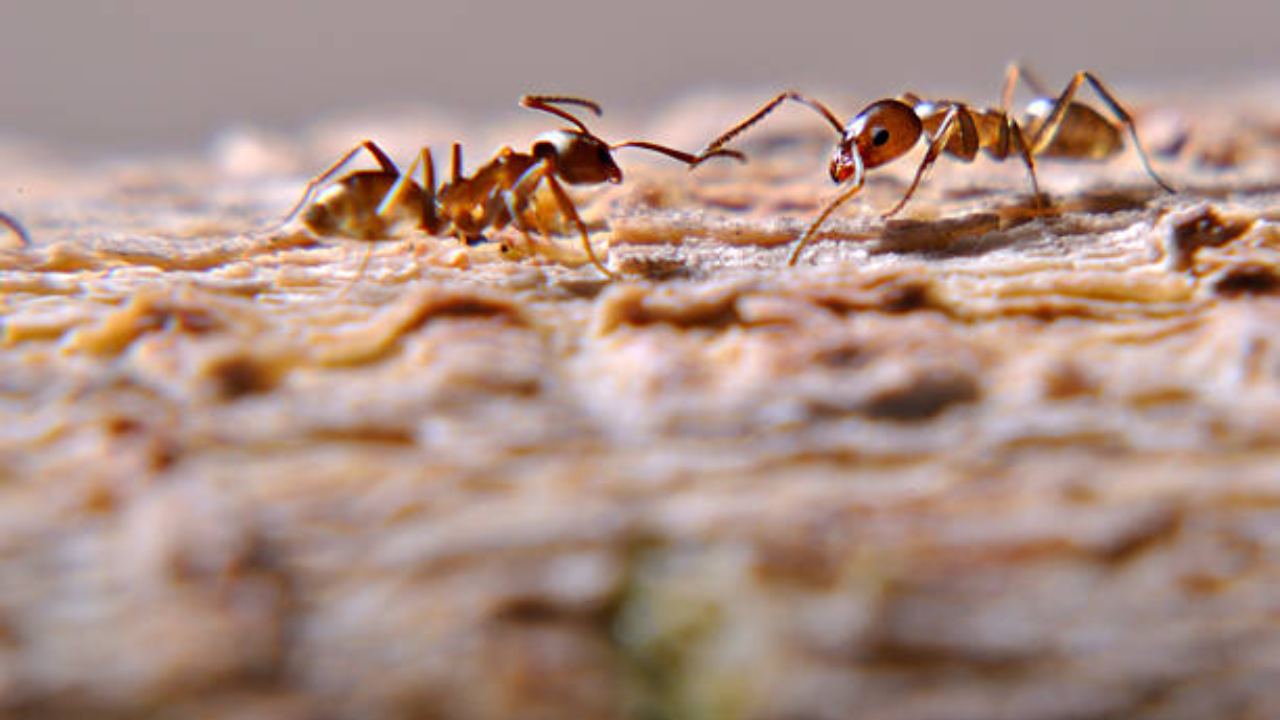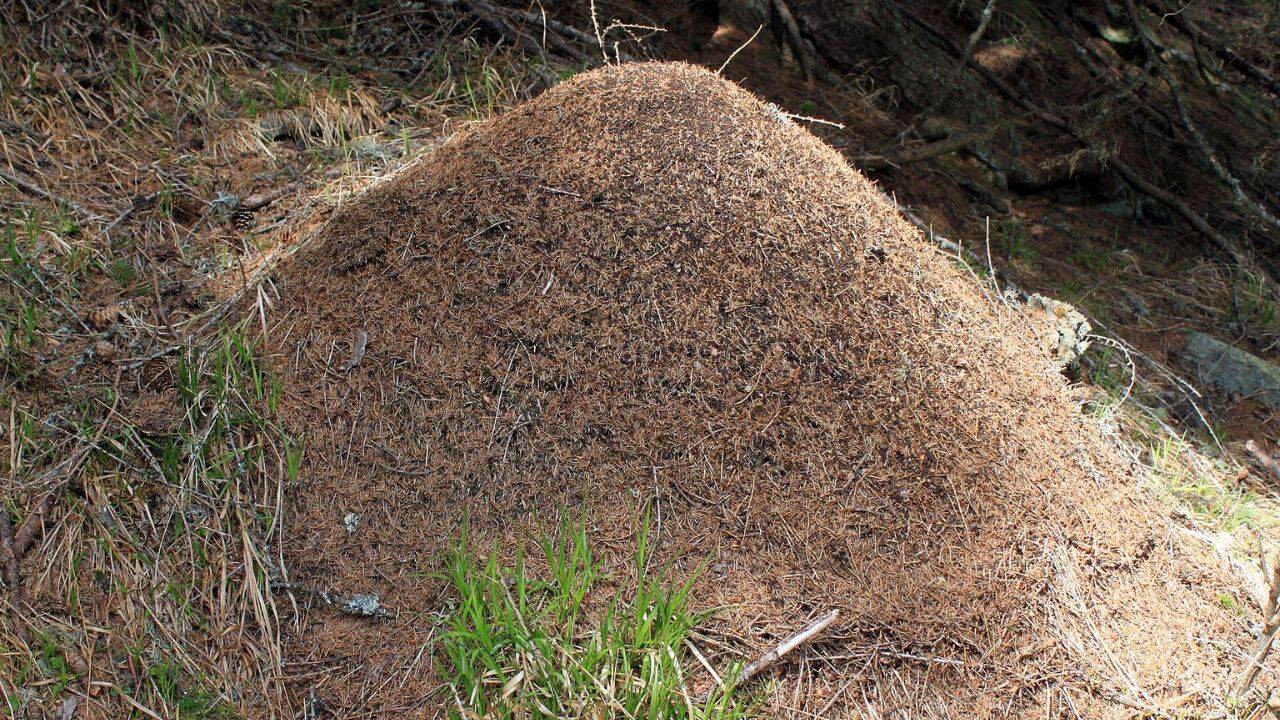
Imagine a single, uninterrupted animal society stretching 6,000 kilometres from the sun-baked coast of Portugal all the way to northern Italy. Billions of individual workers scurry across millions of distinct nests, yet they share food, care for each other's young, and refuse to ever raise a mandibulary weapon against a neighbor.
This isn't a sci-fi dystopia. It is the reality of the European Argentine ant (Linepithema humile) network. Most people hear about this massive biological anomaly and picture a single, terrifying subterranean tunnel packed with creepy-crawlies. The truth is much weirder, far more fragmented, and completely misunderstood by casual headlines. Learn more on a related subject: this related article.
Why the European Ant Empire Doesn't Tear Itself Apart
In nature, ants are famously xenophobic. Drop a random garden ant into a foreign colony just a few inches away, and it will be ripped to pieces within seconds. Territorial warfare keeps native insect populations fractured and bounded.
So how did Argentine ants bypass this hardwired rule across four different European countries? Additional reporting by Smithsonian Magazine highlights related perspectives on this issue.
It comes down to a genetic bottleneck. When these tiny, two-millimetre invaders accidentally hitched rides on cargo ships out of South America a century or so ago, only a tiny fraction of the original population survived the journey. They arrived in Europe with almost identical genetic blueprints.
Ants recognize their nestmates through chemical signatures called cuticular hydrocarbons—essentially a bodily perfume of wax-like compounds. Because the European invaders share nearly identical chemical markers, an ant from a nest in the south of France smells exactly like an ant from a nest in Barcelona or the Italian Riviera. They mistake total strangers for long-lost sisters. Peace is maintained not through a utopian agreement, but through a massive case of mistaken identity.
The Brutal Reality at the Borders
Don't romanticize this sprawling network too much. While peace reigns internally across the 6,000-kilometre main supercolony, the edges are defined by total war.
Researchers from institutions like the University of Lausanne found that if you take an ant from the European supercolony and pit it against an Argentine ant from a different introduced lineage—such as the separate supercolony found in Catalonia, Spain, or certain Californian strains—they fight to the death immediately.
The giant European network is essentially a massive mafia state. It expands by ruthlessly crushing native insect species, destroying local biodiversity, and starving out rival ant colonies that lack the numbers to compete. Local flora suffers too, because Argentine ants don't provide the vital seed-dispersal services that native European ants spent millions of years evolving to handle.
Can This Massive Invasion Be Stopped
If you are wondering whether pest control experts can spray their way out of this, the answer is a hard no.
Traditional pest management targets localized nests. If you dump insecticides onto a troublesome anthill in a French vineyard, you might kill a few hundred thousand workers. But within days, subterranean tunnels and uninjured workers from neighboring nodes will flood back in to repopulate the area. The network absorbs local shocks effortlessly because resources, queens, and brood are shared fluidly across millions of entry points.
Urban sprawl and human infrastructure actually help them thrive. Irrigated suburban lawns, heated buildings, and carelessly discarded food waste give these insects a permanent buffet and climate-controlled housing.
Stop treating local pest problems as isolated annoyances. If you spot invasive Argentine ants establishing a foothold near your property, sealing structural entry points and removing moisture sources is the only temporary shield you have against a global empire.