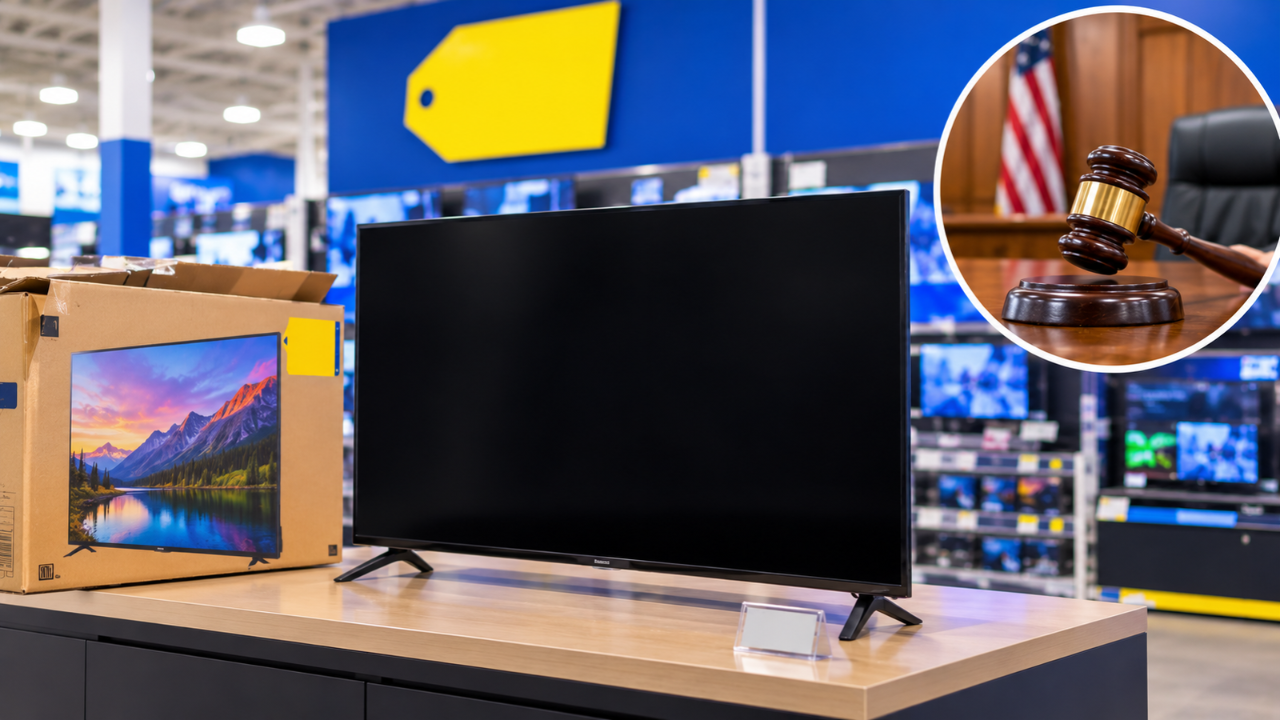
"Excellent" condition does not always mean a working television in a proper box. Ask Sylvia Kemigisa, who paid roughly $600 for an open-box TV from Best Buy in June 2022 only to find colored lines across a screen with no real picture, wrapped in plastic instead of original or suitable packaging.
When she and her nephew Fesali Kaidi tried to return it, things went sideways fast. A federal judge in Illinois ruled in June 2026 that key parts of Kemigisa's lawsuit can move forward. You might also find this related coverage useful: What The Anthropic Ipo Filings Actually Reveal About Its Financials.
That court ruling is a wake-up call for anyone hunting open-box bargains. Saving a couple hundred dollars feels great until the store claims you cracked the panel and shuts the door on your refund.
Why Open Box Deals Trap Careful Buyers
Retailers love open-box programs because they turn returns and display units back into revenue without eating a total loss. Shoppers love them because a discount on a big TV or laptop stretches a tight budget. As discussed in latest reports by The Wall Street Journal, the implications are widespread.
Here's the catch nobody mentions at checkout. Grading labels like "Excellent" sound like a guarantee of perfection, yet real-world execution often falls short of the brochure.
In Kemigisa's case, court records show she ordered the open-box television on June 13, 2022, and got it the next day wrapped in plastic rather than its original box. Switching it on showed colored lines and no picture, which she and Kaidi said existed from the start.
Best Buy pushed back later that summer, claiming the screen had a crack and refusing the return under its policy rules. Customers who have bought open-box gear over the years know how slippery "damaged upon return" disputes can get once an item leaves the store.
What The Judge Actually Decided
Federal Judge John J. Tharp Jr. issued his decision on June 9, 2026, drawing sharp lines around what stays in court and what gets tossed. Best Buy didn't dispute that a non-working TV could support a basic breach of contract claim, so the real fight centered on packaging, return compliance, and broader allegations.
The court refused to rule that a plastic bag counts as a "suitable replacement" for original packaging. Whether Best Buy followed its own return policy also remained an open factual dispute rather than something settled on paper.
At the same time, the judge dismissed Kaidi's personal claims with prejudice because he wasn't the buyer. Kemigisa's wider Illinois Consumer Fraud Act claim was dismissed without prejudice, giving her room to plead clearer facts about an alleged nationwide scheme while leaving class-action allegations from being struck at that stage.
Packaging And Return Policy Friction
Best Buy's open-box tiers—Excellent, Satisfactory, and Fair—promise specific condition standards, with Excellent framed around a "like brand new" look and proper packaging or a suitable replacement. Return policies generally give buyers a 15-day window from delivery, subject to exclusions for items that are damaged, dented, scratched, unsanitary, or missing major pieces.
That creates a nasty standoff when a panel fails. A buyer sees a defective unit that never worked right; a retailer can point to screen damage and argue the return exclusion applies.
Honestly, once a TV leaves the building, proving when internal panel damage or a hairline fracture happened becomes a he-said, she-said headache. Thin modern TV panels are notoriously fragile, and a single awkward carry or tight wrap can turn a bargain into a standoff.
How To Protect Yourself Buying Open Box Tech
If you're going to buy open-box electronics, treat the discount like a calculated risk rather than free money. Most open-box purchases work out fine, sure, yet the ones that go wrong cost time, stress, and cash.
Start by inspecting the item right away—ideally before you leave the store if it's a local pickup. Check the screen from multiple angles with a test pattern or bright solid colors so banding, dead pixels, or lines jump out immediately.
Take photos and short video clips the moment you open the box or unwrap the item. If a panel arrives wrapped loosely in plastic or shows weird artifacts on first power-up, timestamped proof beats memory every single time.
Smart Steps Before And After Purchase
Keep every receipt, packing slip, and email confirmation in one folder so you don't scramble inside a tight return window. Pay attention to the exact return deadline on your order, because waiting until day fourteen to test a secondary TV is basically asking for trouble.
- Inspect the physical frame, ports, and screen surface under bright light before hauling it home or setting it up.
- Power the unit on right away and run a quick video test to spot lines, discoloration, or audio glitches.
- Record a quick unboxing and first-power-on clip if anything looks off or poorly packed.
- Bring the item back promptly if there's a fault, and get clear written notes if staff push back.
Also remember that court filings are allegations until proven in court, and a judge allowing claims to proceed isn't the same as a final verdict on liability. Still, reading how a federal court looked at plastic wrapping and disputed return refusals shows why caution pays.
Next time you're tempted by an "Excellent" open-box tag, test it on day one and keep receipts handy.
This video shows a hands-on look at buying Best Buy open-box tech labeled like-new, which helps illustrate why inspecting items right away matters.