Air traffic control protocols in Washington DC are supposed to be ironclad, but a recent procedural failure near the White House just proved how fragile system redundancy can be. The Federal Aviation Administration launched an investigation after a commercial jet took off while President Donald Trump's Marine One helicopter was airborne, bypassing strict safety mandates established to prevent midair disasters.
If you have been following headlines about the Marine One operational lapse, you probably want to know what actually happened, whether the President was ever in danger, and why air traffic controllers missed a critical window. Let's break down the facts behind the incident, the strict rules governing the capital's airspace, and why aviation experts are taking this slip-up seriously.
What Triggered the FAA Investigation
The incident unfolded on a Tuesday afternoon as President Trump boarded Marine One at the Ellipse near the White House for a trip heading toward Joint Base Andrews. Under standard operating procedures designed for presidential movements, air traffic personnel at nearby Ronald Reagan Washington National Airport are supposed to completely halt commercial departures and arrivals before the presidential helicopter transits the low-altitude airspace.
That pause never happened.
Because air traffic controllers failed to suspend commercial operations in time, Envoy Air flight 3742, a regional E170 jet bound for Pensacola, Florida, lifted off from Reagan National just one minute after the presidential helicopter departed. This oversight created a temporary loss of standard separation. Federal aviation guidelines dictate that aircraft must maintain a minimum distance of 1.5 miles horizontally or 500 feet vertically.
Was the President Actually in Danger?
The short answer is no. White House and aviation authorities were quick to calm public nerves regarding safety risks. White House spokesman Kush Desai stated clearly that Marine One pilots are among the best aviators globally and that the President was never in harm's way.
Initial data from the FAA supports that assessment. Investigators noted that while a loss of standard separation occurred, the regional jet and Marine One were not on converging flight paths. The commercial jet was climbing away from the area, meaning a direct collision course did not exist.
Even so, the absence of immediate danger does not excuse a broken protocol. In busy corridors like the Potomac airspace, rules exist for a reason. Ignoring them invites catastrophic error.
The Heavy Shadow of Past Tragedies
To understand why a minor timing glitch is sparking a major federal review, you have to look back at the capital's recent aviation history. Stricter rules governing the mixing of helicopter and airplane traffic around Reagan National Airport are relatively new.
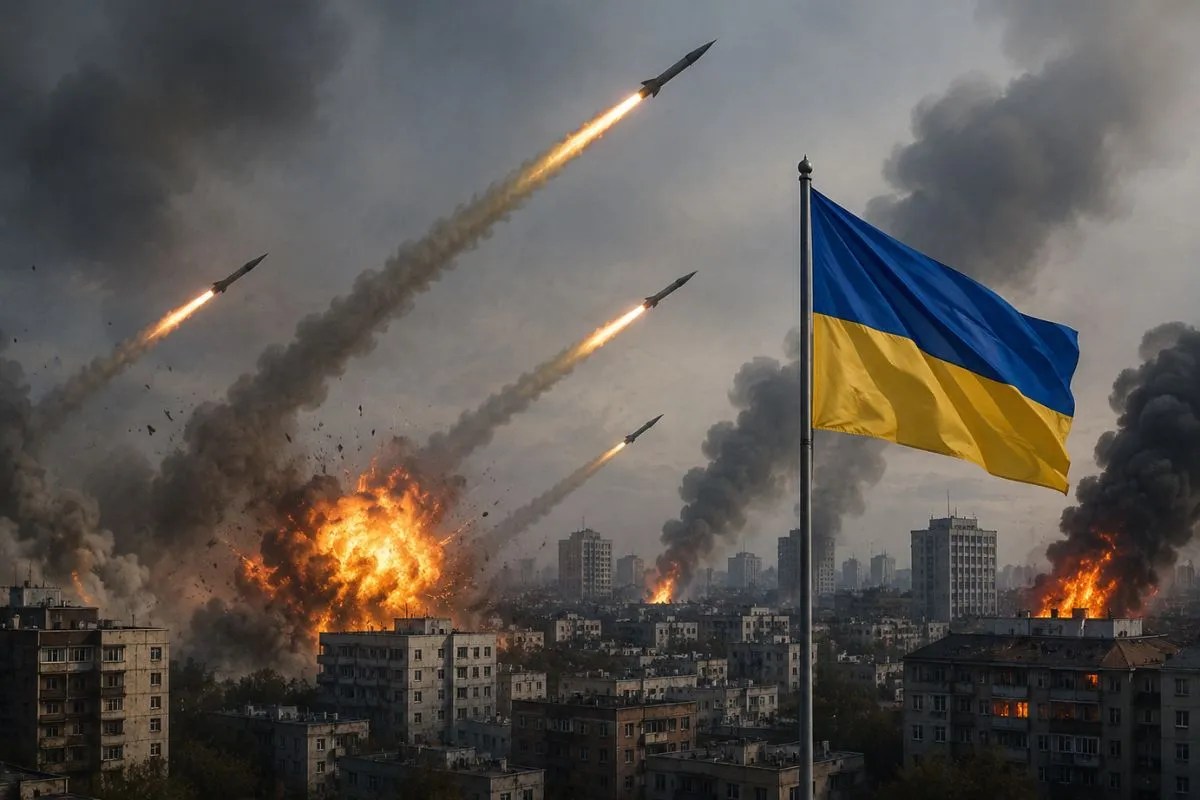
Those safety reforms were fast-tracked following a catastrophic midair collision in January 2025, where a U.S. Army Black Hawk helicopter collided with an American Airlines regional jet, claiming 67 lives. That disaster exposed vulnerabilities in how air traffic controllers manage low-altitude military and presidential movements alongside heavy commercial airline schedules.
Since that tragedy, the FAA has enforced rigid buffers, requiring complete halts to commercial operations whenever presidential flights cross the zone. When controllers miss a three-minute warning window or fail to coordinate the pause, the safety net frays. This recent lapse shows that human error can still bypass automated safety architecture.
How Air Traffic Control Rooms Handle Presidential Flights
Managing airspace around Washington DC is arguably the most stressful job in civil aviation. Controllers juggle Reagan National, Dulles, Baltimore-Washington International, and multiple military installations like the Pentagon and Joint Base Andrews all at once.
When Marine One prepares to lift off, a precise chain of communication takes place:
- The White Military Office or advance teams notify local towers of the departure schedule.
- Air traffic supervisors issue a temporary ground stop or departure pause for commercial runways pointing toward the flight path.
- Controllers monitor real-time tracking to ensure absolute geographic separation before clearing any other aircraft.
In this specific case, the breakdown happened somewhere in that communication or execution chain. Sources indicate that a second regional flight, Republic flight 4700, was roughly three miles away from Reagan National at the time and had to be sent around out of an abundance of caution. That forced maneuver underscores how one missed pause ripples across multiple incoming and outgoing commercial flights.
What Happens Next for the FAA
The FAA is planning to convene a formal Safety Review Team to dissect the root cause of the breakdown. Investigators will pull cockpit voice recordings, radar logs, and internal controller transcripts to determine whether the lapse stemmed from individual fatigue, coordination delays, or software blind spots.
Expect calls for tighter automated safeguards. As air traffic volume climbs and security protocols remain uncompromising, the margin for human error shrinks to zero.
Pay close attention to how the agency updates its ground-stop automation over the coming months. When procedures meant to protect the commander-in-chief experience cracks, operational adjustments usually follow swiftly.