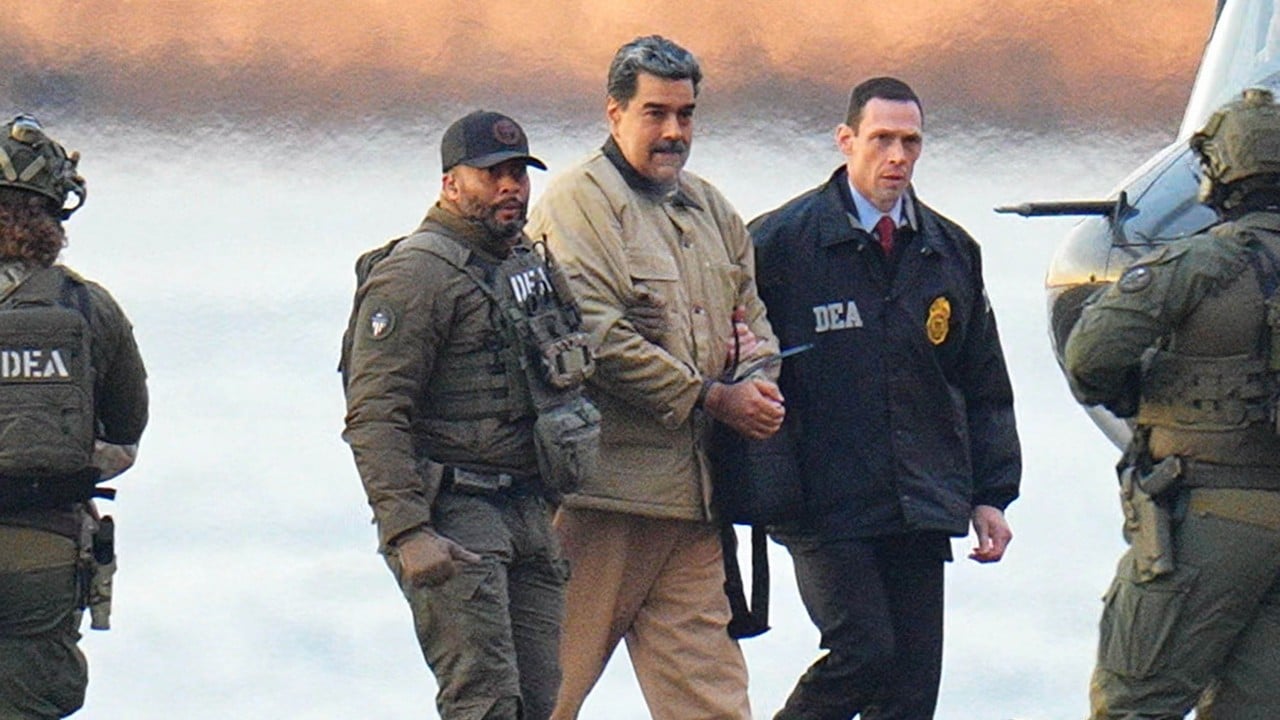
Detained thousands of miles away in New York, ousted Venezuelan leader Nicolas Maduro still manages to steer headlines back to himself. He recently sent a message through his Telegram account welcoming any path to dialogue. This statement arrived just ahead of a US-backed meeting between Venezuela's interim government and domestic opposition leaders.
You might wonder how a captive politician sitting in a Manhattan detention center holds any sway over current political maneuvers in Caracas. The truth is simple. Even stripped of presidential power and facing trial on drug trafficking charges, Maduro remains a symbol for loyalist factions inside Venezuela. His sudden willingness to talk isn't a sudden burst of pacifism. It's a calculated survival tactic.
The Reality Behind the New Round of Talks
Let's clear up the noise. The upcoming negotiations aren't happening in a vacuum. Since US forces captured Maduro and his wife Cilia Flores in a dramatic military operation in January 2026, the political terrain in Caracas shifted permanently. Delcy Rodriguez stepped into the interim leadership role, and Washington began a cautious, piecemeal easing of economic sanctions while reopening the US embassy in Caracas.
Maduro's camp knows they lost the physical grip on Miraflores Palace. When a message pops up on official channels backing reconciliation and peace, it's an attempt to stay relevant.
- The Ousted Leader's Angle: Maduro is trying to position himself as a reasonable statesman from a jail cell.
- The Interim Government's Reality: Officials in Caracas are dealing with harsh economic realities, debt restructuring with international creditors, and the pressure of US oversight.
- The Opposition's Stance: Various factions remain deeply divided on how much to trust US-backed frameworks or engage in ongoing power-sharing dialogues.
Why the Dominican Republic Factor Matters
Diplomacy rarely stays confined to domestic borders. Alongside the internal talks, Venezuela and the Dominican Republic recently agreed on a roadmap to normalize diplomatic ties. Diplomatic relations snapped two years ago after Santo Domingo joined international critics condemning Maduro's disputed 2024 election victory.
Reviving these ties shows that the interim administration wants to mend regional fences. It proves that Caracas is eager to re-enter the global fold on terms that benefit its battered economy. Maduro calling for dialogue at the exact same moment highlights a desperate bid to hitch his legacy to any regional normalization process.
What Happens Next in the Region
Don't expect overnight miracles. Trials in New York federal courts move slowly, and Maduro's legal team is staring down a long road ahead with a scheduled 2027 trial date. Meanwhile, domestic actors in Venezuela must navigate a delicate transition while managing post-disaster rebuilding efforts and massive shifts in oil revenue controls.
If you're tracking Latin American politics, look past the PR statements. Watch how the interim administration handles debt talks with Chinese and Western lenders. That's where the real power lies now.