Twelve years of Labor rule in Victoria didn't just end on Saturday night. It collapsed.
When the opposition Liberal-National Coalition swept to a majority government on November 28, 2026, most quick-hit wire summaries reduced the story to a neat headline about voters getting tired of inflation. That's only half the picture. Honestly, if you look closely at the numbers coming out of Melbourne and regional Victoria, this wasn't just a polite pendulum swing back to the center-right. It was a structural political earthquake that saw Premier Ben Carroll lose his own seat, elevated 36-year-old Jess Wilson into the history books, and scrambled Australia's federal political math overnight.
I've watched Australian state elections for years, and wire services almost always miss the local texture behind a landslide. They report the seat count and move on. Let's look at what actually drove the opposition coalition win in Victoria, why the economic pain hit differently here than anywhere else in the country, and what happens next when Jess Wilson tries to govern a state staring down massive debt.
Why the Opposition Coalition Win in Victoria Was a Historic Wipeout
You don't lose a seat your party has held for half a century by accident.
In Melbourne's north-western suburbs, Labor had held the electorate of Niddrie for its entire 50-year existence. On Saturday night, voters handed it to Liberal candidate Samantha Byrne, making Ben Carroll the first sitting Victorian premier in history to lose his own seat at a state election. Let that sink in. Not only did Labor lose government after 12 years, its leader couldn't even hold onto his own backyard.
ABC projections showed the Liberal-National Coalition rapidly clearing the 45-seat mark needed to govern in its own right out of the 88-seat Legislative Assembly, reaching 48 seats while counting was still underway. Meanwhile, Labor's lower house presence shrank toward single digits.
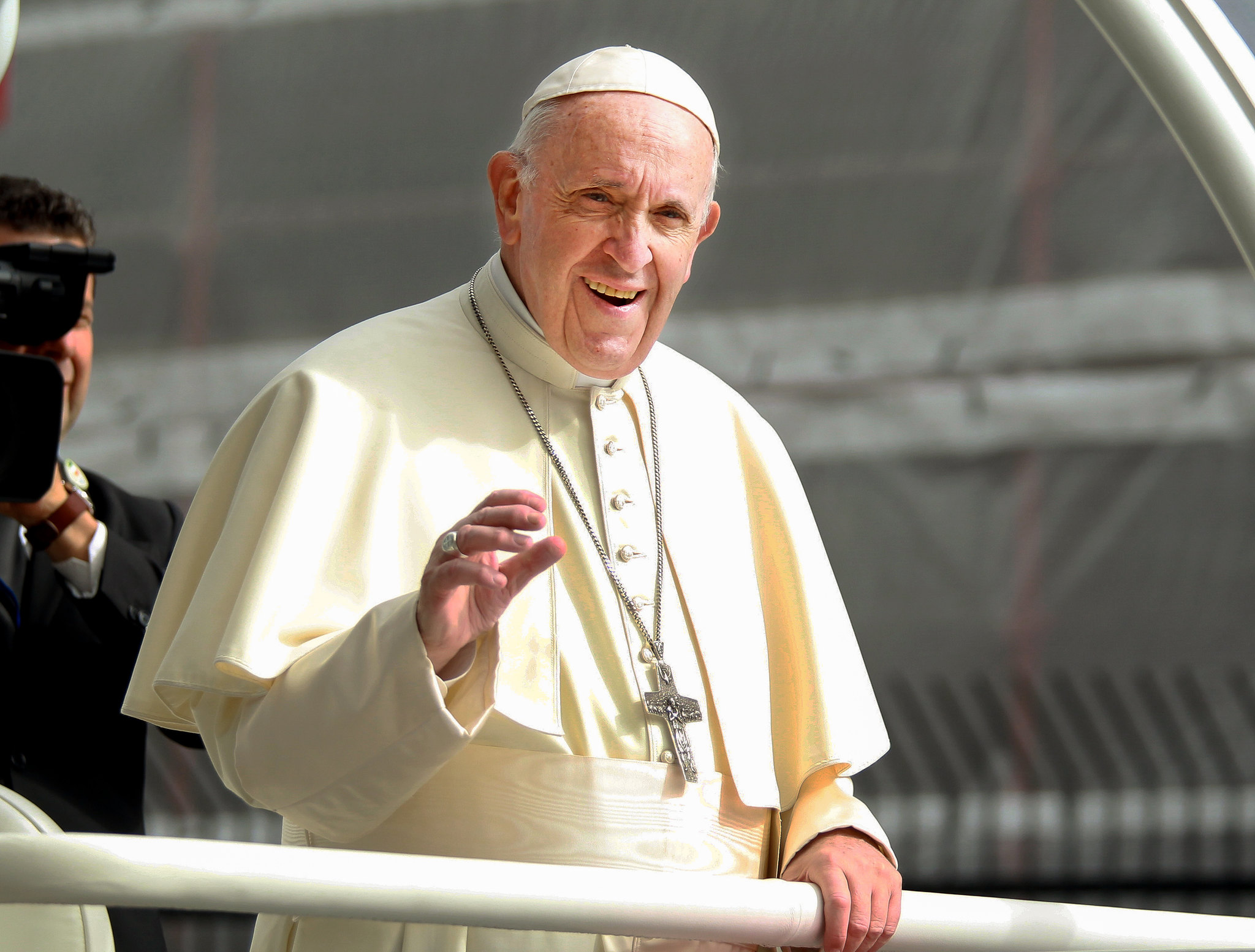
At the center of the blue wave is Jess Wilson. At 36, she becomes Victoria's youngest premier since Australian federation and the first woman to lead the Liberal Party to a state election victory in Victoria. Her victory speech hit an unusually candid note for a triumphant politician. Rather than claiming an ideological mandate, she told voters directly that she knew many had voted Liberal or directed preferences their way for the very first time. She admitted they had only lent the Coalition their vote, and her team didn't own it.
She's right to be cautious. When you look beneath the headline Coalition victory, Victorians didn't suddenly fall in love with traditional conservatism. They staged a multi-directional revolt against the two-party establishment.
The Third-Party Squeeze Nobody Saw Coming
Wire reports love clean two-horse narratives. Victoria refused to play along.
While the Coalition scooped up seats across the suburbs, minor parties carved chunks out of both major sides. The Victorian Greens, led by Ellen Sandell, surged to a record eight lower house seats—holding inner-city strongholds like Melbourne, Richmond, and Brunswick while snatching Pascoe Vale, Preston, Northcote, and Footscray from Labor, plus Prahran from the Liberals.
At the same time, Pauline Hanson's One Nation made startling inroads in outer-suburban and regional areas, winning at least two seats including regional Murray Plains. In several traditional Labor heartland electorates, Labor's primary vote collapsed so badly that it finished third. Under Australia's preferential voting system, Labor preferences then flowed to Liberal candidates ahead of One Nation, ironically handing extra seats to Jess Wilson's Coalition.
So when someone tells you Victoria simply turned conservative overnight, push back. Voters fragmented in every direction at once, and the Coalition was standing in the right spot to collect the preferences.
How Inflation and State Debt Cornered Victorian Labor
Yes, national inflation played a massive role. Just three days before Victorians went to the polls, the Australian Bureau of Statistics dropped a political grenade. Headline annual inflation accelerated to 4.9 percent in October, up from 4.3 percent in September, hitting a three-year peak and blowing past forecasts from economists at Australia's Big Four banks. Even the Reserve Bank of Australia's preferred underlying measure—trimmed mean inflation—ticked up from 3.6 percent to 3.8 percent.
For ordinary families in Melbourne, those aren't abstract macro numbers. Throughout 2026, the central bank lifted the cash rate target five separate times in 0.25 percentage point increments, driving it to an 18-year high of 4.85 percent. Housing costs jumped 6.4 percent year on year in October alone. When a household's monthly mortgage repayment climbs by hundreds of dollars while petrol and grocery bills keep creeping upward, incumbents pay the price.
Here is what general national coverage misses, though. Victorians weren't just angry about Reserve Bank rate hikes. They were furious about homegrown state debt and governance failures.
The Big Build Backlash and Leadership Churn
Victoria carries the highest state debt in Australia. For years, Labor anchored its brand around massive infrastructure projects—the "Big Build"—alongside progressive social policies. By 2026, that formula had soured.
Voters grew tired of cost blowouts, mounting public safety worries, and damaging corruption allegations tied to major construction projects and the CFMEU. Ben Carroll only took over as premier in late July after replacing Jacinta Allan, trying to reset the government's image by insisting at his opening press conference that he wasn't Daniel Andrews and wasn't Jacinta Allan.
Former Labor premier Steve Bracks later suggested Carroll simply ran out of time to sell a new direction. Even Carroll admitted on election night that you can't outrun time. Taking off a tarnished party brand four months before polling day rarely works when voters have already made up their minds.
What Jess Wilson Actually Promised—And Why Passing It Won't Be Easy
Winning a lower house majority is one thing. Governing Victoria's upper house is another beast entirely.
During the final days of the campaign, Jess Wilson unveiled $20 billion in budget measures aimed at reining in Victoria's massive debt. The centerpiece—and easily the most controversial plank—is a plan to put Melbourne's sewage treatment assets under a 90-year lease to raise roughly $9.2 billion, alongside selling state-owned land, renewable energy assets, and even air rights between Richmond train station and the Melbourne Cricket Ground.
Wilson rejected the "privatisation" label, arguing the state retains ultimate ownership of the assets and that the Essential Services Commission would continue regulating household water bills so families see no price hikes.
Policy analysts and political rivals aren't buying it so easily. Water and environmental experts warned ahead of the vote that leasing out Melbourne's treatment plants risks service quality and threatens sensitive wetlands without solving the state's underlying structural deficit. Labor attacked the move as a broken promise, pointing out that back in August Wilson had ruled out touching water assets.
More importantly, Wilson faces an immediate legislative roadblock in the Legislative Council. Projections from the ABC indicate the Coalition won't hold an outright majority in the upper house, where seats are split across the Coalition, One Nation, the Greens, and Labor. Both Greens leader Ellen Sandell and One Nation state leader Warren Pickering have already vowed to vote against leasing Melbourne's sewerage plants. Unless the Coalition can execute the lease purely through executive powers without new legislation, its flagship debt-reduction mechanism could stall right out of the gate.
Why Canberra Is Watching Melbourne With Panic
If you think this election only matters to people living south of the Murray River, think again.
Victoria has long been the federal Labor government's defensive firewall. During the 2025 federal election, Victoria delivered 27 of Prime Minister Anthony Albanese's 94 seats. Now, halfway through his second term, Albanese is dealing with tumbling approval ratings over the exact same cost-of-living squeeze that just wiped out his state counterparts.
Some federal Labor insiders tried to wave away Saturday's wipeout as a uniquely Victorian "perfect storm" fueled by state-level fatigue and infrastructure scandals. That's wishful thinking. When outer-suburban mortgage belts swing violently away from Labor while inner-city progressives defect to the Greens, federal strategists in Canberra have every reason to lose sleep.
What You Should Watch Next in Victorian Politics
If you're tracking how this power shift affects your household budget, state infrastructure, or Australian politics heading into 2027, keep your eyes on three concrete developments over the next few weeks:
- The RBA's December Interest Rate Decision. The Reserve Bank of Australia's Monetary Policy Board meets in early December for its final rate call of 2026. After five hikes pushed the cash rate to 4.85 percent and October inflation hit 4.9 percent, watch whether the board holds steady or squeezes borrowers again before Christmas.
- Upper House Negotiations on Asset Leases. Watch how Jess Wilson's incoming cabinet structures the proposed $9.2 billion Melbourne sewerage lease. If the deal requires parliamentary approval, Wilson will have to negotiate with either a combined Labor-Greens bloc or a newly empowered One Nation crossbench that has already promised to block it.
- The Big Build Contract Audit. Expect immediate announcements regarding signed infrastructure contracts. The Coalition campaigned on cancelling certain level crossing removal projects like Spotswood and Yarraville and scrutinizing major construction deals—decisions that will quickly reveal how much breaking existing contracts actually costs Victorian taxpayers.
For a closer look at how the seat counts unfolded across Melbourne and regional Victoria on election night, watch 7NEWS Australia's election night coverage. This broadcast breaks down the dramatic swings and historic seat losses that ended Labor's 12-year tenure.