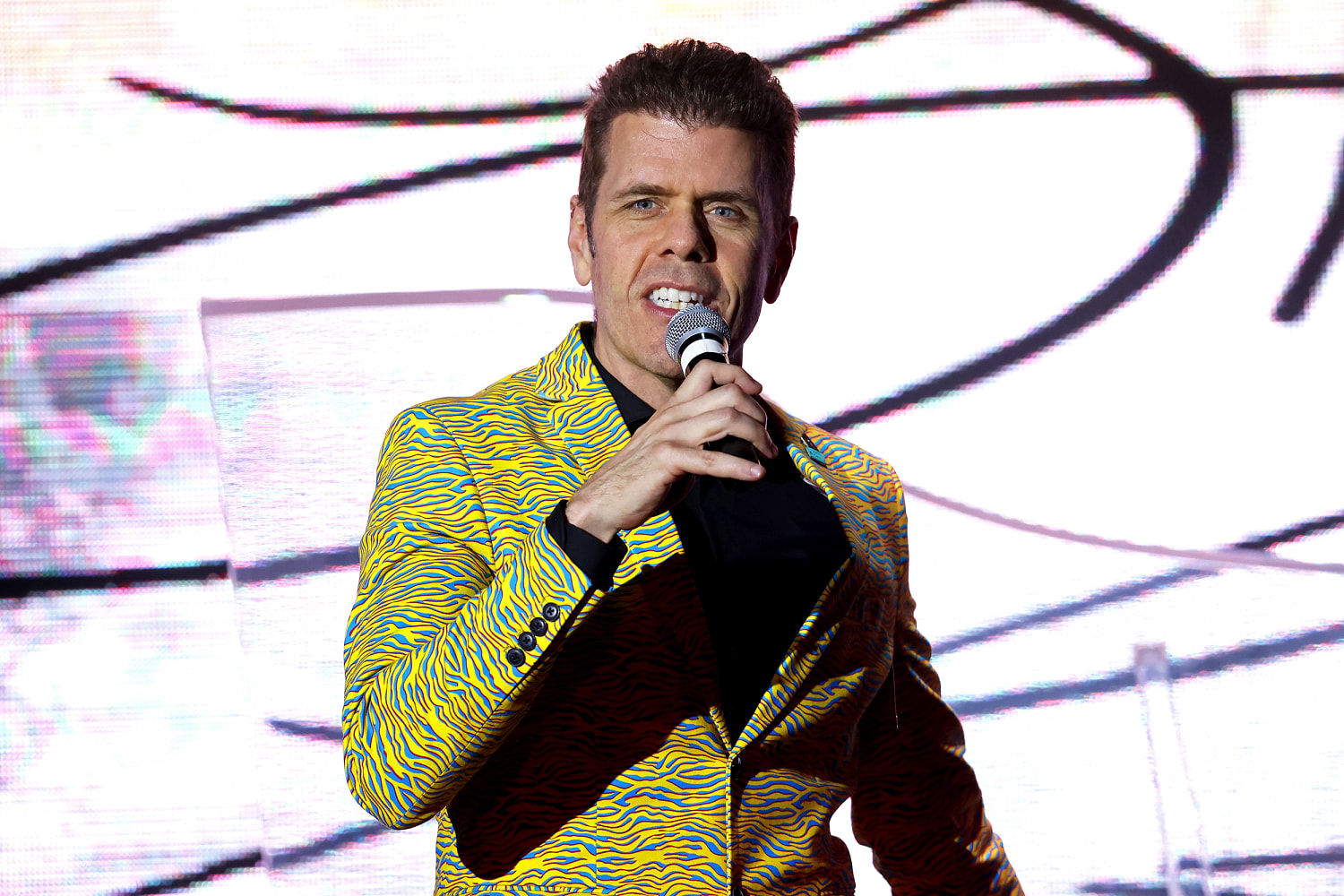
When a high-profile media figure experiences a public medical or mental health emergency online, the internet reacts instantly. Algorithms amplify distress, commentators guess diagnoses, and real-time speculation completely outpaces verified facts. That chaotic dynamic took center stage when celebrity blogger Perez Hilton was hospitalized following law enforcement intervention triggered by a distressing broadcast on social media.
Law enforcement and emergency responders arrived at his residence after concerned viewers reported unsettling content streamed live online. The incident immediately ignited intense public concern, sweeping across social platforms and raising difficult questions about digital safety, public broadcasting of distress, and the heavy toll of internet culture.
The Reality of Online Breakdowns in Plain View
We live in an era where personal crises can be broadcast to thousands of people in real time. Years ago, public figures experiencing severe mental health episodes or medical crises could retreat behind closed doors. Today, the architecture of short-form video apps and live streaming platforms encourages continuous connection, sometimes with devastating consequences.
When viewers witness erratic or dangerous behavior online, panic sets in. In this specific case, local authorities and emergency personnel responded directly to the scene to ensure safety. Representatives for the blogger later emphasized that maintaining privacy and verifying facts took precedence over immediate public commentary while they worked to make direct contact and assess the situation.
Separating Rumors From Medical Context
Whenever a prominent figure faces a sudden crisis, the internet loves to play amateur detective. Social media commentators immediately began linking the acute event to his previous severe health battles earlier in the year.
As a quick refresher, the celebrity had documented a terrifying battle with sepsis, detailing a grueling multi-week hospital stay, surgeries, and subsequent blood clots that required intensive physical rehabilitation. Online speculation quickly turned toward post-sepsis syndrome, with users questioning whether lingering neurological or psychological complications played a role in the sudden behavioral shift.
However, medical experts and official representatives have drawn clear boundaries regarding these assumptions. While medical literature does recognize that severe systemic infections can sometimes impact cognitive and psychological well-being over the long term, neither attending physicians nor law enforcement officials confirmed any direct correlation to the streaming incident. Leaping from public medical history to definitive armchair diagnoses creates a noisy cycle of misinformation that obscures the actual human element at stake.
Why Public Figures and Followers Need Boundaries
The boundary between entertainer and audience has eroded completely. Followers feel an intimate sense of proximity to creators they watch every single day. When those creators spiral, the audience feels helpless or, worse, treats the crisis as interactive entertainment.
This dynamic puts immense pressure on public figures. They perform their lives for metrics, likes, and revenue. When burnout, physical illness, and psychological distress collide, the breakdown often happens on a digital stage.
If you or someone you know is struggling with mental health or overwhelming distress, help is always available. You can reach the Suicide & Crisis Lifeline by calling or texting 988 in the United States and Canada, available 24 hours a day, 7 days a week. Professional support changes outcomes, and online algorithms should never substitute for real healthcare.
Prioritize verified updates over viral speculation, and remember that real people exist behind the screens and headlines.