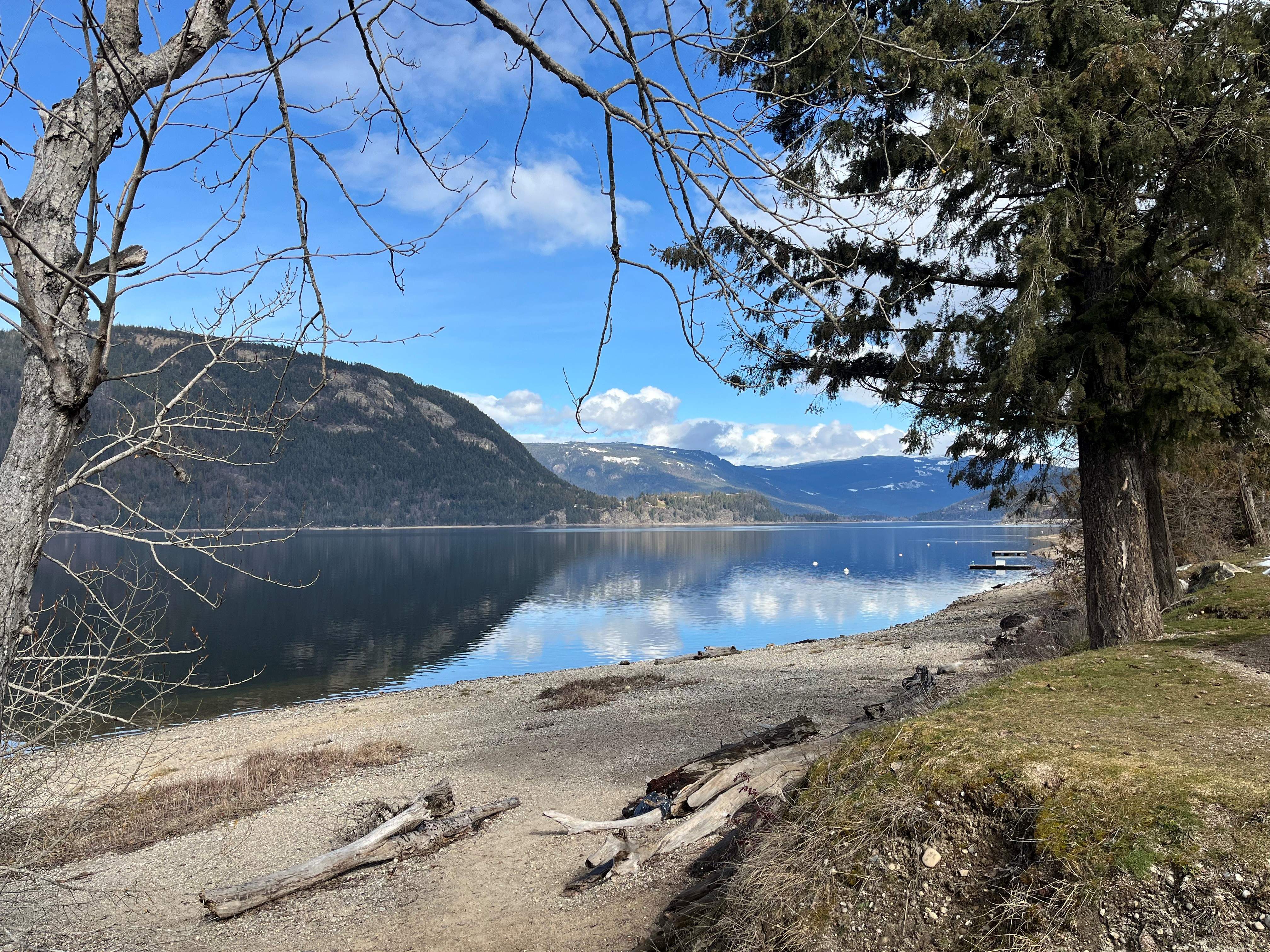
On a hot July afternoon, the water of Okanagan Lake looks like paradise. It is calm, sparkling, and seemingly harmless. But that calm is a lie, and failing to realize it is costing lives.
Over a single weekend, two separate tragedies on B.C. Interior lakes served as a grim reminder of how fast a summer afternoon can turn fatal. On Friday, July 10, 2026, a group of friends boating on Mara Lake, south of Sicamous, realized one of their party members had vanished. Just a day later, on July 11, a 45-year-old man was thrown from an inflatable tube on Okanagan Lake near West Kelowna. He was not wearing a lifejacket, struggled in the water, and never resurfaced.
These are not isolated freak accidents. They are part of an alarming trend. According to the B.C. and Yukon Lifesaving Society, drowning deaths in the province have surged by 50% compared to the same period last year.
If you think you are safe because you are a strong swimmer or because you are staying close to a boat, you are wrong. To stay alive on B.C. lakes, you need to understand the physical realities of water, cold, and human survival.
The Reality of the Okanagan and Mara Lake Incidents
The search for the missing boater on Mara Lake began around 8:13 p.m. on Friday night. Royal Canadian Mounted Police (RCMP) officers and Search and Rescue teams scoured the water and shoreline. By Sunday, the RCMP Underwater Recovery Team was using sonar to scan the depths, and searchers had to deploy specialized towed sonar technology to continue the grim work.
The Okanagan Lake incident happened in broad daylight, around noon. The 45-year-old man was being towed on an inflatable tube when he was thrown into the water. He did not have a personal flotation device (PFD) on. When he began to struggle, the boat operator jumped in to save him. The operator quickly found themselves in trouble too, and had to be rescued by another boater. The tuber was lost beneath the surface.
These tragedies highlight a critical misunderstanding of how open water works.
The Legal Loophole That Is Killing Adults
Many boaters believe they are following the rules because they have lifejackets tucked away under a seat or stored in the bow of their boat. Technically, they are right. Under Transport Canada regulations, you only need to have a Canadian-approved PFD on board for every person on the vessel.
But a stowed lifejacket is useless in an emergency.
When you are thrown from a boat or a towed tube, you do not have time to grab a lifejacket, put it on, and zip it up. Lenea Grace, the executive director of the Lifesaving Society’s B.C. and Yukon branch, compares this practice to driving without a seatbelt. Keeping your lifejacket stowed in a hatch is like keeping your seatbelt in the trunk of your car, hoping to scramble and put it on right before a collision. It does not work.
The data proves this. Most people who drown in B.C. never intended to go into the deep water in the first place. They fell in, got thrown in, or capsized. By then, it was too late.
The Science of Cold Water Shock and the Thermocline
People often assume B.C. Interior lakes are warm during July and August. While the top few inches of water might feel comfortable, these deep glacial lakes hide a dangerous physical phenomenon known as a thermocline.
A thermocline is a thin, distinct layer in a large body of water where temperature changes rapidly with depth. In Okanagan Lake, which plunges to depths of over 230 meters, the water temperature can drop from a comfortable 22°C at the surface to a bone-chilling 8°C just a few meters down.
When you fall into cold water unexpectedly, your body goes through cold water shock. This is an involuntary physiological response.
First comes the gasp reflex. The sudden cold on your skin forces you to take a massive, uncontrollable breath. If your head is underwater when this happens, you will inhale water directly into your lungs.
Second is hyperventilation. Your breathing rate spikes, making it incredibly difficult to coordinate swimming strokes or keep your head above water. Your heart rate skyrockets, which can trigger cardiac arrest in vulnerable individuals.
Finally, cold incapacitation sets in. Within minutes, the blood rushes from your arms and legs to protect your core. Your fingers stiffen, your muscles lose coordination, and you lose the ability to swim or even hold onto a rescue line. If you are not wearing a lifejacket, you will sink.
The Myth of the Flailing Drowner
What does drowning look like? If you believe Hollywood, it involves splashing, waving for help, and shouting.
In real life, drowning is almost completely silent.
When a person is drowning, they experience the Instinctive Drowning Response. This is a set of involuntary behaviors designed to keep the airway clear.
- The mouth is not above water long enough: A drowning person’s mouth sinks below and reappears above the surface rapidly. They do not have time to exhale, inhale, and yell for help. They are struggling just to get a breath.
- No waving: Hyper-extended arms instinctively press down on the water’s surface to leverage the head up. They cannot wave or signal for help because their body is forcing them to use their arms to stay afloat.
- The upright posture: Drowning victims remain upright in the water, with no evidence of a supporting kick. They look like they are dog-paddling or treading water poorly.
If you see someone in the water who looks like they are staring at the sky, gasping, or struggling to climb an invisible ladder, they are not playing. They are drowning, and they have roughly 20 to 60 seconds before they submerge.
The Double Drowning Trap
The Okanagan Lake tragedy featured another classic water hazard: the attempted rescue that nearly claimed a second victim.
When the boat operator saw the tuber struggling, their instinct was to jump in and help. It is a noble instinct, but it is often fatal. A drowning person is in a state of primal panic. They will claw, grab, and climb on top of anyone who gets near them to keep their own airway above water.
Unless you are a trained lifeguard with rescue equipment, jumping in after a drowning person is a massive gamble. You are highly likely to become a second victim.
Professional rescuers teach a simple progression for water emergencies: Throw, Don’t Go.
- Reach: If the victim is close to a dock or boat, reach out with a paddle, branch, or boat hook. Secure your own footing first.
- Throw: Toss a buoyant object. Every boat is required to have a buoyant heaving line. Throw it past the victim and pull it across their path. If you do not have a line, throw anything that floats—a lifejacket, a cooler, or an inflatable toy.
- Row: Use your boat or a motorized vessel to get close to the person. Keep the engine in neutral as you approach so the propeller does not injure them.
- Go: Only enter the water as a last resort, and never do so without a flotation device of your own to keep distance between you and the panicked victim.
How to Respect B.C. Lakes
Okanagan Lake has claimed 33 lives between 2015 and 2025. It is the deadliest lake in British Columbia. This is not because the lake is inherently evil, but because it is incredibly popular and highly deceptive.
We need to change how we treat our lakes. If you are going out on the water, follow these rules.
Zip It and Clip It
Do not just bring your lifejacket; wear it. Modern inflatable PFDs are lightweight, comfortable, and do not restrict your movement while paddling or boating. If you are towing someone on a tube, wakeboard, or water skis, they must wear a properly fitted, Canadian-approved lifejacket. No exceptions.
Watch the Alcohol
B.C. Coroners Service data shows that alcohol or drugs are a contributing factor in roughly 40% of closed accidental drowning investigations. Operating a boat while impaired is illegal, but drinking while swimming or lounging on a floatie is just as dangerous. Alcohol impairs your balance, slows your reflexes, and accelerates hypothermia in cold water.
Stay Within Arms Reach of Kids
If you are at the beach with children, you must be in the water with them. Young children can drown silently in seconds, even in shallow water. Do not rely on inflatable water toys or "water wings" to keep them safe.
File a Float Plan
Before you head out, tell someone on land where you are going, who is with you, and when you expect to return. If your boat capsizes or your engine fails, this simple step ensures that emergency crews know where to start looking.
The lakes of the B.C. Interior are beautiful, but they do not care about your swimming ability, your vacation plans, or your confidence. Wear your lifejacket, stay sober, and understand the warning signs of drowning before you step off the dock.