Traditional baseball purists are constantly worrying about the death of the sport. They complain about the slow pace, the dropping viewership among kids, and the endless downtime between pitches. Major League Baseball tried fixing it by adding a pitch clock, but they missed the real issue. It isn't just about speed. It's about entertainment.
Enter the Savannah Bananas.
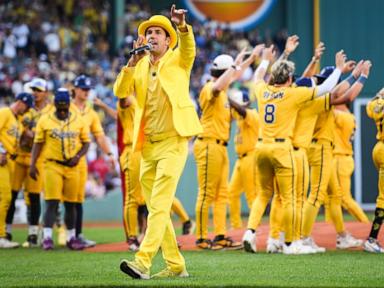
If you watch a game today, you might think you stumbled into a chaotic mix of a Broadway musical, a circus, and a professional athletic event. Players are dancing in the batter's box, umpires are doing the robot on strike three calls, and the entire stadium is singing along to classic pop songs.
But what most people get wrong is thinking this is just a modern TikTok gimmick. It's not. The Savannah Bananas are actually resurrecting the deep, forgotten history of barnstorming baseball from a century ago and giving it a massive digital age upgrade. They aren't destroying baseball's past. They're saving its future by remembering what made it joyful in the first place.
The Extinction of Fun and the Birth of Banana Ball
To understand why this works, you have to look at how bleak things were back in 2016. Jesse Cole and his wife Emily arrived in Savannah, Georgia, trying to launch a collegiate summer team. The city had just lost its minor league team after 90 years. Fans had completely checked out.
In their first few months, the Coles sold only a handful of tickets. By January 2016, the team bank account was empty and overdrawn. They had to sell their home just to stay afloat.
Cole realized that playing normal baseball wasn't going to save them. He needed to build something that put fans first. He started studying the greatest promoters in American history, specifically Walt Disney and P.T. Barnum. He asked a simple question: What if we took out every single boring part of a baseball game?
That experiment turned into Banana Ball, a fast-paced version of the sport with nine radical rules designed to keep the action moving constantly.
The rules are engineered to kill downtime:
- The Two-Hour Time Limit — No new inning can start after 120 minutes. The game forces action because the clock is ticking.
- No Bunting — Bunting is safe and boring. If a player bunts, they are thrown out of the game immediately.
- Stealing First Base — A batter can literally sprint to first base on any wild pitch or passed ball at any point during the at-bat.
- Ball-Four Sprints — There are no free walks. When a batter gets four balls, they sprint around the bases. The defense can't just stand there; every single fielder has to touch the ball before it becomes live again.
- Fan Outs — If a spectator catches a foul ball on the fly, the batter is out. The crowd isn't just watching; they are active defenders.
The strategy worked so well that the team didn't just fill the stadium; they created a ticket waitlist that sits at millions of people today. They left the collegiate league entirely to play Banana Ball full-time, selling out major league stadiums across the country.
Turning the Game Inside Out
Traditional baseball isolates the fan. You sit in a plastic seat, hundreds of feet away, hoping a ball flies your way. Banana Ball shatters that barrier.
Look at what happens during a standard game. You'll see Maceo Harrison, the breakdancing first base coach, doing full backflips and choreography when the music hits. You'll see an umpire like Vincent Chapman twerking or doing the robot to signal a strikeout.
The entertainment layers are thick. The team features the Banana Nanas, a senior citizen dance team, and the Man-Nanas, an all-dad cheerleading squad with zero shame. Every night features a "Banana Baby" celebration where an infant dressed in yellow is hoisted into the air to the soundtrack of The Lion King while players kneel around the plate.
Purists scream that this insults the integrity of the game. They claim it's a mockery. What they fail to realize is that the players are highly skilled athletes, including former minor league standouts, college stars, and occasional former Major League Baseball players. They're executing complex trick plays, flipping bats, and catching balls behind their backs while playing at a blistering speed. It takes an insane amount of athletic talent to hit a 90-mph fastball while wearing stilts or performing a synchronized dance routine with your teammates seconds before the pitch.
Resurrecting the Hidden History of Barnstorming
The biggest historical blindspot people have about the Savannah Bananas is forgetting that baseball used to look exactly like this.
Before television and massive billion-dollar stadium deals, baseball survived through barnstorming. Independent teams traveled across the country via trains, turning up in small towns to play local squads or each other. Teams like the Indianapolis Clowns or the House of David weren't just playing for wins; they were playing to survive, which meant they had to put on a show.
The Indianapolis Clowns, a legendary team from the Negro Leagues, mixed incredible baseball skills with comedy routines, shadow ball (where they ran complex infield plays without an actual baseball), and theatrical stunts. They understood that sports are part of the entertainment business.
Jesse Cole is doing the exact same thing for the streaming generation. The Bananas travel with their own built-in rivals, the Party Animals, the Firefighters, and the Loco Beach Coconuts. It mimics the classic relationship between the Harlem Globetrotters and the Washington Generals, with one massive exception: the games aren't scripted. The rival teams genuinely compete, and the Bananas regularly lose.
By creating their own ecosystem, the Bananas freed themselves from the rigid, bureaucratic rules of traditional sports leagues. They control the broadcast, the merchandise, the ticket prices, and the rules.
Why the Tech World and Corporate America are Paying Attention
The business community is obsessed with this model because it breaks every rule of modern corporate greed.
When you buy a ticket to see the Savannah Bananas, you don't get hit with hidden fees. There are no convenience fees, no parking charges, and no five-dollar bottles of water. In fact, tickets are entirely all-inclusive. Your ticket pays for your seat and all the cheeseburgers, hot dogs, chicken tenders, popcorn, and soda you can eat.
Cole decided early on that squeezing fans for an extra dollar kills long-term loyalty. By offering an all-inclusive model, he eliminated the friction of the stadium experience. Parents don't have to constantly say "no" to their kids at the concession stand.
The media strategy is equally direct. While major sports leagues lock their games behind expensive cable packages or fragmented streaming apps, the Bananas stream their games for free on YouTube and have expanded their reach through partnerships with Disney+ and ESPN. They have amassed tens of millions of social media followers by treating their content as an open invitation rather than a restricted asset.
They aren't monetizing through artificial scarcity. They're scaling through absolute abundance.
How to Apply the Fans First Philosophy to Your Own Work
You don't need a yellow tuxedo or a stadium to use this mindset. Whether you're running a local business, managing a digital product, or creating content, the underlying principles apply directly.
Audit Your Friction Points
Sit down and list every single annoying thing your customers or clients have to deal with. Is it a long onboarding process? Is it hidden pricing? Is it a boring, sterile communication style? Identify those spots and systematically destroy them. If traditional industries are making things complicated, win by making them incredibly simple.
Stop Doing What Everyone Else Does
Cole didn't look at Major League Baseball for inspiration. He looked at theme parks, theater, and concerts. If your industry's marketing looks identical across every competitor, copy a tactic from a completely different world. If you run a boring B2B software company, look at how entertainment brands talk to their fans. Break the standard industry template.
Build an Internal Experimentation Routine
The Bananas management team runs regular evaluation sessions to review what worked, what failed, and what needs to change. They try multiple new things every single night. You need a structured way to test weird ideas without worrying about perfect execution. If an idea bombs, drop it immediately and try the next one. If it hits, double down and scale it.
Stop trying to copy the old, rigid institutions that are slowly losing their grip on reality. Look at what's actually bringing people joy, remove the gatekeepers, and build an experience that people can't help but talk about.