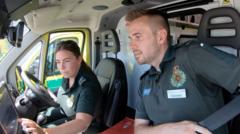
We think we know how to handle hot weather. We buy ice cream, grab a bottle of water, and complain about the lack of air conditioning. But when a real heatwave hits, the perspective changes completely inside an emergency vehicle. Spending time with a frontline ambulance service in a heatwave reveals a terrifying truth. Most people have no idea how close they are to a medical emergency.
Extreme heat is a quiet, aggressive killer. It does not look like a dramatic disaster. Instead, it slowly drains the body until organs begin to fail. Paramedics see the direct results of this neglect every summer. The calls start flooding in by midday.
The Reality Shift for Paramedics
When temperatures spike, emergency call centers transform. The types of calls change completely. It is no longer just broken bones or car accidents. Instead, it is a relentless stream of breathing difficulties, sudden collapses, and profound confusion.
Paramedics feel the strain immediately. Heavy uniforms turn into personal saunas. Inside the vehicles, air conditioning units fight a losing battle against the baking sun every time the rear doors open to load a patient.
Most calls do not come from people sunbathing on the beach. They come from ordinary apartments and houses. Brick homes turn into ovens, trapping heat with nowhere for it to go. An ambulance service in a heatwave handles an entire ecosystem of crisis that the public rarely sees. Elderly residents refuse to open their windows because they fear intruders. Vulnerable people wear winter clothing out of habit.
The pressure builds by the hour. Ambulances line up outside hospital emergency departments, waiting to hand over patients to medical teams that are already completely overwhelmed.
How Heat Actually Distorts the Human Body
Most people assume heatstroke means you just feel incredibly hot and sweaty. That is completely wrong. By the time true heatstroke sets in, your sweating mechanism has completely shut down. Your skin becomes dry, hot, and flushed.
When your core body temperature rises above 40°C, your internal systems begin to collapse. Think of it like cooking an egg. The proteins in your cells literally begin to change shape and denature. Your brain swells. Your kidneys stop filtering waste. Your heart pumps furiously to push blood to your skin to cool down, causing your blood pressure to drop dangerously low.
This drop in blood pressure is why so many people collapse. Paramedics frequently find patients unconscious on their living room floors simply because they stood up too fast after hours of dehydration.
The psychological impact is equally severe. Severe heat stress mimics symptoms of a stroke or dementia. Patients become agitated, combative, and disoriented. They argue with paramedics. They insist they are fine while their bodies are actively shutting down.
The Group Nobody Realizes Is at Risk
We know the elderly and infants are vulnerable. That is basic medical knowledge. But ambulance crews see another demographic failing regularly during extreme heat. Healthy young adults.
Fitness enthusiasts frequently make the mistake of maintaining their standard routines during peak sunshine hours. They go for midday runs. They play intensive sports. They think their physical conditioning protects them. It does not.
When you exercise intensely in high humidity and extreme heat, your body cannot evaporate sweat efficiently. Your core temperature skyrockets. Paramedics regularly treat young, muscular individuals who have run themselves straight into acute kidney injury.
Another major issue is alcohol consumption. Hot weather draws crowds to pub gardens and parks. Alcohol is a powerful diuretic. It accelerates dehydration while simultaneously masking the early warning signs of heat exhaustion. You think you are just dizzy from the beer. In reality, your cardiovascular system is screaming for help.
What to Do Before Calling an Ambulance
If you or someone near you starts feeling unwell in the heat, you must act before it becomes a life-threatening emergency. Do not wait for things to get desperate.
Move the person to a shaded or air-conditioned room immediately. Remove any excess clothing. You need to cool them down actively. Splash them with cool water or apply damp cloths to their neck, armpits, and groin. These areas have major blood vessels close to the surface. Cooling them helps lower the core temperature much faster.
Give them water or rehydration drinks, but only if they are fully conscious. Never try to force fluids down someone who is drowsy or confused. They could easily breathe the liquid into their lungs, causing a secondary crisis.
If they are vomiting, if their confusion worsens, or if their skin feels hot and completely dry, call emergency services immediately. Every minute matters when organs are overheating.
Simple Actions to Stay Out of Danger
Preventing a call to emergency services requires changing how you view hot weather. Stop treating a heatwave like a standard summer holiday. It is an extreme weather event.
Keep your living space cool by closing blinds and curtains on windows that face the sun. Open windows only when the air outside is cooler than the air inside, usually late at night or early in the morning. Otherwise, you are just letting the hot air in.
Hydrate constantly. Do not wait until you feel thirsty. By the time your brain registers thirst, you are already mildly dehydrated. Carry water everywhere. Sip it continuously throughout the day.
Check on your neighbors. Walk across the street and knock on the door of anyone living alone, especially the elderly. Make sure they have fluids. Ensure their home is not a dangerous trap. A simple five-minute check can literally save a life before an ambulance is ever needed.
Take the heat seriously. Your body has limits, and ignoring them has catastrophic consequences.