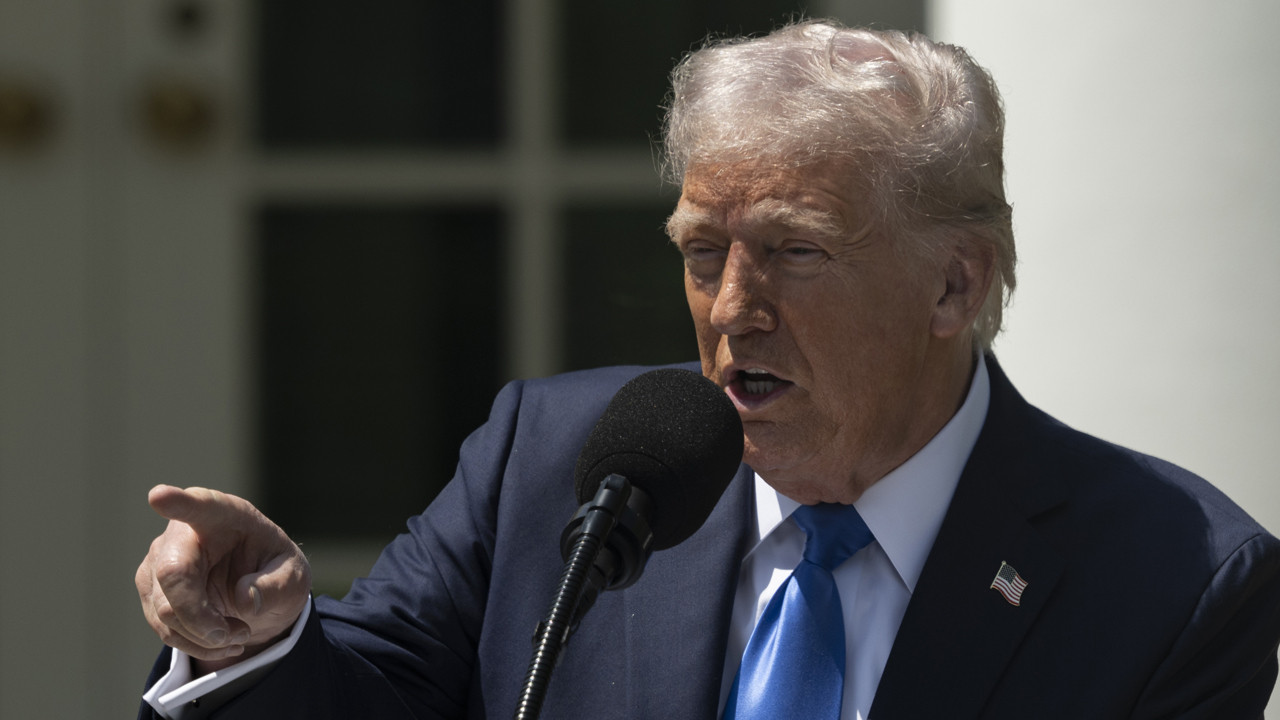
The headlines scream that peace is right around the corner. Don't buy it. When Donald Trump announced on Truth Social that he was pulling back from a massive military strike on Iran, the internet lost its mind. People assumed the five-month-old war was wrapping up.
Let's look at what actually happened. The U.S. and Israel spent months trading heavy blows with Tehran following the initial outbreak of hostilities on February 28, 2026. Energy infrastructure threats were looming large, regional anxiety was spiking through the roof, and state departments were actively telling citizens to pack their bags across ten different Middle Eastern nations. Then, a sudden pivot. Trump claimed regional allies approached Washington, arguing that the "perimeters of a deal" had finally been reached.
The Reality Behind the Deal Perimeters
Words matter, especially in high-stakes geopolitics. Trump used the word "perimeters"—a vague boundary line rather than a signed, sealed agreement. This distinction is everything.
Regional heavyweights like Saudi Arabia were panicking behind closed doors. Saudi Crown Prince Mohammed bin Salman jumped on a call with Trump to warn him that escalating the conflict further could invite devastating Iranian retaliation against Gulf energy grids. If oil production facilities go up in smoke, global markets crash instantly. That pressure from local partners wasn't altruistic; it was raw survival.
The proposed framework centers heavily on two massive concessions:
- The immediate, complete reopening of the Strait of Hormuz for global shipping.
- A definitive halt to Iran's nuclear weapons ambitions.
Sounds great on paper. We've heard this movie before. Mid-June deals during this exact conflict collapsed within weeks. Tehran's hardliners are notoriously difficult to pin down, and Iranian officials have a habit of talking tough publicly while sending mixed signals through diplomatic backchannels.
Why This Pause Is Not a Peace Treaty
You need to understand the military posture right now. The U.S. armed forces didn't pack up and go home. They are still positioned across the region, and Washington made it clear that the cancellation is entirely subject to how fast the opposing sides can actually make a deal happen.
It is a tactical timeout disguised as a diplomatic breakthrough.
Think about the incentives. Iran's leadership faces immense internal pressure, struggling infrastructure, and crippling economic sanctions. Meanwhile, the White House caught heavy flak after incidents like the thwarted drone or missile activity near U.S. bases in Jordan. Pausing the bombs allows everyone to catch their breath without losing face. But if negotiators drag their feet for even a few days, those jets will roll again.
What to Watch Next
Stop listening to the breathless optimism on cable news. Watch the physical movement of commercial tankers through the Strait of Hormuz. Watch the tone coming out of Tehran's foreign ministry. If concrete verification mechanisms aren't established immediately, this whole arrangement will fall apart faster than the summer truce did.
The countdown has begun. Get ready for a rocky week.


