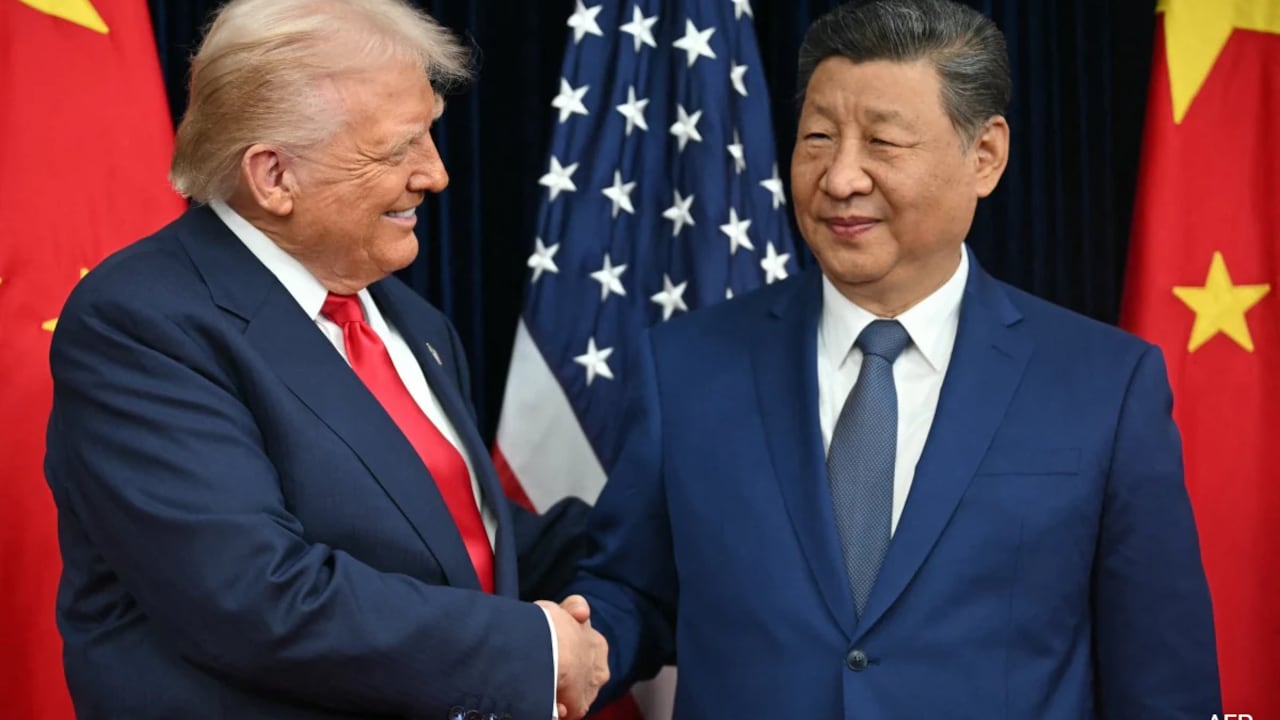
Ceremonial displays in international politics usually mean nothing. A military flypast and a white-tie banquet sound like standard diplomatic window dressing. But when Donald Trump rolls out the tarmac reception at Joint Base Andrews for Xi Jinping, the optics carry heavy political weight. You are looking at a masterclass in transactional theater.
Let us break down what is actually happening behind closed doors. US presidents rarely leave the White House lawn to greet visiting heads of state at an airport. It is a protocol reserved for extreme exceptions. Dwight D. Eisenhower met Nikita Khrushchev on a tarmac, and John F. Kennedy did the same for Harold Macmillan. Breaking that tradition for Xi Jinping's first Washington visit in over a decade sends a loud signal. Trump wants high-stakes optics, and he wants them immediately.
Expectations for major policy breakthroughs remain remarkably low. If you are waiting for a comprehensive trade pact or an ironclad arms control treaty on artificial intelligence, you will be disappointed. Both superpowers are locked in a ruthless race for technological supremacy. Treasury Secretary Scott Bessent and Chinese counterpart He Lifeng discussed setting up basic communication channels for AI safety, but concrete enforcement mechanisms are entirely absent.
Why bother with the pageantry at all if the policy output is thin? The answer comes down to political survival and risk mitigation. Trump faces a brutal domestic calendar, including stubborn midterm elections and mounting questions over foreign entanglements like the ongoing financial drain in the Middle East. Xi Jinping is navigating an economic slowdown back home while playing the long game against Washington's fluctuating electoral cycles. Beijing knows that securing a temporary trade truce extension is far more valuable than signing a flawed, permanent agreement that neither side intends to follow.
Criticism inside Washington has been fierce. Figures like Republican Senator Roger Wicker have publicly balked at treating a primary strategic competitor with royal treatment. Calling out the Chinese leadership style on Capitol Hill plays well with domestic hawks. Yet, the White House prefers the distraction of a lavish banquet and a tour of the National Archives to the grinding frustration of unresolved tariff disputes.
Real negotiations rarely happen under the glare of TV cameras. The real work takes place in narrow rooms where aides haggle over rare-earth mineral quotas and supply chain choke points. China controls the vital rare-earth materials that American defense manufacturers desperately need. Washington controls the financial architecture that Beijing's export-driven economy relies on. They are locked in a mutual hostage situation disguised as a handshake.
Look past the military jets roaring overhead and the champagne toasts in the East Room. The underlying power dynamic between Beijing and Washington remains intensely adversarial. Stop expecting grand summits to magically fix structural disagreements. The goal here is simple management of a cold peace, dressed up to look like a historic friendship.