You can now book a ticket to the edge of space through a mainstream online travel platform. That sounds like sci-fi. It is actually reality. Trip.com's luxury sub-brand HHtravel recently rolled out a jaw-dropping space flight package priced at 5.1 million yuan, which translates to roughly US$760,000.
Unsurprisingly, the internet broke out into intense arguments immediately. Some folks call it an elite marketing gimmick. Others question the physical safety and the sanity of dropping a luxury apartment's worth of cash on a 90-minute ride. Let's break down what you actually get for your money, why people are freaking out, and what this means for commercial space travel. In other news, we also covered: What Really Happened When That Turkish Airlines Flight Hit Severe Turbulence.
What's Included in the Five Million Yuan Ticket
If you are wondering what a US$760,000 travel itinerary looks like, it is surprisingly short. The whole experience spans six days.
The first four days are packed with preflight training. You will head to Las Cruces, New Mexico, where Virgin Galactic operates its flights. There, you will undergo rigorous preparation, get fitted for a custom spacesuit, and learn how to handle high-G forces. Lonely Planet has provided coverage on this important subject in extensive detail.
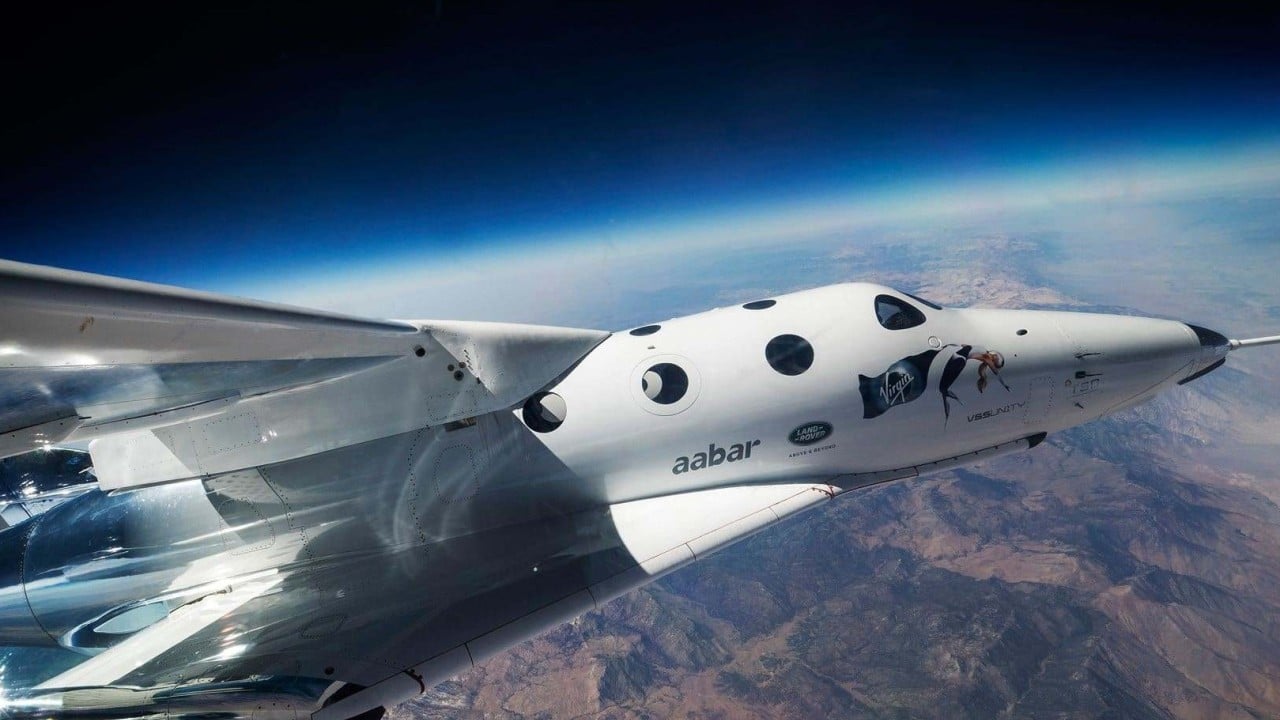
On day five, the main event happens. You board an air-launched spacecraft for a suborbital flight lasting roughly 90 minutes total. You cross the boundary into space, experience weightlessness for a few minutes, gaze back at the curve of the Earth, and head back down. The package covers your local luxury accommodation, transport during training, your gear, and commemorative souvenirs like badges and flight videos.
Here is what it does not cover: your international flights to the United States, your entry visas, and specialized personal insurance for a suborbital rocket trip. You are on your own for getting to the launchpad.
The Safety Debate and Public Skepticism
Social media platforms like Xiaohongshu lit up the moment the listing went live. Critics pointed out a massive elephant in the room: liability and safety.
Real astronauts train for years, building cardiovascular endurance, muscle strength, and psychological resilience to handle extreme launch conditions. How can a few days of preparation in New Mexico genuinely prepare an everyday civilian for rocket flight? That is the core question worrying prospective buyers and armchair critics alike.
Commercial spaceflight is growing, but it remains experimental. Virgin Galactic has faced continuous delays, pushbacks on next-generation vehicles, and heavy scrutiny over engineering timelines. Handing over three-quarters of a million dollars to ride a rocket that relies on bleeding-edge, frequently delayed technology feels too risky for many, even among the ultra-wealthy.
Who Is This Actually For
Let's be realistic. The target market for a US$760,000 ticket is not the average traveler saving up for a European vacation. This is marketed directly at China's growing ultra-high-net-worth demographic.
For billionaires and tech moguls, luxury travel has shifted from private islands and superyachts to extreme experiential milestones. Bragging rights have evolved. Showing photos of a private jet is old news. Posting a video of yourself floating in zero gravity while looking down at the planet changes your social standing entirely.
Platforms like Trip.com listing these packages signal a major shift in luxury consumer habits. Travel agencies no longer compete just on five-star hotel bookings or VIP airport lounge access. They compete on access to the impossible.
What to Watch Next in Commercial Space Tourism
If you have the bank account for it and want to book your own flight, you are dealing with tight inventory. Virgin Galactic previously opened bookings for a limited tranche of 50 spaces at US$750,000 each, and those slots sold out fast, pulling in over $50 million in future revenue. Demand exists, even at astronomical price points.
The real test will be execution. As companies work through technical hurdles and push commercial vehicle rollouts into next year, public trust will hinge on flawless execution. If these flights happen safely, US$760,000 might soon look like an early adopter discount for the ultimate vacation package. If things go wrong, expect the backlash to freeze the commercial space tourism market overnight.
Start saving your pennies or stick to economy flights to Tokyo. The choice is yours.