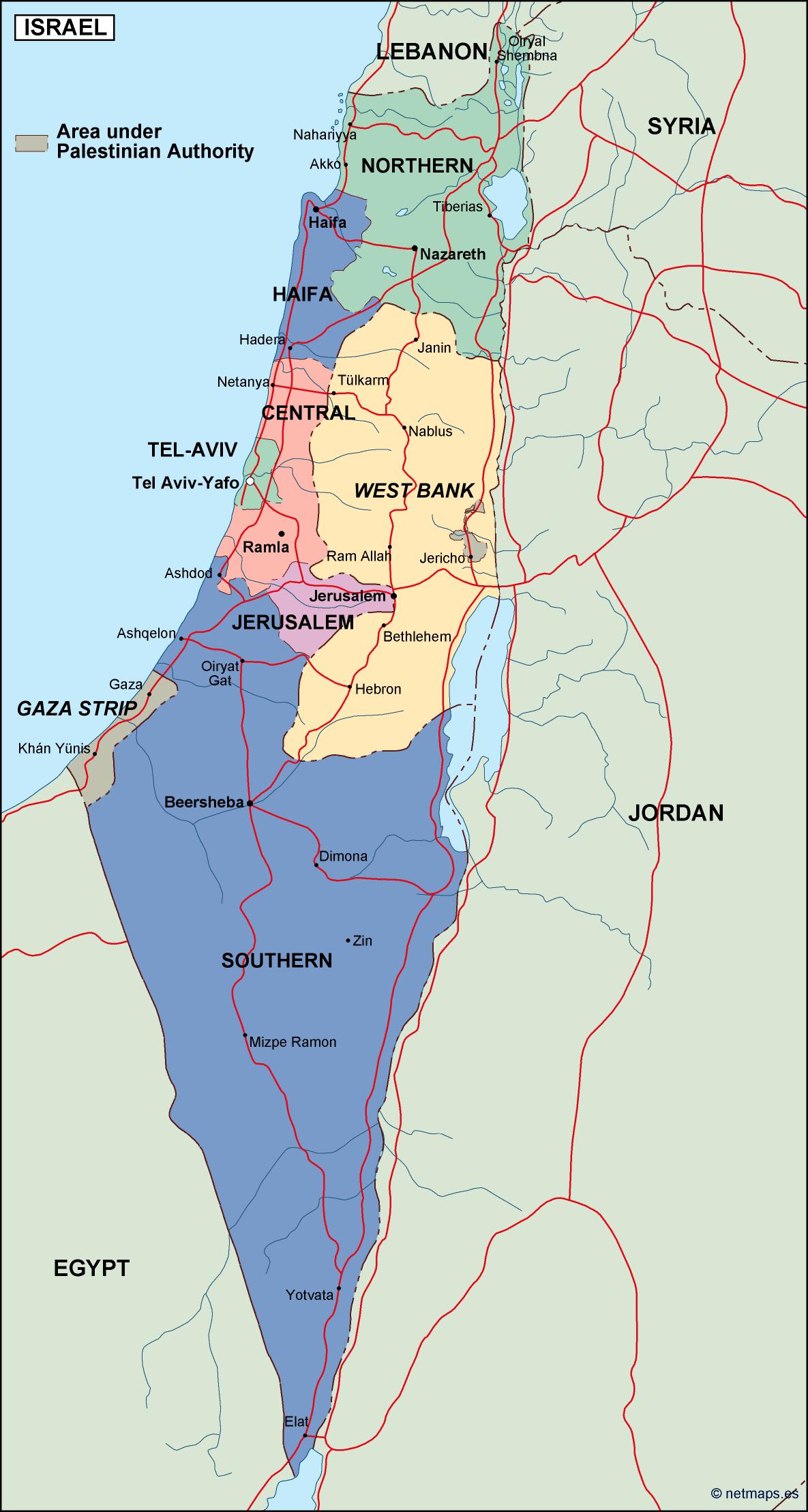
Two watchmen died outside a marked Doctors Without Borders clinic in Gaza City overnight on November 27, 2026, setting off a sharp clash between humanitarian staff and the Israeli military. Doctors Without Borders, known internationally as MSF, says the strike hit its clinic directly and brings its Gaza staff death toll to 17. The Israel Defense Forces say the two men were Hamas operatives—including an artillery cell commander—who doubled as clinic security and posed an active threat.
If you only read the headline, you might think this is just another one-line casualty report from a brutal conflict. Honestly, it's much messier than that. It exposes how hard it is to verify claims inside an active war zone, how deconfliction coordinates can fail or collide with intelligence claims, and why clinic security has become one of the most contentious flashpoints in Gaza.
What Happened at the Gaza Clinic and Why Both Sides Clash
According to MSF's statement, the strike hit one of its clinics in the Gaza City area. The charity emphasized that the site displayed clear MSF logos and that its coordinates had been shared with and were known by the Israeli military. Reporting from the BBC noted that two men working as watchmen—identified as Muhammad Hasira and Moaz Alitsbach—were near the clinic entrance when an Israeli drone struck.
The IDF's account looks very different. Military officials confirmed the strike but asserted that both men belonged to Hamas and used their roles as clinic guards while participating in attacks and efforts to rebuild military capabilities. One of the men, the military said, was an artillery cell commander. The IDF also stated that it used precision munitions and aerial surveillance to limit civilian harm and denied targeting a hospital or damaging medical infrastructure.
Neither account has been independently verified on the ground. In conflicts like this one, independent verification is tough because access is restricted, front lines shift rapidly, and official statements often arrive hours before any forensic or documentary evidence surfaces.
Why Clinic Security and Allegations of Militant Links Matter
Watchmen and security guards sit in a gray area that rarely gets enough attention in short news briefs. Aid clinics in high-risk zones hire local security staff to protect supplies, staff, and patients from theft, looting, and disorder. At the same time, those local hires live inside the same community under armed faction control, which creates acute vetting challenges for international agencies.
MSF has repeatedly denied employing members of armed groups. Meanwhile, the Israeli military has argued across the war that Hamas embeds fighters or infrastructure within or alongside civilian and humanitarian spaces—a claim that has accompanied repeated strikes on medical sites and surrounding areas. Rights groups, by contrast, have argued that Israel hasn't provided enough evidence in many instances to justify strikes affecting medical facilities.
Here's what trips up a lot of casual readers. International humanitarian law protects medical facilities and personnel, yet legal analysts note that protection can be lost if a site is used to commit acts harmful to the enemy—and even then, strict rules of proportionality and precaution still apply. When a strike happens outside or at the entrance of a clinic, arguments quickly split over whether the target was the facility, specific individuals, or an alleged military threat nearby.
International Law, Deconfliction, and the Stakes for Aid Workers
World Health Organization Director-General Tedros Adhanom Ghebreyesus condemned attacks on health facilities, health workers, and humanitarian personnel in Gaza as "outrageous and unacceptable," repeating a core principle of humanitarian work: people trying to save lives shouldn't be attacked.
For humanitarian organizations, deconfliction—sharing GPS coordinates and markings of clinics, convoys, and shelters with warring parties—is meant to keep teams safe. Sharing coordinates doesn't guarantee immunity, though. When a military says it acted on intelligence about combatants, a clash of narratives is almost guaranteed unless verifiable proof is made public.
The human cost adds up fast. With two more staffers killed, MSF's toll in Gaza stands at 17 colleagues. Earlier in the war, the group even suspended certain hospital operations over the presence of armed men. Every incident forces aid leaders to weigh a grim trade-off: stay open to treat wounded and sick civilians under severe risk, or pull back and leave people without care.
Common Misconceptions About Strikes on Medical Sites
- Myth: Sharing clinic coordinates makes an attack legally impossible. Knowing a site's location is essential for avoiding accidental strikes, but militaries may still claim a lawful target was present. That's why accountability and independent investigations matter so much.
- Myth: A single statement from either side settles the facts. Both MSF and the IDF have clear institutional interests and public narratives. Treat initial statements as claims to test against corroborating reporting, satellite or visual evidence, and later findings—not as final proof.
- Myth: Every strike near a clinic is identical in legal terms. Location, timing, whether the strike hit inside a treatment ward or outside a gate, and what evidence exists about combatants all shape how experts evaluate an incident.
How to Follow Developing Coverage Without Getting Misled
If you want to track this story accurately as more details emerge, focus on verifiable signals rather than viral hot takes:
- Compare primary statements side by side. Read the full text of MSF's reporting coverage alongside reporting on the IDF's allegations so you see exact wording—such as whether a strike hit the clinic structure itself or personnel outside.
- Watch for independent corroboration. Look for follow-up reporting from major wire services, international monitors, or visual verification that confirms physical damage, exact positions, or supporting evidence.
- Track broader operational shifts. Pay attention to whether MSF or other agencies alter clinic hours, security protocols, or operations in Gaza City following the deaths, since operational changes often signal real risk on the ground.