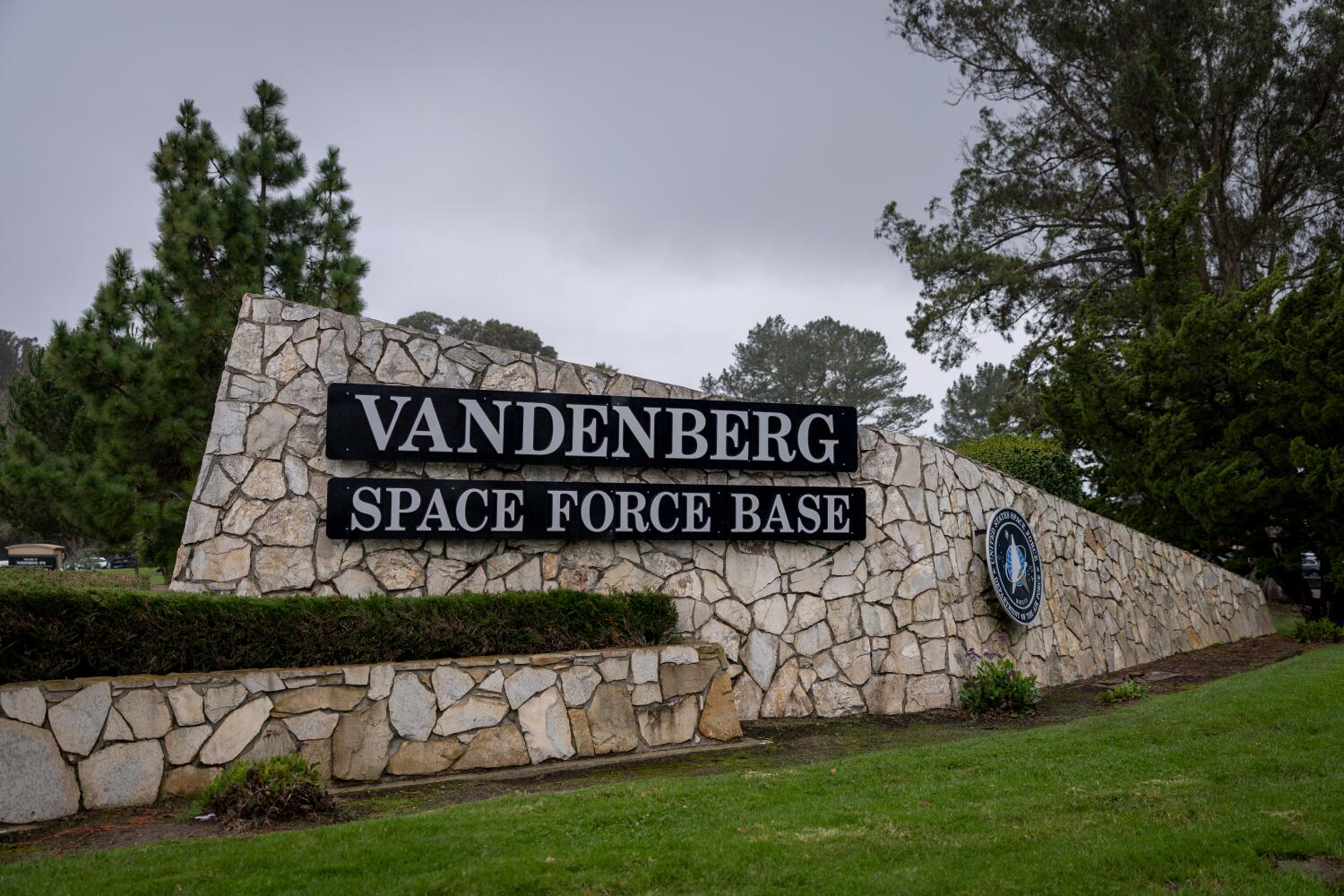
Military operations aren't just about launching rockets or flying stealth jets. They're about moving tons of earth, pouring concrete, and operating massive iron machines under intense pressure. On July 16, 2026, that reality hit home in the most devastating way possible. Airman 1st Class Cedric Eneluna, a 23-year-old heavy equipment operator, died when his vehicle rolled down an embankment at Vandenberg Space Force Base.
Most news outlets ran a brief blurb about the tragedy. They copied the press release, pasted the quotes, and moved on. But if you want to understand what actually happens on a sprawling military installation like Vandenberg, you have to look closer at the dangerous work that keeps these bases running. We aren't talking about clean, high-tech control rooms. We're talking about the brutal, necessary grind of horizontal construction.
The Men and Women in the Dirt
Eneluna belonged to a very specific, fiercely proud community within the U.S. Air Force. He was part of the 30th Civil Engineer Squadron's Pavements and Equipment Flight. Down in the dirt, nobody uses that long, formal title. They call themselves the Dirt Boyz.
It's a nickname earned through sweat and heavy diesel exhaust. The Dirt Boyz handle the heavy machinery. They operate the bulldozers, the graders, the excavators, and the massive dump trucks. If a runway cracks, they fix it. If a new launch pad needs clearing, they move the rocks. When wildfires threaten the California coast, they jump into fire dozers to cut raw breaks through brush and steep hillsides.
Vandenberg covers over 100,000 acres of rugged, coastal California terrain. It's beautiful, but it's also incredibly unforgiving. The hills are steep, the soil can shift, and the coastal fog often rolls in without warning. Operating heavy equipment in this environment takes skill, focus, and a lot of grit. Eneluna had been doing exactly that since he arrived at the base in August 2024, just five months after enlisting.
The Reality of the Crash
The incident happened right around 11:30 a.m. on a Thursday. Eneluna was operating a piece of heavy equipment on the base. For reasons still hidden behind an official investigation, the machine lost its footing. It went over the edge and rolled down a steep embankment.
Emergency crews rushed to the scene, but the sheer weight and force of a rolling heavy industrial vehicle leaves very little room for survival. Eneluna was pronounced dead at the scene. Fortunately, no other personnel were injured, meaning he was likely working a section alone or leading the way through a difficult piece of terrain.
Right now, the Santa Barbara County Coroner's Office hasn't declared an official cause of death. That's standard practice. They don't guess. They wait for full autopsies and mechanical evaluations.
The Unseen Toll of a Knock on the Door
While the media focused on the base statistics, the real heartbreak was unfolding thousands of miles away. Eneluna grew up in the Philippines, attending UNO-R Senior High, a private Catholic university, before moving to St. Louis, Missouri. He considered St. Louis his American hometown.
His mother, Myra Locsin, shared a devastating glimpse into the life of a military family on Facebook. Thursday night, four of Eneluna's brothers in service knocked on her door. Every military parent knows exactly what that knock means.
Locsin wrote that for a split second, she thought her son was just hiding behind the other airmen to surprise her. It's a gut-wrenching detail that highlights the human cost behind every military training accident. He wasn't just a name on a roster. He was a smart, responsible kid who was incredibly excited about his future military career.
How the Military Investigates These Incidents
When a civilian dies on a construction site, the Occupational Safety and Health Administration steps in. In the military, the process is different and far more intense. Vandenberg officials immediately convened a Safety Investigation Board.
You need to understand how these boards function to know why details are scarce right now. A Safety Investigation Board has one primary goal: prevent it from happening again. They don't look for people to blame or court-martial. Because of that, they grant absolute confidentiality to witnesses. Airmen can speak freely about mechanical failures, poor training, or leadership errors without fear of ruining their careers.
The downside for the public is that the findings of a Safety Investigation Board are highly protected. The military won't release the full report to the media. Later on, they might convene an Accident Investigation Board, which is public and focuses on accountability, but the immediate priority is finding out if every other piece of heavy equipment on that base needs to be grounded.
The Critical Mission of Space Launch Delta 30
People hear "Space Force Base" and think about satellites and cyber warfare. They forget that you can't launch a rocket without a massive physical footprint. Vandenberg is the primary military spaceport on the West Coast.
The base handles massive national security launches, tests unarmed intercontinental ballistic missiles, and runs critical tracking ranges. Every single one of those missions relies entirely on civilian engineering flights. If the roads leading to a remote launch site wash out during a heavy winter storm, the rockets don't move. If the airfield tarmac degrades, the support planes can't land.
Eneluna and his team were the foundation of that entire operation. They did the unglamorous, heavy lifting that allowed commanders like Col. James T. Horne III to execute high-profile space missions.
The Common Risks of Heavy Equipment Operations
Operating heavy machinery is inherently dangerous, even outside the military. The civilian sector sees thousands of severe injuries every year involving similar equipment. The most common culprit is a rollover.
When a multi-ton bulldozer or excavator operates near an edge, the ground underneath can fail. A hidden pocket of soft dirt or a sudden shift in weight can send a massive machine sliding down a slope in seconds. Once a vehicle that size starts to tip, the operator is completely at the mercy of the machine's roll cage and seatbelt systems. If those systems fail, or if the impact is violent enough, the results are almost always fatal.
Investigators will be looking closely at several key factors over the coming weeks:
- Was the ground properly surveyed before the machinery moved in?
- Did the specific vehicle suffer a catastrophic mechanical failure, such as a brake loss or steering lock?
- Were the weather conditions and visibility factors in the vehicle losing traction?
- Was the equipment properly maintained according to the strict schedules required by the Air Force?
What Happens Next on the Base
The grieving process inside a tight-knit unit like the 30th Civil Engineer Squadron is intense. Lt. Col. Seth Poulsen noted that Eneluna brought out the best in everyone and always showed up with a positive attitude. That kind of loss leaves a massive void in a small flight.
Base officials haven't finalized the details for the local memorial services yet. In the coming days, the flight will likely hold a private ceremony to honor their fallen comrade. The Dirt Boyz will do what they always do: they'll lean on each other, finish the job, and wait for the safety investigators to tell them how to prevent another tragedy.
If you want to support military families going through these exact situations, look into established organizations like the Tragedy Assistance Program for Survivors or the Air Force Aid Society. They provide immediate, practical help to families who receive that devastating knock on the door. Keep an eye on official updates from Space Launch Delta 30 for formal announcements regarding memorial funds or public services.