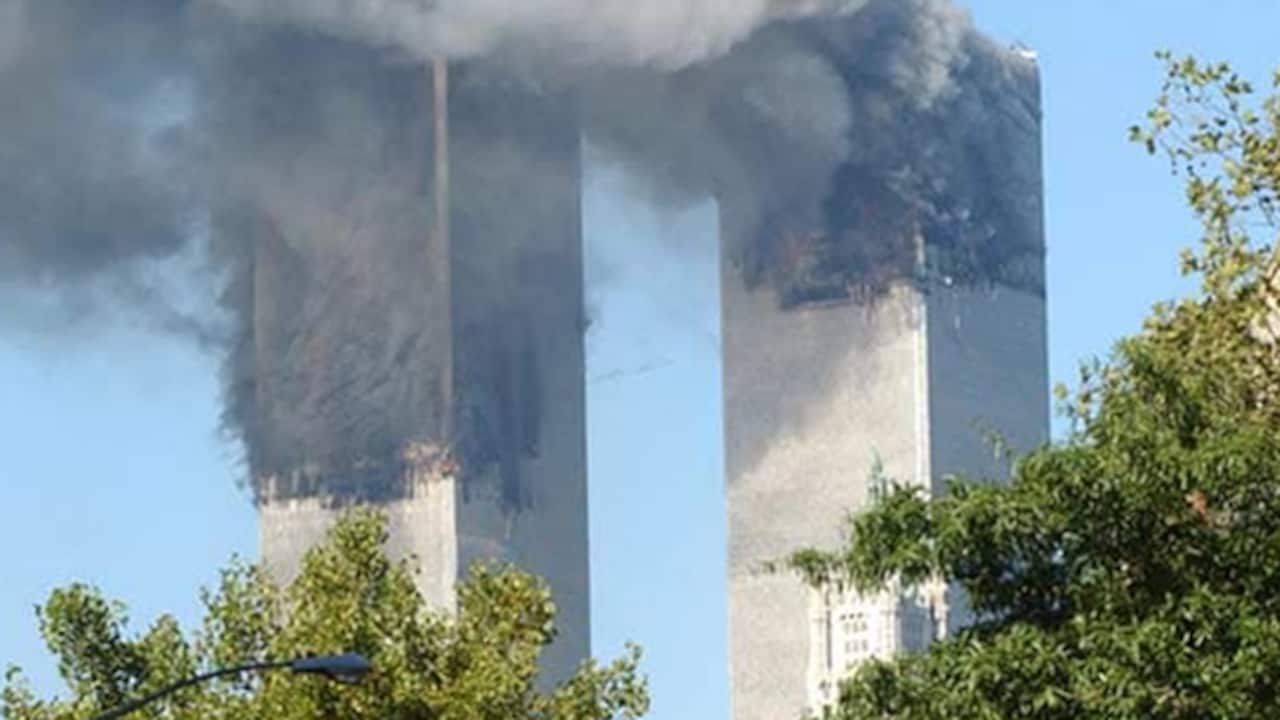
The warning sat on a reel of magnetic tape, unprocessed and unread. On September 10, 2001, the National Security Agency intercepted a transmission containing two chilling phrases: "The match begins tomorrow" and "Tomorrow is zero hour." Nobody translated the words until September 12. By then, the towers were already dust.
History loves a neat narrative. We often look back at massive tragedies and assume someone somewhere deliberately dropped the ball out of sheer malice or negligence. The reality of 9/11 is far messier. It is a story of bureaucratic overload, language bottlenecks, and signals drowning in a sea of background noise. Let us look at what actually happened behind closed intelligence doors in those final, critical hours. Recently making waves recently: Why Sweden Left Party Scandals Over Antisemitism Change Everything.
The Babel Problem Inside the NSA
You cannot intercept what you cannot read. That sounds obvious, but during the summer of 2001, the American intelligence apparatus faced a massive structural vulnerability. They had ears everywhere, but they severely lacked fluent ears.
Thousands of intercepted communications piled up daily. Translators were stretched dangerously thin. When the NSA scooped up the September 10 messages from Afghanistan, they went into a queue. They were foreign-language audio files sitting on a digital shelf. Additional details regarding the matter are detailed by Wikipedia.
It is easy to point fingers now. Yet, working inside that environment meant drowning in false alarms. Throughout May, June, and July of 2001, the agency intercepted at least 33 separate communications hinting at an impending operation. Threat streams flooded desks daily. When everything is classified as urgent, nothing is. Analysts suffered from chronic fatigue and sensory overload.
What the August Intercepts Actually Said
The red flags did not just pop up overnight. Weeks before the planes hit, the warning signs were already flashing. On August 27, an al-Qaeda member in Madrid chatted on a phone line about aviation.
The original quick translation went something like this: "In our lessons we have entered the field of aviation. We've even cut the throat of the bird."
Months later, linguists corrected the phrasing to an eagle's throat. But in late August, it was just another ambiguous snippet in a massive intelligence stack. CIA Director George Tenet knew something big was coming. He ran around Washington warning anyone who would listen that the threat environment looked blindingly bright red. Yet, actionable specifics remained elusive. Nobody mentioned hijacked domestic airliners hitting specific skyscrapers. The puzzle pieces existed, but nobody had the time or the coordination to assemble them.
Why Intelligence Failures Keep Repeating
We talk about 9/11 as a unique historical anomaly, but the systemic cracks that caused it are universal. Agencies build massive nets to catch threats, but they often lack the filtration systems to make sense of the catch.
Data volume beats intelligence capability every single time. Collecting more information does not keep you safer if you cannot process it quickly. Bureaucratic silos make things worse. Information guarded tightly by one agency rarely reaches the desk of another in time.
If you want to understand how large organizations miss obvious threats, look at how information flows. When everyone owns a piece of the puzzle, nobody owns the whole picture.
Stop pretending intelligence agencies possess crystal balls. They operate in a fog of war, wading through mountains of static, trying to separate literal chatter from operational reality. The tragedy of those translated-too-late messages reminds us that safety relies less on how much you hear and much more on how fast you understand what you are listening to.