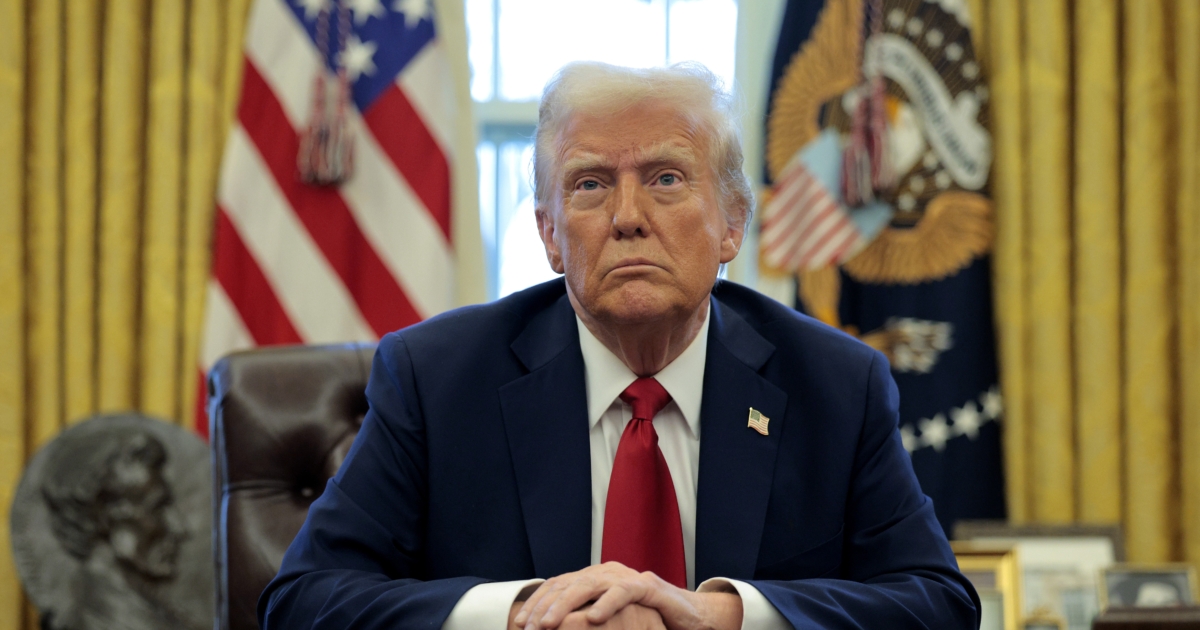
When a U.S. president stands before American service members and shrugs off the idea that Russia or China are propping up Iran, people hear two totally different things. Some hear a cool-headed leader refusing to get dragged into a wider regional war. Others hear someone brushing past real threats that put troops and shipping lanes at risk.
I couldn't pull up the full competitor piece directly because that Google News link was blocked behind an access restriction, so I'm focusing strictly on the core topic signaled by that headline. Let's be real right away. Downplaying Russian and Chinese support for Iran during talks with U.S. troops isn't just a throwaway line for the cameras. It's a calculated message meant to shape troop morale, signal restraint to adversaries, and frame Washington's leverage in the Middle East. If you enjoyed this post, you should check out: this related article.
Still, treating Moscow and Beijing as non-factors in Tehran's survival is a risky bet. Even if neither country wants to fight a shooting war with the United States over Iran, both benefit when Washington stays tied down or distracted. That tension is where the real story lives.
Why Downplaying Russia and China Backing Iran Matters During Troop Talks
Talking to uniformed personnel carries a different weight than holding a press briefing at the White House. Troops deployed in or near the Middle East live with the daily reality of air defenses, drone threats, maritime patrols, and rapid-escalation scenarios. When a commander-in-chief downplays outside backing for Iran in front of them, the subtext is clear: you aren't facing a united global coalition standing behind Tehran. For another angle on this event, refer to the recent update from NPR.
From a political and strategic angle, that framing serves a few clear purposes. First, it projects calm and confidence. Service members don't want to feel like pawns in a three-way superpower chess match; they want clarity on mission goals and force protection. Second, playing down external support lowers the temperature publicly. If leaders talk up a grand Moscow-Beijing-Tehran axis every single day, every minor skirmish starts looking like the opening move of a much bigger conflict.
Honestly, there's a negotiation angle too. Publicly inflating an adversary's foreign support can make that adversary look stronger than they are—or give them extra bargaining chips. By treating Russian and Chinese help to Iran as limited or manageable, a U.S. leader tries to keep the spotlight on American deterrence and regional pressure rather than handing Tehran a bigger stage.
Yet there's a catch. Troops and intelligence analysts know that publicly downplaying a threat isn't the same as ignoring it on the ground. A leader can strike an upbeat, dismissive tone in front of a room full of soldiers while planners quietly track sanctions evasion, diplomatic cover, and dual-use technology flows behind closed doors.
The Gap Between Rhetoric and Reality in Tehran's Foreign Ties
If you look closely at how Russia, China, and Iran actually interact, calling them a tight military alliance misses the mark—and calling their backing meaningless misses the mark just as badly. It's messy. It's transactional. And it shifts depending on what each capital needs at the moment.
Let's break down what's actually going on instead of relying on slogans.
Russia and Iran: Practical Partners With Limits
Moscow and Tehran have leaned on each other when convenient, especially around defense trade, diplomatic pushback against Western pressure, and shared regional headaches. Russia has needed outside suppliers and partners to sustain its own defense-industrial output and work around sanctions, while Iran has sought diplomatic cover, advanced capabilities, and counterweight support against Western isolation.
At the same time, they aren't blind brothers-in-arms. Russia has its own balancing acts in the Gulf and with regional Arab states, and Moscow generally avoids commitments that would force it into direct military confrontation with the U.S. over Iranian territory. Saying "Russia won't save Iran in a real showdown" has plenty of truth to it. Saying "Russia's backing doesn't matter at all" is much harder to defend.
China and Iran: Economic Lifelines Over Military Pacts
China's relationship with Iran looks very different from Russia's. Beijing's primary lens is economic stability, energy access, and regional influence—not signing up to defend Iran militarily. China has long been a major buyer of discounted Iranian oil when sanctions squeeze other routes, giving Tehran vital hard-currency breathing room even when Western financial pressure ramps up.
That economic lifeline matters enormously. You don't need Beijing to send warships into the Persian Gulf for its policies to affect the Middle East. Simply keeping trade channels open, resisting stricter multilateral sanctions at the United Nations, and pushing its own diplomatic narratives changes the math for Tehran. Still, China also trades heavily with Gulf states and watches broader global market stability closely, which puts real boundaries on how far Beijing wants conflict to escalate.
Common Mistakes People Make Reading These Speeches
Whenever headlines highlight a leader downplaying foreign support for Iran, commentary tends to swing wildly in one direction or the other. Both extremes trip people up.
- Mistake 1: Assuming "downplaying" means "denying everything." Politicians use shorthand in speeches. Saying outside support isn't decisive or won't bail out an adversary isn't the same as claiming zero trade, zero diplomacy, or zero military cooperation exists.
- Mistake 2: Treating Russia, China, and Iran as one single bloc. Lumping them together makes for punchy cable news graphics, sure, but each country has separate priorities. China cares deeply about trade routes and energy prices; Russia cares about military pressure, sanctions relief, and regional leverage; Iran cares about regime survival and regional influence.
- Mistake 3: Confusing diplomatic sympathy with military guarantees. Having friendly rhetoric or veto power in diplomatic forums is worlds apart from putting forces in harm's way to rescue another country during a crisis.
- Mistake 4: Ignoring the audience in the room. Remarks aimed at U.S. troops are shaped by morale, readiness, and deterrence messaging—not just academic foreign-policy nuance.
I've seen plenty of readers treat a single speech as a complete policy blueprint. It rarely is. A speech sets tone and intent; force posture, sanctions enforcement, and intelligence assessments show what's happening underneath.
What to Watch Next Instead of Chasing Headlines
If you want to cut through the noise the next time a U.S. leader downplays Russian or Chinese support for Iran during talks with troops, focus on observable facts rather than soundbites.
- Track trade and energy flows, not just speeches. Watch credible reporting from energy trackers, think tanks like the Council on Foreign Relations, and official U.S. Department of State or U.S. Department of Defense statements to see whether sanctions enforcement is tightening or loosening.
- Look for concrete military commitments. Diplomatic statements are cheap. Real military backing shows up in hardware transfers, intelligence sharing, joint exercises, or force deployments—and even then, it comes with limits.
- Pay attention to Gulf and regional reactions. Countries across the Middle East watch Washington, Beijing, Moscow, and Tehran constantly. Shifts in regional diplomacy and maritime security alerts often reveal more about real leverage than a five-minute clip from a troop visit.
- Separate morale messaging from strategic risk. Keep two tracks in your head at once: why a leader wants troops to feel confident and focused, and why security analysts still track indirect foreign support as a real complication.
Good foreign-policy reading isn't about picking a team in a comment section. It's about watching what leaders say in front of cameras, checking how real-world incentives line up, and staying clear-eyed when rhetoric and reality don't quite match.