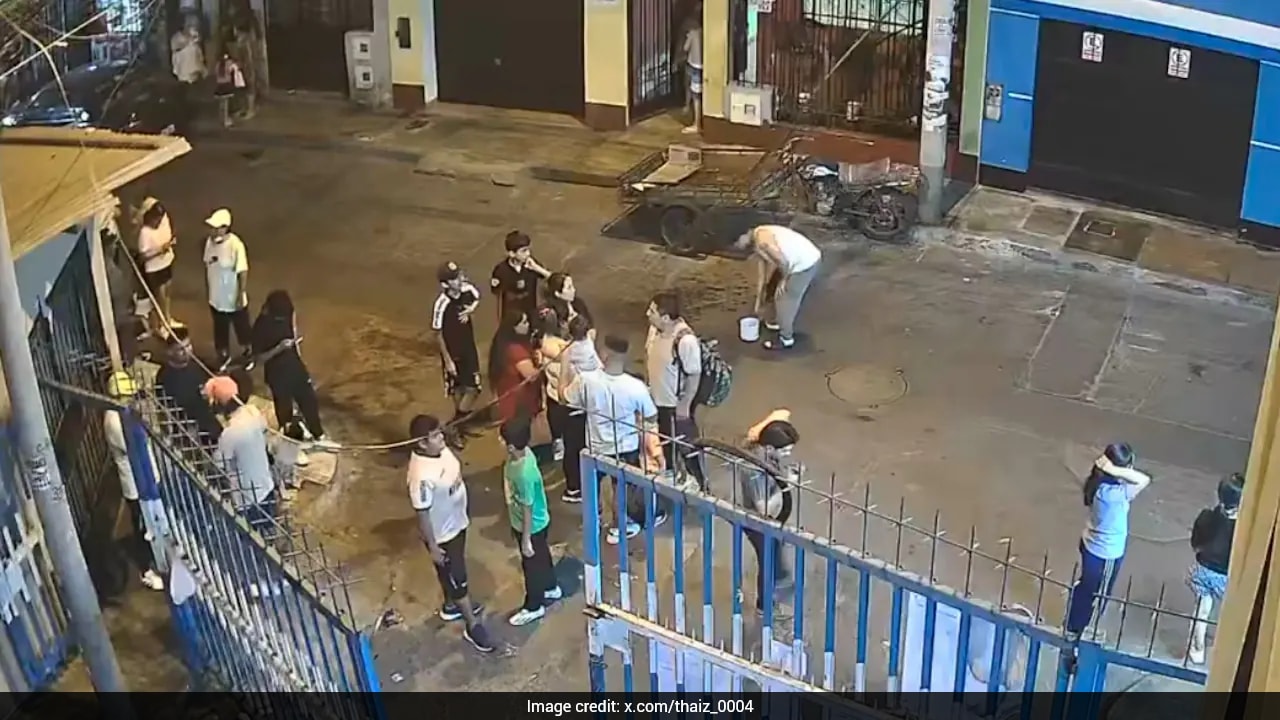
Walls rumbled in Lima, families grabbed children and pets, and thousands poured onto avenues after a 6.9 magnitude earthquake struck central Peru on Friday evening, November 20, 2026. Yet despite dramatic street scenes and rolling motion across the capital, no immediate deaths or widespread building collapses were reported.
Most breaking news clips stop right at the street panic. Honestly, watching people sprint out of apartment blocks makes a tremor feel like a worst-case disaster even when the physics tell a very different story. Here's what actually happened at 7:09 p.m. local time, why depth and geology kept early damage reports low, and what residents and travelers should do next.
What Happened When the 6.9 Earthquake Hit Peru
Seismological agencies logged the Friday evening jolt in Peru's central Andes, with estimates clustering around magnitude 6.7 to 6.9 and initial reports placing the focus roughly 22 to 34 kilometers from Junin and Ondores in the Junin region. Depth estimates varied between agencies—around 108 kilometers reported by the U.S. Geological Survey and 129 kilometers reported by Peru's Geophysical Institute, with another report citing roughly 142 kilometers.
All of those numbers point to one crucial detail. This wasn't a ultra-shallow crustal rupture right beneath a dense city center. It was a deep-seated event well over 100 kilometers underground.
In Lima and nearby Callao, residents felt long, swaying rolling motion that rattled walls and sent households into squares and streets. Peruvian authorities ruled out a tsunami threat along the Pacific coast, while local emergency officials noted isolated landslides along mountain routes such as the Carretera Central rather than urban ruin.
Why Depth Changes How a Quake Feels vs. How It Breaks Things
People often assume a higher magnitude number automatically equals catastrophic destruction. It doesn't. Magnitude measures total seismic energy released at the source, while intensity describes how hard the ground actually shakes at a specific spot on the surface.
Depth changes that math fast. When a quake ruptures at 10 to 25 kilometers deep, seismic waves slam into surface rock and soil almost directly above the break. Push that rupture down past 100 kilometers, and the energy has to travel a much longer path through rock layers before reaching homes, bridges, and hillsides.
That long travel distance explains two things people in Lima noticed right away:
- Longer, rolling waves: Distant deep quakes often produce slower, rolling ground motion over tens of seconds rather than a violent, high-frequency snap right under your feet. Tall buildings and upper floors sway noticeably, which freaks people out even when structural frames hold.
- Lower immediate collapse risk near the coast: Because the energy spreads out across a wide area and arrives less violently than a shallow coastal megathrust slip, well-built concrete and steel structures tend to ride out the waves without collapsing.
Still, "deep" doesn't mean "harmless." Steep Andean slopes can shed rock or soil during prolonged shaking, older adobe or unreinforced masonry in mountain towns faces higher risk, and power or telecom lines can flicker when thousands of people check on family at once.
Rushing Into the Streets Isn't Always the Safest Move
Watching crowds spill onto Lima's avenues is completely understandable. When your living room starts swaying and plaster dust drifts down, instinct tells you to run outside.
From years of studying emergency response and earthquake behavior, though, sprinting out the door during active shaking creates its own hazards. Falling glass, toppling masonry parapets, swaying utility cables, and panicked traffic jams in narrow streets injure people every time a strong tremor hits a major city.
Emergency guidance from agencies like the USGS and Peru's civil defense authorities emphasizes Drop, Cover, and Hold On until the shaking stops, rather than trying to sprint down stairs while the floor is moving. Once the ground settles, exiting calmly to an open space makes sense—especially if you smell gas, see structural cracks, or need to check vulnerable neighbors.
Peru's Seismic Reality After a Quiet-Damage Night
Peru sits squarely along the Pacific Ring of Fire, where the Nazca tectonic plate dives beneath the South American plate. That subduction engine builds stress continuously, which is why central Peru has seen repeated seismic activity—including notable quakes in July and August 2026 that caused injuries and localized damage in the Andes.
A night with no major casualties or collapsed buildings is good news, full stop. It shouldn't lull anyone into thinking Peru's seismic risk is over for the season. Aftershocks can follow a 6.7–6.9 event, and Peru remains exposed to both inland Andean tremors and larger coastal subduction earthquakes.
There is also a legitimate debate among engineers and urban planners about Lima's readiness for a much larger, shallower event. Modern code-compliant buildings perform far better than informal hillside housing or older masonry, yet rapid urban growth and soil amplification in certain districts mean preparedness still has real blind spots. Being honest about those gaps is part of taking seismic risk seriously.
Practical Next Steps Right Now
If you're in central Peru, traveling there soon, or checking in on loved ones after Friday's tremor, a few quick steps actually help:
- Check official updates before sharing rumors: Look at reports from the Peruvian Geophysical Institute (IGP), Peru's National Emergency Operation Centre (COEN), and the USGS Earthquake Hazards Program rather than unverified social clips.
- Inspect your space for secondary hazards: Look for cracked walls, shifted gas connections, downed wires, or loose heavy items on shelves before settling back in.
- Expect possible aftershocks: Keep sturdy shoes near your bed, charge your phone, and use text messages or messaging apps instead of voice calls if cell networks get congested.
- Plan mountain travel carefully: If you're driving or taking a bus through Andean passes like the Carretera Central, check road status in daylight and watch for rockfalls or mudslides.
Staying calm after a big number flashes on your screen takes practice. Pay attention to how the ground actually moves, respect the geology beneath you, and keep basic readiness habits boringly routine.