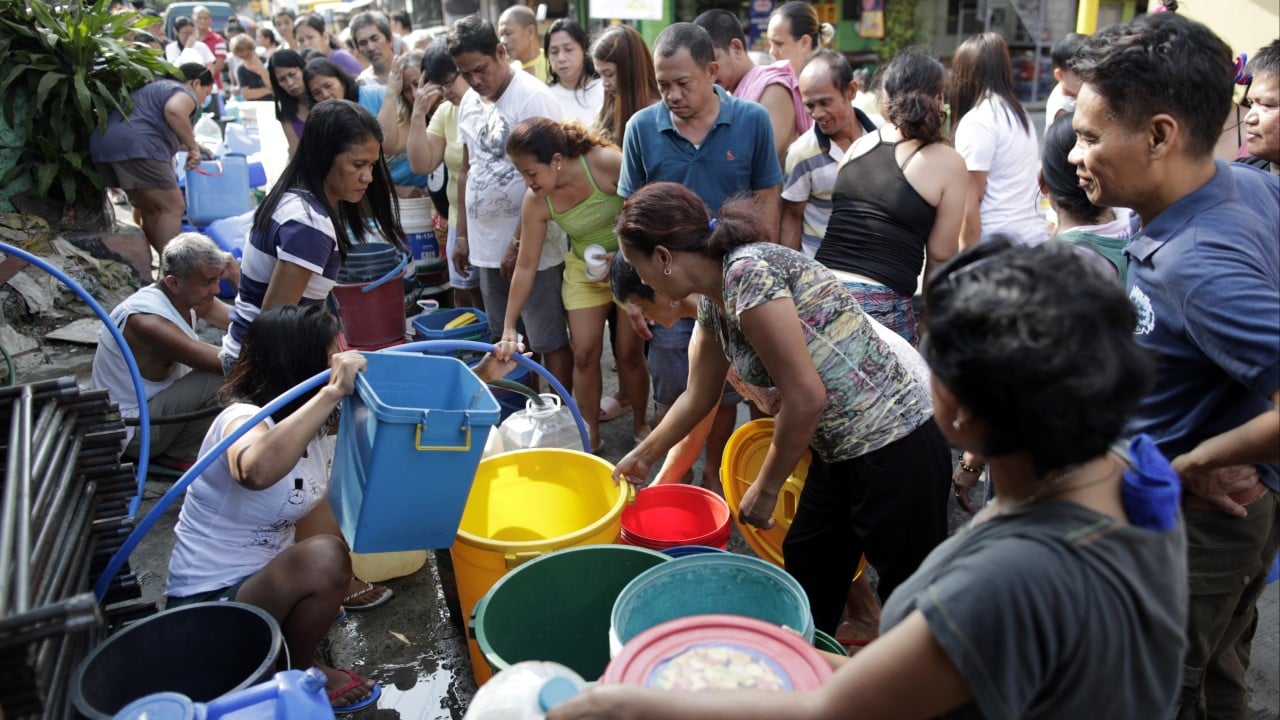
Every single time dry weather hits the Philippines, officials scramble with the exact same playbook. They tell you to store water in buckets, hand out treatment kits at the eleventh hour, and cross their fingers for rain. Critics are screaming that water-planning has run dry, and honestly, they're right.
When a nation faces another punishing stretch of climate extremes, telling families to stock up on plastic pails isn't crisis management. It's an admission of long-term failure. Meanwhile, you can explore similar stories here: Why The Katie Zacharia White House Pr Mess Exposes A Much Bigger Problem.
The Perpetual Loop of Panic and Response
Weather bureaus have warned that a severe El Nino phase is intensifying across the country, driving down rainfall and scorching agricultural regions from Luzon down to Mindanao. Reservoirs drop, irrigation cuts hit farmers hard, and urban centers brace for taps to run warm and weak.
Yet, year after year, Manila's response looks remarkably unprepared. Instead of investing heavily in modern infrastructure, leak-proof piping networks, and decentralized rainwater harvesting systems, agencies rely on reactive band-aids. When an official suggests using household buckets while major dams sit plagued by decades of neglect, public frustration boils over. You can't bucket-brigade your way out of a structural water crisis. To explore the bigger picture, we recommend the detailed analysis by Reuters.
Where the Real Breakdown Happens
The root of the problem isn't a lack of rain during dry cycles. It's chronic underinvestment in water resource management.
- Leaking Infrastructure: Major distribution networks lose vast percentages of treated water to leaks before it ever reaches a kitchen sink.
- Agricultural Vulnerability: Farmers face sudden irrigation cuts from reservoirs like Angat because irrigation systems haven't been upgraded to handle shifting seasonal shocks.
- Short-Term Politics: Long-term water security projects require multi-decade funding and political willpower that often gets sidelined for quick fixes.
Critics point out that telling citizens not to panic while failing to provide reliable infrastructure is insulting. Water security demands heavy lifting, engineering upgrades, and strict accountability from local water districts.
Moving Beyond the Bucket Strategy
If the Philippines wants to stop reacting to every climate shock with panic, the strategy has to shift entirely. Building resilient water systems means fixing pipe networks, constructing new impounding reservoirs, and helping farmers transition to drought-resistant crops before the dry spell hits, not after fields start cracking.
Until officials trade temporary advisory press conferences for hard infrastructure spending, every upcoming dry season will bring the exact same chorus of complaints. The water isn't running dry because of the clouds. It's running dry because of bad planning.