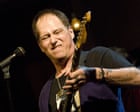
Stepping into the skin of a theatrical titan is never easy, but trying to capture the roaring, larger-than-life essence of Peter O'Toole is a whole different beast. Rob Brydon recently opened up about the grueling mental and vocal challenge of channeling the legendary Lawrence of Arabia star. When you're known primarily for light-footed comedy, quick wit, and self-effacing charm, embodying a hellraising icon of 20th-century cinema requires a massive shift in gear.
Most people assume professional impressions are just about nailing a vocal inflection or a recognizable cadence. They aren't. Capturing someone like O'Toole means wrestling with a distinct kind of theatrical gravity. O'Toole wasn't just an actor; he was a force of nature fueled by immense presence, Shakespearean weight, and a famously turbulent off-screen persona. Brydon had to find a way to honor that magnitude without sliding into cheap caricature.
The Weight of Iconic Legacy
Why is capturing a figure like O'Toole so fiercely difficult? Legends from that golden era of British and Irish acting occupied a space in the public consciousness that feels almost mythical now. They lived large, spoke with immaculate theatrical diction, and carried an unpredictable edge.
When actors attempt to portray these cultural titans, the trap is always imitation over truth. Brydon’s main struggle wasn't just sounding like O'Toole on a technical level. It was maintaining that specific, aristocratic yet dangerous cadence across long stretches of dialogue without losing the human core underneath.
Beyond the Mimicry
We've all seen comedy sketches where an impressionist leans heavily on a few vocal quirks. That approach works for a quick laugh on a panel show, but it collapses entirely when you're trying to sustain a dramatic narrative. O'Toole's speech patterns shifted constantly depending on whether he was holding court in a Dublin pub or commanding a film set.
Brydon had to strip away his own natural warmth. He had to locate the restlessness and the sharp, sometimes intimidating intellect that defined O'Toole's career. It’s an exhausting psychological exercise. You spend hours listening to archival footage, tracking breath rhythms, and trying to understand why a man spoke with such rhythmic defiance.
What Actors Know About Channelling Giants
If you talk to anyone who has tried to play a real historical icon, they'll tell you about the constant fear of exposure. The audience knows the original work intimately. They know the cadence of Becket or The Lion in Winter. One false note snaps the illusion entirely.
- Focus on the internal drive, not just the vocal tricks.
- Accept that you will feel like an imposter during the process.
- Trust the rhythm of the writing to carry the performance when the impression threatens to overwhelm the scene.
Stepping away from your own comedic comfort zone to inhabit someone as monumental as O'Toole takes guts. Brydon navigated that tightrope by respecting the sheer scale of the man's talent while acknowledging how terrifying it is to walk in those oversized theatrical boots.
Take a look back at O'Toole's classic interviews or listen closely to how historical audio dramas layer performance with genuine historical texture. If you want to understand the true craft behind vocal transformation, start by studying the pauses between the words, not just the words themselves.