Playing a hometown gig sounds easy on paper. Friendly faces. Familiar streets. Zero hotel bills.
Honestly, it's often the exact opposite. When James Dean Bradfield and Manic Street Preachers step onto a stage in Wales, the stakes shift in ways a casual fan walking past a merch stand might never notice. You aren't just entertaining an audience anymore. You're answering to people who watched you grow up, people who know every lyric from the early Blackwood rehearsal days, and people who carry their own expectations into the room before the first chord rings out.
I've watched plenty of bands walk into homecoming shows expecting a victory lap and walking off looking slightly shell-shocked. Playing at home strips away the safety net of anonymity. In a random city far from your postcode, an off night is just a show that didn't quite catch fire. Back in Wales, every note feels personal, heavy, and scrutinized.
Why Playing in Wales Changes the Room for Manic Street Preachers
A lot of bands talk about "homecoming energy" like it's pure rocket fuel. Sometimes it is. Other times it feels like standing under a spotlight while your neighbors hold scorecards.
For Manic Street Preachers, Welsh shows carry a distinct weight because the band's identity has always been tied to South Wales history, industrial memory, political grit, and regional pride. When you build a catalog around where you're from, you don't get to treat a Welsh crowd like just another stop on the routing sheet. The room already has history with you. Friends, extended family, old acquaintances, local press, and lifelong devotees are all mixed together in the dark.
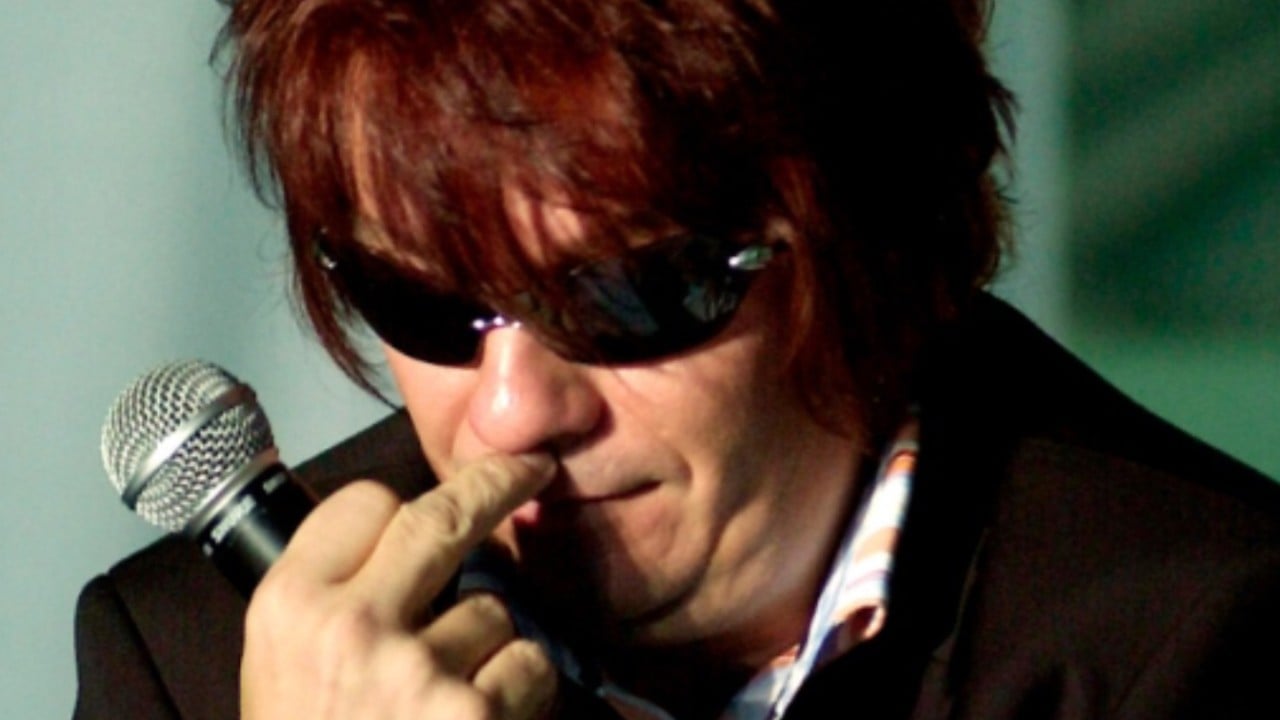
Think about what that does to a frontman's headspace. James Dean Bradfield isn't just singing and playing guitar. He's fronting a group whose songs have soundtracked decades of Welsh life, grief, defiance, and celebration. If your voice cracks on a quiet chorus or a transition feels slightly loose, you don't just hear it through the monitors. You feel like you let down folks who have been riding with the band since the nineties.
Casual fans sometimes assume playing close to home is low-stress because the travel is short and the support system is right there. That's a classic mistake. Short drives don't erase emotional gravity. If anything, sleeping in your own bed before a big hometown show can make the build-up feel quieter, longer, and more intense.
The Hidden Pressure Behind Hometown Shows
Most people think stage fright is about forgetting words or messing up a solo. Experienced performers know the deeper tension usually comes from identity and expectation.
When you play somewhere new, you have room to reinvent yourself or keep things brisk and transactional. You arrive, you play ninety minutes or two hours, you take the applause, and you move on. At home, the relationship isn't transactional. It's ongoing. You might bump into someone from the crowd at a café the next morning. That changes how exposed a set feels.
There's also a weird paradox with pride. A Welsh crowd wants the band to be great, fiercely great, because their success reflects back on the local music scene and culture. That support is genuine and loud. Yet loving something deeply also makes people sensitive to anything that feels phoned-in or routine. Bands can't coast on nostalgia alone when everyone in the building knows every trick in the book.
I've seen artists over-prepare for hometown dates until the performance loses its loose edge, and I've seen others under-estimate the emotional drag until halfway through the set. Striking the balance between sharp execution and genuine warmth is harder when you care too much about the outcome.
What Makes Welsh Gigs Different From Other Tour Stops
On a standard tour run, cities blur together fast. Soundcheck in one town, venue catering in another, another stage door, another bus call. Even great nights start blending into a montage after three weeks on the road.
Welsh shows break that rhythm. The context is sharper. Whether it's an intimate theater, a festival slot, or a major arena or stadium-scale occasion, the crowd brings a specific vocal culture and regional identity into the venue. People sing louder when they feel ownership over the song. They listen closer when the lyrics touch home.
At the same time, high expectations cut both ways:
- Crowd warmth can lift a set into unforgettable territory when the band locks in early.
- Personal stakes can tighten shoulders and shorten tempers if soundchecks run late or nerves creep in.
- Familiar faces in the audience can turn a routine setlist moment into an emotional detour.
- Comparing a current performance to past iconic nights creates a bar that isn't always fair to clear.
That comparison trap is real. Fans carry memories of past shows like prized photographs. A frontman standing on stage today has to sing songs written years ago while still being present in the moment right now. That tension is part of what gives live music its pulse, even when it makes the night feel heavier.
Common Misconceptions About Frontmen and Home Turf
People outside the music industry often picture rock frontmen as impervious to nerves. Years of touring do build calluses, sure. You learn how to manage adrenaline, pace your voice, and push through rough rooms.
Calluses aren't armor, though. Being seasoned doesn't mean you stop caring. In fact, caring more is often what makes pressure sharper later in a career. When you've spent decades building a reputation, you have more history to honor and more standards you've set for yourself.
Another common myth is that hometown shows are strictly celebratory. Plenty of them are joyous, cathartic nights that neither band nor crowd forgets. Still, nerves and celebration can sit right next to each other in the same dressing room. You can feel grateful to see familiar faces and still feel a knot in your stomach ten minutes before curtain up.
If you're planning to catch Manic Street Preachers live—especially in Wales—keep a few practical details in mind so you get the most out of the night:
- Check official ticketing and venue policies early so you aren't scrambling last minute or risking invalid passes.
- Arrive early enough to settle in and catch opening acts rather than rushing in right as the lights drop.
- Pace yourself if you're drinking so the second half of the set stays crisp and memorable.
- Listen closely to how arrangements shift live compared to studio recordings, since bands often tweak dynamics for big rooms.
Home turf never stops mattering when a band's story began there. For a frontman like Bradfield, stepping onto a Welsh stage isn't just another date on the calendar—it's a mirror held up to everything the band has built and everyone watching it unfold.